

Podcast
From Divorce Threat to Deeper Connection: A Husband’s Wake-Up Call With Brian Price
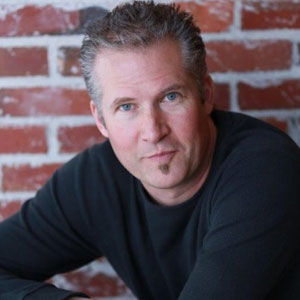
Brian M. Price is the Executive Life Coach and Principal at Brian Price Coaching, formerly Ignition Academy Leadership Coaching, where he helps men strengthen their leadership skills, relationships, and marriages. In his role, he leads one-on-one coaching, group programs, and workshops centered on ownership, vulnerability, communication, and accountability. As the creator of the Extraordinary Husband Framework, Brian draws on his own journey of overcoming marital challenges and more than 20 years in finance and strategy, empowering men to become more present, responsible, and connected partners.



Here’s a glimpse of what you’ll learn:
[2:47] Brian Price shares how he recognized his marriage was nearing a breaking point
[6:09] What loneliness and emotional disconnection look like inside a marriage
[10:08] Does being a provider automatically make someone a good partner?
[13:32] Brian’s experience as a stay-at-home dad and the strain of reversed traditional family roles
[17:54] How vulnerability can shift from perceived weakness to personal strength
[25:32] The physical warning signs of unresolved stress, including panic attacks and passing out
[31:10] What changes when winning arguments stops being the goal?
[39:11] How to fight for your spouse instead of fighting with them
[42:33] Brian’s insights on self-leadership, ownership, and becoming a more present partner
[45:04] Where lasting change begins: choice, awareness, and personal accountability
[53:04] Coaching, Brian’s upcoming book, and a mission to help thousands of men strengthen their marriages
About the episode
Success at work can sometimes hide a growing distance at home. When responsibility, vulnerability, and meaningful conversation give way to control or emotional absence, even committed couples can begin living like strangers. What changes when a spouse stops trying to win and starts taking ownership?
The answer begins with choosing presence over performance. Brian Price, a relationship coach, speaker, and author, explains that rebuilding connection requires honest self-examination, emotional openness, and responsibility for how you show up. Instead of fixing every problem, he illustrates the value of listening without interrupting, acknowledging your partner’s experience, and practicing small gestures of support consistently. Brian also recommends strengthening your physical, mental, and spiritual well-being while treating your spouse as a confidant and accountability partner. Lasting change comes from leading yourself first and choosing the relationship every day.
In this episode of Defining Moments, Melanie Warner talks with Brian M. Price, Executive Life Coach and Principal at Brian Price Coaching and the creator of the Extraordinary Husband Framework, about why vulnerability and self-leadership can transform a marriage. Brian shares how to replace control with connection, fight for your spouse rather than against them, and take ownership without blame. He also discusses emotional warning signs and the daily practices that rebuild trust.
Resources mentioned in this episode:
Quotable Moments:
“Sometimes the hardest truth a man ever faces is realizing that he became successful everywhere except at home.”
“It's the human-to-human connection that occurs that creates a loving relationship.”
“At the end of the day, it was all about 100% about ownership.”
“When you get really practiced and good at it, you can move mountains.”
“It's choosing her every single day and letting her know it.”
Action Steps:
Practice honest self-assessment: Identifying where you have contributed to disconnection creates the awareness needed for meaningful change.
Listen without trying to fix everything: Giving your partner space to speak helps them feel heard, respected, and emotionally supported.
Choose vulnerability over performance: Sharing what you truly feel can build trust and create deeper connection in the relationship.
Strengthen your physical, mental, and spiritual well-being: Self-care makes it easier to show up with consistency, integrity, and presence.
Choose your partner every day: Small, intentional acts of appreciation and support help sustain love beyond major milestones or promises.
Sponsor for this episode...
This episode is brought to you by Defining Moments Press, Inc.
We are a US-based publishing company helping aspiring authors around the world to write, publish, and promote a nonfiction book to elevate their brands, create a meaningful impact, and generate profit in eight weeks or less.
An example of how we help our clients is with Eric Alikpala. He went from earning $100K per year as a coach in his first quarter to doubling his income in Q2, and increasing his income tenfold by Q3 — growing him into a seven-figure author, speaker, coach, and consultant.
Do you have a message that could become a best-selling book and business asset? Defining Moments Press provides the strategy, structure, and coaching to help you get it done quickly and profitably.
Visit mydefiningmoments.com to schedule a strategy call and turn your expertise into a published book and a powerful platform.
If you want to leverage your expertise with a book, check out the 7-Figure Book MethodTM.
Powered by Rise25 Podcast Production Company
Transcript
Intro: 00:00
What should have been just a cup of coffee and a nice conversation turned into a really big fight, and at the end of that fight turned into I want a divorce. It was awful. And so when she kicked me out of the bedroom, I knew it was all over. And you only have one of two choices in that matter. You can either turn tail and say, yep, I'm acquiescing and that's the end of it, or you can fight for it. And I didn't know what to do. It was two-and-half hours sitting in my bar, having a cup of coffee, wondering what the hell is. What am I going to do? What can I do?
And the first breakthrough in my life came in that moment where I decided, you know, I need to fight for her, and I need to tell her that I want to fight for her. How do I do that?
Melanie Warner: 00:50
Welcome to the Defining Moments podcast, where leaders, innovators, and everyday heroes share the moments that changed everything. These are the stories behind resilience, purpose and legacy. Now let's dive into today's defining moment.
Melanie Warner: 01:06
Most men don't lose their marriage overnight. It happens gradually. It happens slowly through emotional absence, performance avoidance. Until one day they're sitting across from somebody they don't even recognize as a stranger. And sometimes the hardest truth a man ever faces is realizing that he became successful everywhere except at home.
Welcome to Defining Moments, the show where we uncover the moments that change everything. Not the Polish story, not the public version, but the moment somebody finally stops hiding and tells the truth. I'm Melanie Warner, the founder of Defining Moments Press and the Defining Moments TV show and podcast. And this is where we chat with authors, experts, corporate leaders, high level coaches, and people who are turning their expertise into best selling books, premium brands, and powerful media platforms. This episode is brought to you by Defining Moments Press.
We are a US based publishing company. We help aspiring authors around the world to write, publish, and promote a nonfiction book to elevate their expertise, their brand, and create a meaningful impact and create profit in eight weeks or less. So today's guest is Brian M. Price. Welcome to the show. Thank you for being here.
Brian Price: 02:23
Thanks for having me.
Melanie Warner: 02:24
So Brian is a speaker, coach, author and creator of the Extraordinary Husband Framework. But Brian's work didn't come from theory. It actually came from sitting across the dinner table from his wife, Dottie, realizing that she was already halfway out the door. And for the first time in his life, he stopped performing. Right?
Brian Price: 02:46
Oh, God. Yes.
Melanie Warner: 02:47
So Brian, take me back to that dinner table, that conversation back. I think it was 2013. You mentioned. Tell us about, you know, what did you see in your wife's face that made you realize something was very, very wrong.
Brian Price: 02:59
Yeah. Boy, back in 2013, we. So, I mean, when I look at that time, it's so clear and yet a blur because she was clearly not happy in the relationship. I'm very intuitive and I could sense that there's something really wrong here. And how are we going to fix this?
And it was really a friend of mine who I met over a business conversation, who looked at me and said, Bri, you're a mess. Your relationships are in trouble. And if you don't do something about it immediately, you're going to lose your marriage and probably other things. And she was just very matter of fact. And what I thought was going to be a business conversation about a venture I was looking to get into because I was done being a stay at home dad.
Turned into, hey, I want to recruit you to do this thing called Landmark. I'm like, well, what the hell is that? Oh, it's this thing you do on a weekend. It's a self-help thing. And so to take you back as to why is to go back to 2006.
Our daughter Jenna had just finished leukemia treatment. She was diagnosed with leukemia in 2004. It changed our lives, changed our world completely. And we were having a cup of coffee over in our bedroom. The kids, the twins, were two and a half.
They were in the living room playing, having a great time. And we felt like, oh my gosh, for once we get to breathe and have a cup of coffee in our bedroom on a fall day, it's beautiful. And what, what should have been just a cup of coffee and a nice conversation turned into a really big fight. And at the end of that fight I want a divorce. It was awful.
And so when we work, when she kicks me out of the bedroom. I knew it was all over. And you only have one of two choices in that matter. You can either turn tail and say, yep, I'm yep, I'm acquiescing and that's the end of it, or you can fight for it. And I didn't know what to do.
It's 2.5 hours sitting in my bar, having a cup of coffee, wondering what the hell is, what am I going to do? What can I do? And the first breakthrough in my life came in that moment where I decided, you know, I need to fight for her, and I need to tell her that I want to fight for her. How do I do that? Well, you just march back up there and tell her.
Melanie Warner: 05:18
Yeah. You mentioned that you could feel it in your chest before you had words for it. What did your body already know that you couldn't articulate in words?
Brian Price: 05:27
My body felt like I had £1,000 on my shoulders. Like I had an elephant in my chest. I had butterflies in my stomach. I didn't know what to say. I didn't know how to show up at that moment.
I was nervous because there was an energy that was starting to envelop my body that said, hey man, listen, if you're going to save this marriage, you've got to show up differently in that bedroom right now, right here, right now. This is your moment. You have one shot. Don't screw it up. And what do you need to really communicate to her?
You can't communicate to her what's happening with you over here. You've got to acknowledge what's happening over there.
Melanie Warner: 06:09
Yeah. You said your wife was lonely, but sitting right next to you. So what does loneliness inside a marriage actually look like?
Brian Price: 06:18
Disconnection. Lack of vulnerability. Conversations are distant, and maybe that's the wrong word. Distant conversations occur, but they're not about the things that are important. When a couple cannot connect through conversation, they do it in other ways.
In our case, the only connection we had were in our disagreements, and it was really, really disempowering for both of us. It just exposed more of the cracks that had already existed in our marriage. But now we had this big trauma in our life with our daughter and her cancer and all the financial stresses, and it just exposed all the things that weren't right and all the things that we both believed were all good in our relationship were not. And so we were extremely disconnected. We couldn't agree on anything.
We couldn't even agree on what to eat together, let alone write the big things. Right.
Melanie Warner: 07:16
And you have so much that you're juggling that it just feels like you're so busy trying to balance everything, and then everything else is a priority. You have kids, you have work, you have all these things going on. Some people have pets, you know, and then the relationship is always the very last thing. At the end of the day, that gets the least amount of attention because you're just so exhausted by the time the day is over, there's nothing left to give somebody else.
Brian Price: 07:38
You are. That's right.
Melanie Warner: 07:40
How many men do you think are out there performing strength instead of actually being emotionally present?
Brian Price: 07:46
Oh well, to give you an actual figure would be difficult. But if I were to give you my intuitive answer, which is based on a lot of research and talking to a lot of men over the last several years, I would say the majority of men are just raised differently than women. Men tend to look at the world through totally different lenses. We tend to be conquerors and and we tend to be the people that want to bring home, you know, like there's a, there's an innate instinct to go and hunt and gather and bring things home to your family, to your wife, to your kids.
Melanie Warner: 08:24
And be rewarded for that and be acknowledged for that.
Brian Price: 08:26
Yes.
Melanie Warner: 08:27
I find that men tend to not to generalize, but men tend to define who they are by what they do for a living, whereas women tend to define who they are by who they're with. That's right. So when there are cracks in the relationship, that's what makes women feel like we failed in the relationship. Yeah. You know, and whereas men tend to feel like they fail if they can't provide for their families.
That's right. Their families.
Brian Price: 08:48
That's right.
Melanie Warner: 08:49
And so I found from my own example, after being divorced and not knowing how to communicate when things went wrong, you know, what's the difference between there's some men who are just saying, well, I'm just being tough versus emotionally unavailable.
Brian Price: 09:06
Oh, that's a great, great segue for so many things to talk about. Toughness is really whether it's really a man or a woman. Like it doesn't it's not related to any particular sex. It's just a human being saying, I'm not letting you through this shell. I have a shield.
I'm not letting you through. I can protect myself from whatever comes my way. So if it's a business setting, I'm protecting myself from being hurt or being overloaded or someone screwing me out of something, right? If it's in a marriage, that same context, that same thing shows up. I'm not going to allow you to judge me, belittle me.
I'm not going to say something that might have you say something to me that will trigger me. So it's better just to be quiet. Wear that shield everywhere and with everything. And so men are really, really good at this. Men are better at this than women.
I think in a lot of ways women tend to be more vulnerable. Men tend not to be. And that lack of vulnerability shows up in ways that literally can destroy marriage.
Melanie Warner: 10:08
Why do you think so many men think that being a provider automatically makes them a good partner?
Brian Price: 10:15
Wow, that's a really great question. Probably because of tradition. I'd say that's a big reason, right? I mean, can you, I mean, think about yourself within your own marriage and your own relationships?
Melanie Warner: 10:28
Yeah. Like traditionally, you know, I was raised where my mom was the nurturer. My dad was the protector and the provider, and they kind of had these roles and they were my mom, you know, was a stay at home mom. And she was always there for us. And like, it was always very, there was like this unwritten contract that they had about the relationship and anything to do with the home.
You know, my mom took care of the home and took care of the kids, and my dad literally just went to work. Yep. And as long as the bills were paid, you know, and he worked, you know, it was like everything was good. Yeah. It seems so simple then.
Brian Price: 11:00
It did. Well, you and I share that in common. My mom was also a stay at home mom until I was, I think, 14 and went back to school, became a school teacher. And so, yeah, it was the same construct in our house. My dad was a school teacher, but he worked 247.
I swear to God, I never saw the man. My dad was also a course master and, and a director and theater. And so he's a school teacher during the day and did all this other stuff at night. And you probably relate to that because a lot of production work, a lot of theatrical work, and being a professional musician and conductor, he was always in demand. So he didn't make a lot of money.
And he's raising four boys. I'm the oldest of four, and you've got my mom there running the show. But when he came home, she would literally acquiesce to him like he was. He was now home. He was now running the house, running the show.
Yeah. And, and so we learned, my brothers and I learned this really odd dynamic. I call it odd because it's something that I've had to deal with in my own marriage, and that is that my dad had it. It's my way or the highway. Like, this is my way of doing things that create a lot of friction in our household.
And so being a good provider doesn't mean that you're necessarily bringing home the paycheck, right? You're like, today we live in a society where, as you know, most of us know people that have dual incomes in their household, right? And I think that's very healthy. And, and yet there's still this idea that somebody needs to be dominant in that relationship, dominant in the providing in the household. And, it creates friction.
And it's not really a partnership at that point. Like partnership is about alignment and agreement.
Melanie Warner: 12:46
Well, there's also this, this line that's more gray now, I think, where you're seeing two income families and households where women are working more, but I also see men contributing a lot more to the domestic side, you know, where men, like you mentioned, you were a stay at home dad. You know, you learned how to help take care of the kids. And I think by being in that role, it can help men appreciate women more.
Brian Price: 13:07
Yeah.
Melanie Warner: 13:07
And, and the role that they play and the unpaid labor that women do. Right? Yeah. And where, you know, I've heard men say, oh, she's just sitting at home all day watching soap operas and eating bonbons. And like, if you want to upset your partner, your wife or your girlfriend, like that's what you say.
Never say that.
Brian Price: 13:25
Yeah.
Melanie Warner: 13:25
Right. Never say calm down. You're crazy. Or you're just sitting around all day eating bonbons and watching.
Brian Price: 13:32
We didn't have those conversations in my household. I'm just saying. Okay. There was none of that. But actually, while you were giving me that comment or and teeing that up.
I was thinking about, you know, becoming a stay at home dad for us was a necessity. I was literally making more money than Dottie. I was in a really cool business venture. I was self-employed, I was traveling the country when Jenna was diagnosed with cancer. Unfortunately, she carried all the insurance for all four of us, so I didn't have health insurance.
So when you're dealt with a really nasty diagnosis like that, it costs a lot of money and you need to have something. So that was ultimately what made us decide for me to be home? She became the provider. She became the breadwinner of the household, and she resented it.
Melanie Warner: 14:19
She resented it, and resent it too.
Brian Price: 14:21
Oh, yeah. Absolutely. Oh, God. Yes. We both found ourselves in a position where we were not living the dream that we had, that we had visioned out.
Like we had a vision of her being the stay at home mom, raising the twins, me being out running this business that I was killing it at. And yet we were forced into this situation.
Melanie Warner: 14:38
And the roles reversed.
Brian Price: 14:39
Roles reversed.
Melanie Warner: 14:40
And then she gets masculine energy and you get feminine energy.
Brian Price: 14:43
Oh, God. Yeah, yeah.
Melanie Warner: 14:44
Actually, that's confusing too.
Brian Price: 14:46
I actually bought a website years ago called Daddy divas.com.
Melanie Warner: 14:51
That doesn't surprise me.
Brian Price: 14:53
I never did anything with it, but man, how fun would that be? And so, so, you know, and I was a super volunteer at our kids school later on. And some of the dads, you know, the doctor dads and lawyer dads and all the big guys, you know, the big business owners that I became friends with and knew I was a stay at home dad, no judgment whatsoever. But I would always tell them, yeah, you're looking at the original daddy diva right here. And they love that, right?
Because it was totally distinguishing.
Melanie Warner: 15:17
My rock runs for their money. Let me just say.
Brian Price: 15:20
But I had to have fun with it. And yet at the same time, there's a lot of stress and anxiety and this underpinning in our home that had daddy resenting the fact that she was not doing the things she wanted to be doing when I was, I was doing the things she wanted.
She was doing what you wanted to do. So you would think that instead of creating resentment, it would create the vision of understanding and having compassion for each other. You know what I mean? But in a weird way, I remember like, I felt similar to my ex-husband because like, I was never able to just be a mom ever.
And I really regret that. Like I had no choice but to because I was a breadwinner, I had to like to make money and support my family. And I love working. So it wasn't like I didn't enjoy it. But it's hard when the things you love take you away from the people you love.
So it can be just as equally challenging when you love what you do. Yeah. And that can cause friction in a relationship because one person's traveling or one person is living their dream. And I find that when somebody is threatened by their own path. Yeah.
You know, like they don't know their own path. They kind of get threatened when you know what you're doing and you have certainty and purpose.
Brian Price: 16:34
Yeah.
Melanie Warner: 16:34
So I think there's just a lot of dynamics going on in this whole thing. And I'm sure, I'm sure you know, their therapists that would have a field day with all of this.
Brian Price: 16:45
Oh no question. And we did a lot of therapy, actually. You know, what's interesting about therapy, in my view, and that's speaking as a coach is that therapy really has a place. And in our case, it really did help us in a lot of ways. But what it did not help us with was making some of the distinctions we're talking about here today.
It helped us with kind of figuring out some of the things that the dynamics. But at the end of the day, I would tell you what it all boiled down to is ownership and owning those feelings. And that was where when you come back to the 2013 question, that's really what that day was all about, which I'd be glad to share with you more. But I mean, at the end of the day, it was all about 100% about ownership.
Melanie Warner: 17:24
And I think most men are raised, not vulnerable. It's weak if you mean, there's no crying in baseball, right? We know that famous quote from A League of Their Own where it was all women. Tom Hanks is the coach. Yep.
Having a women's baseball team. Yeah. They're all emotional, right? And the idea is that men are supposed to be tough. They're not supposed to cry.
So vulnerability equals weakness. So you said when we were talking earlier, that vulnerability felt physically terrifying. Oh, why why was that?
Brian Price: 17:54
Yeah. Well, to your point, and I state this, if I can share, I state this in my upcoming book. That vulnerability for most men is a form of weakness, which you put perfectly. It's also because it's a form of weakness. It's a it's a chink in their armor.
Right. And if we all know one thing, it's that you have a chink in your armor. That's a place where if someone's going to attack you, they're going to attack that, right? They're gonna attack that hole in your armor.
Melanie Warner: 18:25
If you show your enemy your weakness, they're going to attack you.
Brian Price: 18:27
And there it is.
Melanie Warner: 18:28
Is, their, you know, their weakness, you know, their vulnerability.
Brian Price: 18:31
Yes.
Melanie Warner: 18:32
Right. And in business, you have to be that way. But in your personal life, you have to have that trust enough with your partner where they're not going to exploit the weakness. That's right. And I think that most people keep that shield up for protection.
Brian Price: 18:44
They do well, and they look to answer your question even deeper, in a deeper way. I firmly believe that a lot of successful men, especially successful men that are having troubles at home, are attempting to take those same principles that made them successful in their business or their occupation or their boardroom. And they're bringing those home and they're thinking those same things that made them successful. They are going to make them successful at home. But that, in fact, is the reverse is true, right?
They have to be something different at home and they don't want to be. They want to just be that because they control their environment, their world. They're successful. They're creating wins every single day. And they come home and they're not creating those things.
And, and so what is that really all about? Well, in the boardroom or in your business, you're strategizing and you're governing and you're leading at a high, high level, right? You're conquering things. When you're at home, you have to be vulnerable and you have to lead from the heart. And you have to be willing to take that armor off.
And there's the disconnect or part of it anyway. So what is a man to do in that situation? Well, it comes right down to really owning that there's a lack of authenticity happening there.
Melanie Warner: 20:01
Why do you think so many high performing men, what do you think they misunderstand the most about love? Like you just said, they're, you know, they're crushing it at work. They're successful. I see so many amazing men getting stuck with the craziest women. You know what I mean?
Yeah. I don't know what it is. Like, they're succeeding at work within their personal life. They just don't know how to, they don't know how to, you know, to translate that into a personal relationship.
Brian Price: 20:28
Yeah. Well, I think what they miss about love is that, well, first of all, it means something different to everybody, honestly. Especially men. Some men think love is really having sex. Some men think love is taking flowers to your lovely wife every night, or your significant other, or every once in a while taking them out to dinner.
But at the end of the day, all those might acknowledge your love for somebody or your love for being with them. But none of that matters. It's the human to human connection that occurs that creates a loving relationship. This was the hardest thing that Dottie and I had to learn. And we're still learning it, man.
I mean, we're 30. We've been married 31 years this August.
Melanie Warner: 21:09
Congratulations. Thank you. That's awesome.
Brian Price: 21:11
And we've known each other for over 35 years. And we're still learning every single day how to create that connection. And so here's a little thing that I and I share in my framework as a practice. Dottie took off to Bellevue, Washington. We live in Spokane, Washington, and she was there for a meeting with the C-suite this last week. I had to give this big presentation to the CEO, and she's it's just overnight.
She was stressed about the whole thing. So two practices that I put into play to show her how much I love her. One, when she's sharing something really deep and something really vulnerable. Shut my mouth, be quiet. Let the ear balls do the work.
Not the, not the big, the big mouth.
Melanie Warner: 21:55
Right ear.
Brian Price: 21:56
Balls. And then number two, acknowledge her in some meaningful way that doesn't take away from her feelings or from what she's up to. So here's how I practice that. I slipped a little. Like I took a big sticky note and wrote it on there.
I love you and I believe in you and you're going to crush it. Love B and stuffed it in her suitcase. Why was it so secretive? It wasn't secretive. It was just that I knew that when she got to her hotel and she unpacked that bag, that was the very first thing she was going to see.
And I wanted her to know that I was connecting with her, that I was sharing an acknowledgement with her that she was that important to me at that moment in my life to communicate that to her. And I didn't have to do it in person. I didn't have to do it on the phone. And I got a text from her a couple hours later with a big heart emoji and, and just touched. Right.
And it turns out the next day when she did the or did not podcast, excuse me, the big presentation, she crushed it. And I knew she would. Right. But she was in her stuff. I didn't try to fix anything.
I was really all about acknowledging where she was at, letting her get it off her chest and then acknowledging her a second time with a gesture and connecting with her that way. And she told me that she was thinking about that note and she was doing a presentation, which was really great because that tells me that she was taking the focus off the nerves and the self-doubt and feeling supported. And that's love.
Melanie Warner: 23:19
My parents have been together. They've been married 64 years.
Brian Price: 23:22
Oh my gosh.
Melanie Warner: 23:23
Wow. My mom loves to travel, my dad hates to travel. And yet it works for them. And so their little thing is, every time she goes out of town, he will pick her up at the airport and bring her flowers. And it's just understood.
Yeah. And it's just his way of saying, I'm going to support you and I don't want you to change who you are if that's what makes you happy. Yeah. And they and, you know, they didn't take a trip together for over 50 years since their honeymoon.
Brian Price: 23:47
Oh, really?
Melanie Warner: 23:48
And yet they. And it works for their marriage. Okay. So I think Tony Robbins often says when you change the word expectation to appreciation, it changes the whole dynamic of the relationship. When you just appreciate your partner, you know, think about it, how boring would it be to be with somebody who just agrees with everything?
Doesn't challenge you. You're never going to grow. And anything that's not growing is dying. Right. Anything living that's not growing is dying.
Yep. Including the relationship. So it's more like a little plant that you kind of have to water every day. Right.
Brian Price: 24:21
Oh, perfect analogy.
Melanie Warner: 24:23
And you just can't, you know, if you go out of town, you have to make sure the plants are watered. That's right. They're going to come back and they're all dead like your pets, you know.
Brian Price: 24:30
Right. That's right. Absolutely perfect analogy. And you know, so answer your like succinctly answer your question about, you know, men expressing their love to their, their significant other. It really just comes down to watering the plant every single day and doing it in a way where it's wholesome and it ensures that it doesn't have to be much.
Melanie Warner: 24:53
And it doesn't feel like an obligation. No. You know what I mean? Like, it's just, it's a part of making something beautiful and keeping it alive.
Brian Price: 25:00
Yeah. Here's something I tell my kids all the time. My kids are 22. Jenna just graduated, as you know, graduated from the University of Idaho. Yeah.
Go, vandals. And yesterday. And so tell you, one of the things that I keep impressing upon her and her brother Zach, is that when you're doing something you absolutely love or you're living with somebody you absolutely love. You're so excited. You can't get, you can't get to sleep and you can't wait to get up in the morning.
That's, in my view, the true definition of loving someone else.
Melanie Warner: 25:32
That's true. Now, you said that your body was screaming. Yeah, right. Long before the marriage. Yeah.
Panic attacks. Oh. Passing out behind the wheel. How long were you going to ignore the warning signs? Did you really think that you could just keep going and just keep ignoring it and avoiding it?
Brian Price: 25:51
I did, yeah. That's the armor piece, right? I mean, I couldn't own that I was in trouble. That was back in the day when I was in the health and safety industry. I was a consultant for a company out of Seattle.
We had a branch in Spokane. I was crushing it. I was doing really, really well. I loved what I was doing too, by the way. But we were in the middle of a house remodel.
We didn't have kids yet. We were married only a few years, but had been living together at that point for under a decade. But clearly we were really busy people. And yeah, I remember driving to a client's location up on the north side of Spokane. And fortunately for me, it was just a two lane road, not well traveled.
And I passed out the wheel, found myself waking up. It wasn't out for very long, but for whatever reason, my foot had slipped onto the brake and stopped the car into the grass, on the median, on the median. But the shoulder and. And so that you'd think would be a wake up call. Melanie.
But no, no, no tough guy over here decided. No, no, just ignore it. Sweep it under the rug. I went home and told Dottie I had a little incident, but not a big deal. No accident.
Thank God nobody died. But about three weeks later, we were remodeling, working on remodeling, and my brother came down from Calgary to help me with a big thing. I took the week off, and by the second last day I developed this massive migraine. I couldn't shake it. By the last day before he flew out, it was so bad it laid me out on the couch.
And that night we were supposed to go out for a really lovely dinner. And we did. We went to the restaurant. Even though I was late all day, I had this nasty migraine that popped Excedrin like this tomorrow. And we got to the restaurant and my heart started palpitating.
Have you ever had that? A panic attack where your heart is racing to the point where you feel like it's going to beat out of your chest? That's me. That was me at the moment. And I literally thought I was having a heart attack.
Wow. And Dottie took me to the ER. She wanted to call 911. She got the restaurant involved. This is a four star restaurant.
Five star restaurant, whatever. A really nice place. And I said, I'm like, no, no, no fuss, no muss, man, I don't like. That's part of not wanting to be vulnerable. I don't want anyone to deal with me or deal with my stuff.
I'll deal with it on my own. And that's part of that tough guy thing, right? The armor is coming out. She took me to the hospital and five hours later the doctor came back and said, man, you just had one hell of a high powered panic attack. They tested me for everything.
And he said, man, you need to relax. You need to get your stuff in order and you need to relax. Tell me what you do for a living. I told them that's a high stress job. I mean, lots of stress.
And he said, man, I recommend you take a vacation. I said, man, I, I was, I was just on vacation. He said, well, man, you're screwed then. I don't know what to tell you, but that manifested from not just the stress from work. We all have stressful jobs.
Look at you. I mean, you're amazing. You're doing so many amazing things with so many people and have so many projects all working simultaneously. But at the end of the day, if we don't deal with our stuff, meaning we're not owning our stuff, then that's when bad things happen. That's when they manifest into physical stuff.
Right?
Melanie Warner: 28:56
What I found, Brian, like you can't outrun the pain.
Brian Price: 28:58
No.
Melanie Warner: 28:59
And most people, they run towards pleasure thinking they're going to avoid pain. And then they get there and they just find more pain.
Brian Price: 29:05
That's right.
Melanie Warner: 29:06
You know, and it shows up in the people closest to us. Do you think there's some men that would rather physically break down than emotionally open up?
Brian Price: 29:18
Oh, for sure. I would attribute a lot of divorces. Because of that, the fear overtakes. Overtakes the man or overtakes that human and literally is fear in play. I would rather not like, really get vulnerable and deeply share my stuff with my spouse and or own my stuff and be responsible for my stuff.
And yeah, go ahead, walk away, do your thing. I'll just support you. And I found, I mean, I know as you do too, I'm sure I know a lot of people personally, friends, family that have divorced, some under shitty circumstances, some really did fight for their marriages and couldn't save it because the two just couldn't align. Some were because of infidelity, some were because of other reasons that we don't need to get into here. But most of those are because you have two people that aren't aligned.
And how can you create alignment when one of them is so close to creating that? Yeah, that's, that's where that vulnerability piece starts, right? So yeah, I think I think a lot of men would rather walk away from a marriage. I think that's part of why you see the divorce rates so high. And I'm not just saying men, by the way, there are plenty of the ladies out there that would also like to walk away, but for different reasons, perhaps where they've just given up.
In fact, there's a statistic. I remember sharing this with you when I saw you back in February, that 69% of divorces in this country are initiated by women.
Melanie Warner: 30:45
Wow.
Brian Price: 30:45
And, when we, when we get into the younger generation, more successful women, it's 90%.
Melanie Warner: 30:53
Wow.
Brian Price: 30:54
There was a Stanford study that put that number out. And when I saw that, it blew my mind. And one of the two top reasons was one, lack of communication. And two, their partner was not willing to work on themselves, do their own deep work.
Melanie Warner: 31:10
What changed in your own relationship when you stopped trying to be right in your marriage?
Brian Price: 31:21
Well, first of all, it created space. It took away the competition. Like I'm sure you did sports when you were younger, right? Yeah. In fact, you were an athlete, if I remember right.
You know, when you're in that setting, it's all about winning, right? Yeah.
Melanie Warner: 31:41
That's it. I'm still so competitive.
Brian Price: 31:43
I know you are. Yeah. It feels good to win, doesn't it?
Melanie Warner: 31:48
No, I don't like to lose. Nobody likes to lose.
Brian Price: 31:50
Nobody likes it.
Melanie Warner: 31:51
Especially when you're having fun and it's just a game. And you're like, I'm gonna win.
Brian Price: 31:54
Yeah. Right. Yeah. Right. So I mean, look, that was the sort that was the same sort of context we'd bring into our marriage.
I'm winning it no matter what. No shit. No kidding. I'm gonna win this conversation. Which actually was in a conversation that's not even being truthful.
It was an argument or a fight. And that's what happened in 2006. Neither one of us was willing to give in. And. And then all the work that we did up to that 2013 moment with a lot of counseling, a lot of, you know, going to church and prayer and working with our pastor and all the things that you do.
But all it did was blunt the fact that neither one of us, especially Brian Price, was not willing to own that I was not being responsible for what was happening over here. How I was showing up was very adversarial. And that's the problem with wanting to win all the time in that environment. It becomes so adversarial that there is no space for a relationship, there's no space for connection, which erodes trust, it erodes safety, it erodes not only connection, but erodes love and heart. It becomes almost an avoidance.
And that's one of the things I noticed with Dottie. She would literally avoid having conversations with me about anything important. Yes, she'd share some of the stuff that was happening at work with, with, with me, but then I would go into wanting to fix it like, oh yeah, bring me your stuff. This is juicy. I can fix it because I can really fix anything.
I'm a handyman, right? I can fix anything in a relationship, which was such BS and really it just destroyed the relationship. Wow. Yeah.
Melanie Warner: 33:28
And so yeah, because sometimes people just want to be heard.
Brian Price: 33:31
Yeah.
Melanie Warner: 33:32
And, you know, and it's not something that you can fix. I mean, that's the beauty of people that I think want to control that relationship.
Brian Price: 33:42
And that's the, that's exactly the right word to choose. It's control.
Melanie Warner: 33:48
And you mentioned that you also on that day, you had kind of a defining moment, an epiphany. What was that?
Brian Price: 33:56
Yeah, yeah, that vulnerability was power. And I, I say that to all those men that are listening to this podcast, I'm telling you, and I'll tell you straight to your face when you learn to practice that and you really then come to understand that you're you're it's not a weakness. It's a superpower. And it's a practice.
It's something that when practiced, you get really good at. And when you get really good at it, like anything like an athlete, like a politician, like a business owner, like a judge, a lawyer, you know, a CEO, whatever you're doing in your life, when you get really practiced and good at it, you can move mountains. And that's what I learned. And so, and I learned that because of this friend of mine that said, hey, bro, your life is a mess. You need to go to this Landmark thing.
I'm like, oh my God, no, I'm not going. And I went, can I share this part with you? Sure. Oh, I'd love to. And so we're sitting, I'm so I'm there, like literally she's having this conversation with me two weeks later, not even two weeks later, the Landmark forums in Spokane of all places.
And the fellow leading it was Gary John Bishop. Gary John Bishop is just a wonderful author, and he also was an incredible form leader. And I didn't know who he was at the time, but he's Scottish. And so as soon as he said that, I'm thinking, well, because my dad was Scottish, I'm like, oh, instant connection.
But I'm sitting in the back of the room. I'm going to hide myself. I'm not participating. There's 100 people there. If I just bury myself, I will survive this whole weekend.
And by day two, he got into all this is all ontological work. And he got into vulnerability, I think, oh no, not doing it. And he made us do an assignment. And of course I say he made you like it, it's voluntary stuff. But if you don't do the assignments, really you're fooling yourself.
And something inside of me, Melanie can compelled me to do the assignments even though I wasn't participating in the class. And so I did the daytime assignment, which we don't have time to get into now. But let's just say it, it, it, it sort of teed me up for that night. And, it was owning my stuff with a couple family members very deeply and two individual phone calls, learning to be responsible for my part in the relationship and how it had gone. And we weren't even particularly on the outs either.
I mean, it was just a anyway, so we got back to the class that afternoon and he started going deeper into this whole vulnerability thing. And I'm sitting there going, oh my God, please just stop. Stop talking. Stop telling us about vulnerability. I'm not doing any more of this.
This is bullshit. I'm sorry. I don't mean to say that on your podcast, but I'm not doing it. I'm not doing any more of this. This doesn't work, you know?
Yeah. And then he gives us the assignment that changed my, my, my life. We would like you guys to go home to your significant other in your home. Or if you don't have a significant other, somebody else is really important to you in your life. And I want you to have a conversation with them about all the things that you can own in that relationship.
I'm like, my own. What does he mean by own? And so he got into that. I want you to be responsible for the things that have created some, some disconnect or created some friction, or for things that you might have done to that person or said to that person, or not done for that person, that created some sort of weirdness in your relationship or something, something like he went into a whole litany of explanation, like over 30 or 40 minutes and then go, so it was a different time assignment, and we were all to show up after that, like 9:00 at night to share. And, you know, if you've been to these intensives, you know what they're like.
And so I went home and I'm driving all the way home and I'm thinking, nope, not going to do anything. No, I'm not doing it, not doing it. I'm convincing myself not to do it because I'm a tough guy. That's like, I'm not going to be weak in front of my wife. And then I got home and I sat down at the dinner table.
She actually made dinner. She doesn't cook in our house. I did all the cooking and she made dinner. I'm like, okay, this is kind of cool. And then I asked her, hey, just like it came out of my mouth, honey, I have something I want to share with you.
It's my dinner time assignment, but I think you need to sit down so we can. I can share a few things with you. I didn't have anything written down, nothing rehearsed. And before I knew it, I was in tears. And I do not cry.
I was sharing with her all the things that I could see that I was responsible for in the relationship and more. And I had a complete melt, not meltdown breakdown, but it was a good breakdown. And Melanie, you know, having coached people for years and being a mom and a business owner, a very successful one at that, you've got to have the breakdowns to have the breakthroughs.
Melanie Warner: 38:31
Yeah. So how did you respond when she saw you being vulnerable? She and owning your own stuff.
Brian Price: 38:39
It rocked her world. She'd never seen me like that before. She'd never heard me share the things that I shared. She had never experienced me in that tone, in that level of heart, that level of it wasn't self-deprecation. It was really more just fully taking ownership like extreme ownership.
And she sat down with me, rubbed my back, and she said, oh my God, you're just the nicest asshole I've ever known.
Melanie Warner: 39:08
I love it.
Brian Price: 39:09
She's such an amazing woman.
Melanie Warner: 39:11
Well, and the thing is, too, I think you mentioned to me something I heard you say that made me tear up because you mentioned how so many men fight with their wives instead of for their wives. Yeah. And so you also discovered that and started doing that every day. What does that look like for people? What does it look like to fight for somebody instead of with them?
Brian Price: 39:32
Yeah, I think it's a combination. A lot of things we've talked about here today. First, be willing to be responsible for 50% of the sorry, you own 50. Actually, let me rephrase this because this was a really important distinction and I'm not getting it right. Be responsible for 50% of the relationship but own 100% of it.
Melanie Warner: 39:53
Yeah.
Brian Price: 39:54
Right. That's the way I want to phrase it. And I put that right there.
Melanie Warner: 39:58
And look, remember, the audience is here. We're having our whole conversation over here.
Brian Price: 40:02
Yeah. And what does that really look like in practice? Well, first, it looks like every day is slowing things down. I call it the three-legged stool. For a man, it's about.
And women too. By the way, I'm not dismissing women, but since we're talking in the context of men, let's stay there. The three-legged stool is owning your spirituality, your mental state, which Tony Robbins speaks about ad nauseam. And I love his version of that. And then your physical state, owning those three pieces or the three-legged stool, and then from there, taking on your own relationship, the relationship you have with yourself is what I mean about the 100%.
You can only be responsible for you, Melanie. You can only be responsible. Brian Price can only be responsible for him. I can't come to you and say, I need you to be responsible for my stuff. That's not how it works.
But that's how a lot of men do it. I want mommy to be responsible for my stuff. Yeah. And that translates into a marriage sometimes.
Melanie Warner: 41:03
Yeah. That's true.
Brian Price: 41:04
Right. So, so in practice, it's, it's, it's getting your spiritual, mental, physical stuff handled. It's then taking on daily practices, weekly practices and monthly annual practices with your significant other, your wife that acknowledge her, show her how much you love her, love her, that you'd be willing to do whatever it took to, to, to be her spouse, that she's so important to you, that you choose her every single day. It's not just choosing her at the, you know, at the wedding vows or when it's convenient or when she's said something nice about you. It's choosing her every single day and letting her know it.
And I'll tell you how I put that into practice in 2006. This was the big breakthrough I had when she wanted to divorce me the first time. It was me going up to that bedroom and telling her, honey, I love you way too much to sign those divorce papers. I will never sign those papers. And I'm going to fight for our marriage because that's what's really important right now.
Those two little ones that are two and a half years old and after what we just went through, deserve to have their parents intact and we need to do our work, and I'm willing to lead that. And so that fighting for her mantra came from that. But as it's evolved over my many years of all my personal development work, it's now evolved into a relationship with myself. And then the whole thesis behind my book really is self leadership is leading yourself first, right?
Melanie Warner: 42:33
What surprised you most about what your wife actually needed from you?
Brian Price: 42:40
Oh man, you hit me over the head on that one. Yeah. What surprised me most? It's probably gonna be different than what I put on your notes for you earlier, but I'm going to just throw it out there. She needed her husband's present.
She needed her.
Melanie Warner: 42:58
Partner version of you.
Brian Price: 43:00
Yeah.
Melanie Warner: 43:00
Not the public version of what you thought you're supposed to be.
Brian Price: 43:05
That's right.
Melanie Warner: 43:06
That's where the vulnerability is. Because it is aligned with authenticity.
Brian Price: 43:09
That's right.
Melanie Warner: 43:10
You know, so what does self leadership look like today for men?
Brian Price: 43:15
Yeah. Self. Well a little bit of what I just shared. Well first of all to segue off what you just said, if we were really to put self leadership into like the full context it belongs in, it's exactly that. It's authenticity.
It's just the, the person you see in the boardroom or the person you see on camera or the person you see at home is the exact same person that you never have to guess who that person is going to be. It's the person who's taking good care of themselves physically, mentally, and spiritually. It's the person who's constantly owning their stuff, being ultra like Uber, responsible for how they show up and when they show up in a way that's disempowering not only to themselves or to somebody else. They own it. And they, they, they create a breakthrough around it or they own it and they adjust around it.
And so like, for instance, I, if I miss a day at the gym, doesn't kill anybody, but I'm out of integrity with a commitment I made to myself. So there's also an integrity piece to all this. And that is being your word. When you make a commitment, you're, you're, you're full, you're following through. When you don't, you own that not just with yourself, but you own it with your partner.
Hey, honey, I missed the gym yesterday and she'll hold me accountable. And I've. I've empowered her to do that. Same with church, same with other things that we've all both committed to. Same thing with the business stuff.
So self leadership is about partnering with your spouse to also become your accountability partner, to become your confidant, to become that person who's going to call you out on your stuff when you don't have the guts or balls to do it on your own. And that's incredibly important.
Melanie Warner: 44:53
So if a man's listening to this and thinks that's me. Everything you just talked about, Where does change actually begin? And like, what's that first step?
Brian Price: 45:04
So change begins when you make the choice. Choose to or choose not to. Either way, it's a powerful choice, right? Choose to shift something in your life or choose not to. If you choose to have a life that you love or a life that you're, you're surviving, that's a powerful choice.
So it starts with that. The first step after that is to really sit down. And again, like I said, I've said it over and over in our interview. It's about ownership. It's literally sitting down with yourself.
You don't have to do it with somebody else. You don't have to sit down with your wife and do this, or your dad or your mom, or your brother or sister or your business partner. You just sit down by yourself in a quiet space and start writing down all the things in your life that you're out of integrity with all the things that you can own, that you've done to create a shitty relationship with your wife.
Melanie Warner: 45:56
I remember I had a counselor that did that when I got married and she said, you know, make a list of all the horrible things your husband did to you. And I made a list of every horrible thing. It was like four pages, you know, or 14 or something. It was horrible. It was like 16 years of marriage.
So it was like this long list of things. And then she said, now when you have that word that says, he did this. Cross out the word he and put I, R and I started reading through it and went.
Brian Price: 46:23
Oh.
Melanie Warner: 46:24
Everything. I'm mad at him that he did to me. I did to him too. And when you start to realize that, it just, it just makes you realize, like how much you've let down that other person. But it's so much easier to be the victim and just blame everybody else.
Brian Price: 46:40
Eye opening, isn't it?
Melanie Warner: 46:41
It really is. It's great , it's a great tool, by the way.
Brian Price: 46:44
It's a beautiful tool. And of course, coaching is not a psychological modality. So I want to make sure I'm very clear on that distinction. I'm a member of the ICF. And so I have to be very clear about that.
However, in a case like that, a tool like that creates an awareness. And I think if you're talking about a first step for somebody, really, it's 100% about awareness and what that that counselor sounds like an amazing mental health counselor, by the way, what they did was they helped you to create an awareness you didn't have before, and they co-created it with you and had you do the work and you did it. Yeah. The big question for a lot of men really is, are you choosing to be a victim to your circumstances or to the things that have created the successes in your life? Or are you choosing to be someone who's going to thrive and, and, and, and move through the process where you create the breakthroughs, right?
Yeah.
Melanie Warner: 47:45
Well, something to think about is, you know, one of our, I love, I love wrapping up our episode with a mystery guest with a story of somebody that you may not know, somebody that's well known, that you don't know their whole story. Right. You kind of hear about public success, but you don't know the dark night of the soul because most people, especially men, don't share this. So this particular man, you know, before he became one of the most influential voices on vulnerability and leadership, before millions watched his talks and interviews, he was hiding not from the world, but from himself. And on the outside, he looked unstoppable.
He was big. He was buffed. He was an NFL player. He was an actor. He was strong.
He was funny and successful and handsome, and he seemed like he had it all going for him. But behind closed doors, his marriage was crumbling, and the thing that threatened to destroy it wasn't another person. It was a secret. Yeah, it was an addiction performance. Yeah.
Emotional disconnection. And he later admitted that he spent years believing that strength meant control. Never showing weakness. Never letting anyone see fear. Never admitting pain.
But eventually, the mask cracked and his wife reached a point where she was done. And for the first time in his life, he stopped defending himself. And he stopped blaming. And he stopped performing. And he took the mask off.
And he started telling the truth. But not the Polish truth. Yeah, the ugly truth.
Brian Price: 49:24
Yeah.
Melanie Warner: 49:25
And the kind that could cost you everything. Especially when you're in a public space and you're under this microscope of judgment from people. And he chose vulnerability.
Brian Price: 49:36
Brilliant.
Melanie Warner: 49:37
And that led to responsibility, ownership, presence. And that decision didn't just save his marriage, it transformed his entire identity. And that is the defining moment of Terry Crews.
Brian Price: 49:52
Oh, Terry Crews.
Melanie Warner: 49:54
Because the strongest thing he ever did was stop pretending that he was fine. And be real with himself. And so when you think about that story, Brian, and what's powerful is that the breakthrough didn't happen when he became stronger. It actually happened when he stopped hiding.
Brian Price: 50:14
That's right.
Melanie Warner: 50:14
And you know how many men are exhausting themselves, themselves out there every single day trying to protect an image. And while quietly they're losing the people that they love the most. And more importantly, they're losing themselves. This piece of who they really are. Yeah.
So what's the one thing that a man listening needs to stop pretending about?
Brian Price: 50:37
Well, first of all, they need to watch more Terry Crews. Yeah. Material because. Bravo to Terry. I mean, amazing.
Melanie Warner: 50:45
He's just a funny host on a TV show, you know what I mean? But he's been through a lot. He didn't know that, did you?
Brian Price: 50:51
I didn't.
Melanie Warner: 50:51
Know that about.
Brian Price: 50:52
Him. Well, but you make you raise an actual, like an amazing point. That's the rub for most people like you would see in our household, you would have seen something similar, not obviously not an NFL player with all that stardom that goes with it, but they have the same pains. They have the same processes. They have the same issues that happen when a man is hiding, not being vulnerable, not telling the truth, not sharing the things that should be shared within the two in that relationship.
It doesn't matter if you're a multi-millionaire or you're a massively popular NFL player or you're Brian Price, that's, you know, stay home dad, daddy diva, right? You're still subject to the same challenges, the same results, and the fact that he was able to turn all that around and create that massive breakthrough was the thing that his I mean, his wife responded to.
Melanie Warner: 51:51
Absolutely.
Brian Price: 51:52
Right. And like me and I'm singling out his wife for a minute, I want to give her massive credit because honestly, his wife is the hero in this story, not Terry and I would share the same thing about my wife. The things that they endure, the things that she endured. I can only imagine behind closed doors. But yet they had to keep this public persona.
It's exhausting. And we had the same dynamic in our household, albeit I wasn't in the NFL. Right. But we'd be at our, our, our, our, our Catholic school functions, or we'd be at our fundraisers for my nonprofit and we would put on a happy face. Yeah.
Everything's great. Kumbaya. We're the most loving couple you ever meet. And then we get to the hotel room, have a fight. Yeah.
Or we get home and have a fight, and we'd have a disagreement. And it was so toxic. So again, kudos go to Terry's wife. Go to my wife. The true heroes in this are the ladies who have decided to stay committed, go through the endurance.
It is an endurance race. And then. And then have their husband actually turn it around. Is the payoff. And there it is.
Yeah.
Melanie Warner: 53:04
So if somebody's watching this and they want to get more involved, if they want to read your book, if they want to work with you, maybe as a coach. Yeah. You know, and all the different things that you're doing. Tell them a little bit more about how to get in touch with you and where they go from here.
Brian Price: 53:18
Oh, I love that. So I am probably the easiest guy you'll ever meet. To get a hold of. First of all, I'm. If you want really easy access to social media, LinkedIn is the best way to do it.
And it's. The handle is Brian M. Price. And if you would like to work with me or you'd like to just inquire about my book, we have a new website being launched pretty quickly. And so that'll be brianmprice.com. And, and I'll be providing you with a QR code, obviously here today for the book itself, the book we're thinking is going to be Fight for Her, Not With Her.
Although the title, even though we're launching here in a month and a half, like we're in pre-launch, but the title is just we're tweaking it right now. So, the book will be available on Amazon when it releases, and with your help and everyone else's help, we're looking to make this a, you know, best seller. I guess that's always the goal for every, every, every writer. But you know what, honestly, Melanie, for me, a win when I get to work with people or when I get when they're reading the book, or if they just want to have a, you know, a quick DM with me and set up a 30-minute meeting, which I'll do at, you know, obviously for anybody that wants that, the big win for me is, is if I can turn someone else's life around, if I just if I just save one person's marriage, it's a huge win for me, really. But I have a massive goal over the next year to not only speak more and share more of this message and do more of the podcast, but honestly, I would love to help thousands of men around this country take that ownership and responsibility.
So I'm really easy to get hold of. You can get Ahold of me through the website. Of course, as I said through LinkedIn, you can DM me. I'll be glad to connect with you.
Melanie Warner: 55:05
Well, thank you so much for being here. Is there anything else you want to add before we wrap up today? I just want to.
Brian Price: 55:09
I just want to acknowledge you. I know you have been through a lot in your life and your leadership and your gifts and talents are amazing. And I want to and I'm eternally grateful for you for providing me with this platform and, and championing this topic to, I mean, when you interview me today, I have to tell you it was from the heart. And I want to thank you for that.
Melanie Warner: 55:32
Oh, absolutely. I love what you're doing. I love that you fought for your wife. You know what I mean? And I think we need more men.
There's a lot of men out there with microphones that shouldn't have them. There's a lot of failed leadership. There's a lot of people masquerading as leaders. And then you're not seeing these real men behind the scenes that are actually doing the work on the front lines in their marriages. And we need more men in the world like this.
So the fact that you can help these men, because men tend to suffer in silence. So if this episode hits something in you, then don't just listen to it. Do something with it. Share it, follow through. Get in touch with Brian, because one honest conversation can change everything and become a defining moment in your life as well.
So thank you for joining us here today. Thank you, Brian, for coming all the way out here, flying out here to California. We live in this beautiful studio with us. And thank you all for joining us. You can click the links below for the show notes, and I appreciate you.
We'll see you next time. All right. Take care, everyone. Bye.
Outro: 56:33
Thanks for listening to the Defining Moments podcast. We'll see you again next time.
Outro: 56:37
And be sure to click subscribe to get future episodes.
Meet the Host

Melanie Warner
Melanie Warner is the host of [Defining Moments where she chats with established experts, corporate leaders, and high-level coaches who are turning their expertise into best-selling books, premium brands, and powerful media platforms. As a media veteran for 4 decades, Melanie walks guests through their own Defining Moments.