

Podcast
From Tragedy to Triumph: How Melanie Warner Turned Her Story Into a Million-Dollar Book Platform
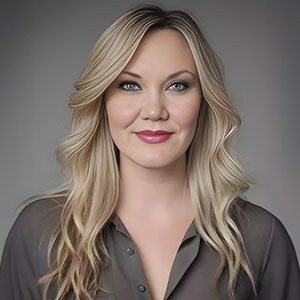
Melanie Warner is an international keynote speaker, best-selling author, media strategist, and the Founder and CEO of Defining Moments Press, a US publishing company that helps experts turn their ideas into best-selling books and influential media platforms. With over 40 years of experience in publishing, journalism, and media production, she has helped clients generate more than $150 million in revenue by leveraging books to build authority and expand their businesses. After overcoming $3.6 million in debt and turning it into $4 million in profit within 18 months of publishing her story, Melanie now teaches entrepreneurs how to use storytelling and publishing to build powerful brands and multistream businesses.



Here’s a glimpse of what you’ll learn:
[3:18] Melanie Warner shares the defining moments that inspired her to start the Defining Moments book series
[7:05] Turning personal tragedy and financial collapse into a best-selling book and multimillion-dollar business
[13:49] Influences that shaped Melanie’s mindset — lessons from her father and classic self-development books
[21:27] Advice for aspiring authors: overcoming fear, imposter syndrome, and writing a book that helps others
[27:36] The four-step framework for turning expertise into a book, funnel, and high-ticket business
[31:06] Mystery guest segment: a defining moment and the power of using your voice
About the episode
Many aspiring authors and entrepreneurs feel they have valuable stories or expertise to share, yet they hesitate to write a book. Fear of rejection, uncertainty about the publishing process, and doubts about whether anyone will care often hold them back. But could the experiences people feel most vulnerable about become the foundation for influence, impact, and financial success?
Melanie Warner explains that authenticity and clarity of purpose matter more than perfection. As a thought leadership expert and media strategist, she illustrates how people connect most strongly with real stories of struggle and resilience rather than polished success narratives. Melanie recommends starting by clearly defining your area of expertise and the specific problem you solve for others. From there, structure a book around a repeatable system or framework that demonstrates how your approach works. She also emphasizes thinking about the reader’s transformation — what they gain from your insights — rather than focusing on personal validation. Combined with tools like marketing funnels and clear positioning, these strategies can turn a book into a powerful platform for credibility, audience growth, and business opportunities.
In this episode of Defining Moments, Melanie Warner chats with Chad Franzen of Rise25 to discuss turning life stories into thought leadership platforms. Melanie reflects on the defining moment that shaped her mission, the four-step framework for turning expertise into a book and business funnel, and the inspiring story behind the podcast’s mystery guest segment featuring Oprah Winfrey.
Resources mentioned in this episode:
Quotable Moments:
"If you have a solution to somebody's pain and you don't share it, that's being incredibly selfish to keep it inside because of your own fear."
"Stop thinking of who your book is going to help and start thinking of who it's going to hurt if you don't get it finished."
"Every defining moment that felt like my greatest failure ended up leading to my greatest success."
"Write the book people want to read, not just the book you want to write, and make it about your reader, not about you."
“That experience creates expertise, and that's the real value that people have.”
Action Steps:
Define your expertise and target audience clearly: Identifying the specific problem you solve helps position you as a trusted specialist rather than a generalist.
Structure your book around a clear framework or system: A step-by-step approach makes your insights easier for readers to understand, apply, and remember.
Focus your message on the reader’s transformation: Centering your content on how it helps others increases engagement and long-term impact.
Turn your book into a strategic business tool: Using your book to introduce services or programs helps convert readers into clients naturally.
Share authentic experiences, including failures: Honest storytelling builds trust with audiences and creates stronger emotional connections with your message.
Sponsor for this episode...
This episode is brought to you by Defining Moments Press, Inc.
We are a US-based publishing company helping aspiring authors around the world to write, publish, and promote a nonfiction book to elevate their brands, create a meaningful impact, and generate profit in eight weeks or less.
An example of how we help our clients is with Eric Alikpala. He went from earning $100K per year as a coach in his first quarter to doubling his income in Q2, and increasing his income tenfold by Q3 — growing him into a seven-figure author, speaker, coach, and consultant.
Do you have a message that could become a best-selling book and business asset? Defining Moments Press provides the strategy, structure, and coaching to help you get it done quickly and profitably.
Visit mydefiningmoments.com to schedule a strategy call and turn your expertise into a published book and a powerful platform.
If you want to leverage your expertise with a book, check out the 7-Figure Book MethodTM.
Powered by Rise25 Podcast Production Company
Transcript
Melanie Warner: 00:00
And Mark Victor Hansen said something to me, and I will never forget it. He said, Melanie, stop thinking of who your book is going to help and start thinking of who it's going to hurt if you don't get it finished.
Chad Franzen: 00:12
Wow. Nice.
Melanie Warner: 00:13
The next day, a woman in my hometown stepped in front of a train and took her own life because her son had passed away 15 years prior. And it broke my heart, Chad, because I knew I could have helped her. I knew if I got out of my own way and stopped focusing on my own fear and insecurity and imposter syndrome and making it about me. And I had made it about her and those other people out there. The nameless, faceless potential people who could read your book who could literally mean the difference of life or death.
And all of a sudden, between that moment and my near-death experience, it created urgency like that for me.
Intro: 00:56
Welcome to the Defining Moments podcast, where leaders, innovators, and everyday heroes share the moments that changed everything. These are the stories behind resilience, purpose, and legacy. Now let's dive into today's defining moment.
Melanie Warner: 01:12
Hi, Melanie Warner here from Defining Moments. I'm the host of our TV show and this podcast where I chat with established experts and corporate leaders, high-level coaches, people who are turning their expertise into best-selling books, premium brands, and powerful media platforms. This episode is brought to you by Defining Moments Press. We are a US-based publishing company, and we help aspiring authors around the world to write, publish, and promote a non-fiction book to elevate their expertise, their brand, and create a meaningful impact and generate profit in eight weeks or less. An example of how we did this is one of our readers and one of our clients.
Her name was Tanya McCready, and she went from almost shutting down her travel business during the pandemic to turning that book into 17 different income streams, including a keynote speech for Coca-Cola. They actually ended up there was a movie made about her book, and she has now generated over eight figures on that one book in her business. So do you have a message that could become a best-selling book and a business asset? Defining Moments Press provides the strategy, the structure, and the coaching to help you get it done quickly and profitably. Visit mydefiningmoments.com to schedule a strategy call and turn your expertise into a published book and a powerful platform.
Now I have Chad here from Rise25, who has done thousands of interviews with successful entrepreneurs and CEOs, and we decided it would be a little bit of fun today to flip the script. And today he's going to be interviewing me. So Chad, welcome to Defining Moments.
Chad Franzen: 03:03
Hey, thanks so much, Melanie. It's great to talk to you. Great to be here. Looking forward to finding out more about you and finding out more about Defining Moments. So tell me what inspired you to start it?
What inspired you to start the Defining Moments book series?
Melanie Warner: 03:18
Well, I would say I think everybody's had a defining moment in their life. And for me, it was several years ago, I was digging through the house. I found this bucket list that I wrote when I was 18 years old, and I had written all these crazy things I wanted to do in my life, like write a book and be an actor and do all these crazy things. And I just in my 18 year old brain, I thought, oh, I'm going to have to live to be 100 to do all this. So I wrote out everything on the list.
I was cleaning up and I found this list and I went, oh my gosh. And I had written at the top things I want to do before I die. Now everything on that list was marked off all the crazy things. And I was in my mid 30s and I thought, there's no way I'm ever, you know, I'm going to do this stuff. And I was shocked at how much of the list was marked off.
And so there was still one thing left on the list. Write a book. Now flash forward. I put the list away. I went, wow, I did everything.
I guess I need to make a new bucket list. I marked everything off the list and remembered it said things I want to do before I die. Now, seven days later, I'm in the hospital. There had been an accident. I'm laying on the gurney and I literally have a doctor telling me this is life threatening.
This is life threatening, and you might not make it. I was bleeding out and I later learned I had 90s left to live, no joke. And I literally thought, did I manifest this? Things I want to do before I die. I'm getting chills just thinking about it.
And here I am in this situation. So spoiler alert I lived, but a few days later, sadly. I held my son Carson in my arms as he took his last breath. And let me tell you, as a parent, I don't know if you're a parent. You have kids, but nothing prepares you for that.
And there wasn't a book I could read. There wasn't a manual. I just shut down hard. And at that point, I was living my best life. Before that moment, I had a beautiful house.
I was married for 16 years. I had two kids. I had a dog and a, you know, beautiful life. Like my, my dream house. I was running a dream company that I loved so much and was generating $1 million a year.
And it had taken me 20 years to basically build all of that. And so what happened is with this defining moment of losing my son and the emotional shutdown from that, I didn't know how to recover. And so from there, I just kind of didn't care if anything survived. And so at that time, I ended up getting divorced. I didn't know how to deal with the grief.
Neither did my husband. We went, I shut down my business, my only source of income. I went through bankruptcy, foreclosure, even tax audits. And then I had to go to tax court and prove I didn't owe all this money. And I couldn't afford to hire anybody.
So I had to represent myself in federal tax court. So talk about a defining moment in all these things that triggered. There was so much grief and loss and trauma in all of that that I felt like I was drowning and I didn't know how to get out of it. And then I went back to that one thought, that list. I found my bucket list again and I said, you know what?
I'm grateful that I live through this. I am never going to take a day for granted. And I don't ever want to think that someday there is a deadline. I'm going to go write this book. So I wrote a book that included my story about all of this.
And that book, I went from -$3.6 million in debt to positive $4 million in 18 months.
Chad Franzen: 07:04
Wow.
Melanie Warner: 07:05
Because I finally started sharing the real story, not the fake book story. And it blew my mind at how much people resonated with my pain because I felt like the biggest loser, like the biggest failure, like, who's ever going to listen to me ever in, in the rest of my life knowing that I blew up my life so poorly? You know, I lost everything and I mean everything. There was a point where I couldn't afford food. I thought I was going to be homeless.
We had to move four times in 18 months because I was just so overwhelmed. I didn't know how to deal with any of this loss. And the. And the one loss was the catalyst for another loss. And there was a point where all I had was my kids and my health and all the things that I thought defined me, Chad. They didn't. And that was one of the greatest lessons of my life. And I call it a beautiful moment. It was beautiful, but it was brutal at the same time.
And so I had to figure out how to rebuild my life that just blew up. How do I find a way to make money again? And most people, their fear is losing their job. My biggest fear was getting a job because I've been an entrepreneur since I was 18, so that was my defining moment and also what I felt to be the greatest failure of my life. That has ironically led to the greatest success in my life.
Chad Franzen: 08:39
Yeah, yeah, I mean, that talk about lows and highs. How long, just out of curiosity, how long did it take from, you know, the day of the tragedy until the day you decided, okay, I'm going to try and go forward positively from here. You know, you kind of went downhill there. When did you start to go uphill?
Melanie Warner: 08:57
For a while. It took me a while. I mean, and it and it was, you know, have you ever been in a situation where you're white knuckling.
Chad Franzen: 09:03
Like.
Melanie Warner: 09:03
I was white knuckling my business? And then and then because everything was like I was in this distress for a while and things were just going downhill. And then the oh eight recession hit. Remember how everybody everything fell apart then anyways, for everybody financially, like I kept rallying, thinking I was going to save my business. I was going to be able to do all these things.
And then bam, another massive hit happened, another defining moment for a lot of people. And so that's when I just said, I can't financially function. Like I don't know what to do. I can't get the money in. I didn't have any funding.
We couldn't get loans, we couldn't get credit lines. And we had so many people that owed us money that couldn't pay us because the economy went south. And I felt like all my parachutes failed. You know, every, every I had multiple streams of income by the way. I owned multiple houses. I had rental income. I had a business that was doing well. I just felt like, what did I do wrong? How am I such a loser?
You know, it's really how I felt. And, and so it finally, it took me about a year or so to navigate the grief and get that to a place where I could function. And then I started rebuilding everything. And from there, it took about a year and a half to just get, you know, I, I had spent years trying to get the book written. I had major publishing deals.
I had major publishers that were going to take years to make it happen. And all these things fell apart. And I felt so frustrated because I thought, I thought this was the answer, and I thought I needed a major publisher to make this happen. And then another major publisher took it over, and then they dropped the ball. And then I was like, finally, I just released the book by myself, self published, and within two weeks it hit number one on the best seller list and we were off to the races.
Chad Franzen: 10:56
That is amazing. So I mean, I've got these other questions, but everything you just said is kind of spawned so many questions. So what did you maybe consider? You talked about how, how you defined yourself. What did you consider your, the, how you defined yourself before compared to maybe after you've learned a lot of these hard lessons?
Melanie Warner: 11:19
Well, when I was going through it, I remember thinking, why? You know, I remember thinking, God, why did you let me live if I'm to to put me through this hell, you know, I mean, I and then I realized, you know, I, my parents, I mean, my, my family, my kids, my community, There are the future clients that would need me, right? I felt like there were people out there struggling with similar things, and they probably needed to learn how to reboot their life, too. So the tools that I used to rebuild my life and redefine that new story, I thought somebody might find this valuable. And so what's interesting is I went through all these challenges of trying to get my book done for years before, even before that, and then people saw what I did and they go, can you teach me how to do this?
And so I started feeling not only cathartic in helping other people heal and then get their stories out, but I made so many mistakes. I mean, and what's funny is if I have that copy, oh, here's the book right here. So this was my very first book, and it was initially a Chicken Soup for the Soul book. And then they sold their company. So I'm like, oh, now I'm back to ground Zero again in my book, went along with it, and then I ended up pulling my book out of there.
I went with another massive publisher, this time a big Christian publisher, and then that fell through. And then I was just like, I was so discouraged. Like, what does all this mean? Like, I've worked so hard. I'm just going in circles here.
And all of it. Looking back, I know everything happened. Everything happened the way it was meant to. And I really trust that process in my own life a lot more now when I'm pushing for something and I don't understand why the universe isn't giving it to me and making it just easier. Because that experience creates expertise and that's the real value that people have.
It's, it's your life experience, your work experience. You know, that's not something people can teach you that resilience. And I realized after my divorce, these skills that I learned, nobody could ever take that away from me. My ex husband, like no one could ever take my education, my experience away from me. And that just made me feel empowered, you know what I mean? To move forward.
Chad Franzen: 13:42
Wow. Very nice. So who would you say has been maybe a huge influence on you in your life?
Melanie Warner: 13:49
Oh my gosh, there's been so many. I have so many entrepreneurs I just fell in love with. And they've given me so much. They don't even know me. They don't even know it.
But I mean, I mean, my personal one, my north star is really my dad. My dad has been a Sunday school teacher for 64 years. He's been an attorney for 64 years. He has. He was a Little League baseball coach for 50 years. He's a very dedicated person. He's also invested in real estate as an entrepreneur. So he really encompasses everything about what a, you know, successful family man looks like to me. It was my model, right? So that was the other part.
When my family fell apart, I felt like I failed my children because I. Oh, this makes me want to cry because I couldn't give them the stability that I had growing up. And I just wanted my kids to have a better life than I did. And I felt like I blew up my life. And then I felt like I blew up their life to the point of no return.
And that's what I want people to hear today is like, it doesn't matter how big of a failure you feel like your life has, there is always a way out. There is always a solution and a way to get through it, trust me. And so my dad just stuck by me with everything. I remember when my son passed away and my parents came out to visit. I remember my dad coming in the backyard.
We were sitting on the swing and he just said no words. And he just held me like a little baby as I bawled my eyes out. And that unconditional love that my parents have given me. But what's interesting about my dad is I feel like I was born specifically. My purpose in life was very adamant from the time I was born because of him.
So when I was born, my dad was teaching Dale Carnegie classes. Isn't that funny? Wow. And when I was a teenager, I was very rebellious. I just didn't like to be told what to do. So I didn't like to follow the rules. It was terrible, I was horrible. And so I got punished once because I took the family car without permission and my punishment. My dad made me read this stupid book called How to Win Friends and Influence People by Dale Carnegie. Right.
And I was like, I got friends. I don't need to read this dumb book. And I was so angry and so resistant and so defiant not to read it that he said, if you have to read every single word, you've got to read every chapter. And at the end, you have to memorize the mantra at the end of every chapter and report back to me, or you can't leave this house ever again. Now, some people may think that's really weird. I thought, what a dork. Can't you just ground me like everybody else? Right? Like, why are you such a nerd? And the funny thing is, looking back.
His goal was to ground me, but he really grounded me. You know, at that moment. And that was my education into self-help. And from there I went into Norman Vincent Peale. I studied Napoleon Hill, Think and Grow Rich. One of my favorite books of all time that I still read every single day. And I base so many of my companies and give so much advice, like so much success. And kudos to that book. It was the, the, the original self-help book, and it's still relevant after a hundred years. And it made me realize at a young age, wow, how can you write something a hundred years ago and know that it's still going to be relevant today?
So I discovered the secret formula that's in all these types of books, and no one really knows about it. I just kind of found it the hard way by loving all these books for years as a book nerd, and it's called a client Conversion Model formula. So I developed this formula that I started using in my books, and I started making millions of dollars with it. And then I started teaching our clients, and now they've generated over $150 million using these methods, like the seven figure book method and some other things. And so to me, the greatest joy is being able to help people find their voice and build these platforms.
And I got to do that for my dad. So in his 80s, his whole life, he wanted to write a book. The irony of it. All right. And the full circle of him being in his 80s. And I got to help him write his first book, and not only his first book, but now he has four books that are in series, and he has made thousands and thousands of dollars. He sold thousands of books with no marketing, no advertising. He's not on social media. He simply wrote the book people want to read. And it's about his work as a Sunday school teacher. So I prepared Bible study lessons. If anybody's asking what is the book they want to know? And he donates 100% of his proceeds back to his church. Isn't that amazing?
Chad Franzen: 18:38
Yeah, absolutely. Wow. So if people want to find out.
Melanie Warner: 18:42
Oh, sorry. I was going to say the very first podcast episode I ever did was with my dad for.
Chad Franzen: 18:47
I was just going to say that. Yeah. So people and his name is John, right?
Melanie Warner: 18:51
John Warner. Yes.
Chad Franzen: 18:52
So people can look for that episode and learn more about John and hear from him in that episode. That would be awesome.
Melanie Warner: 18:58
And you know what I learned when I was doing this podcast episode? I mean, I've known my dad my whole life. He to me has been my hero. He's always so got his act together. He didn't even start investing until his 50s.
I had no clue. I thought he just came out of the womb organized and efficient. And I found out that he had this huge failure in his life that made him almost quit being an attorney. And I didn't discover that until on the podcast with him. Really, I never knew this about him. So it was very fascinating to start asking people about their failures. And that kind of evolved into the podcast that we do as well.
Chad Franzen: 19:33
Sure. Yeah, that's, that's, that's a great question. So, you know, your company is called Defining Moments. You've shared a lot of moments already with us. Has there been maybe a defining moment in your life that comes to your mind?
Melanie Warner: 19:47
Well, obviously, you know, losing my son, that was kind of the impetus of starting this whole company. And really, I just wanted to create not just a self-help company, but a whole community of people that are seekers and people that are speakers, authors, coaches, business owners, people that want to get their voice and their expertise out there. Now, Chad, you may not know this, but I have been in the media for over 40 years now. I'm aging myself here. I started out as a teenager and I worked in a radio station.
My very first job interview ever, I was 15 years old and I went in and I got the job. I was an on air personality. In high school, on the radio.
Chad Franzen: 20:31
Wow.
Melanie Warner: 20:32
And I grew up thinking, I hate living in a small town. There's no opportunities here. I can't wait to get the heck out of here. But if that had been LA or a big city somewhere, I would never have had that opportunity. And that was a big break.
That was a defining moment in my life in a positive way that launched me into the media, and I had been in that media. I've been building public platforms for people way before social media for over 40 years now. And this is like the greatest joy in my life is to see other people step into their zone of genius and get their story, their message, and their expertise out to the world.
Chad Franzen!: 21:09
So with regard to book writing, you know, you've had success as a book author. Your dad thinks, thanks to a lot of your help, has also been very successful. What advice would you give to someone who has maybe always thought they wanted to write a book but hasn't started yet? Or is, you know, thinks like it's going to be too much or whatever. What advice would you give?
Melanie Warner: 21:27
Oh that's brilliant. I mean, for me, I threatened to write a book. For 20 years I'd been wanting to write one since I was a teenager, and I think the longest someone told me was almost 70 or 80 years. 80 years. They were waiting to write a book. It's crazy. And, and I think in our head, because we're intelligent human beings, that we feel like things are more complicated than they are. So we justify. Well, that's why I've never written my book. It's too hard.
And a lot of it comes down to childhood wounds and this ultimate fear of rejection, right? The smartest people in the world don't want to be scrutinized by trolls. And there's so many trolls out there on social media. And let me tell you something, every time I put myself out there, I get hate. I get people that just are so mean.
And I've never met a hater whose life is better than mine, and that's the only way I can deal with it. But if you let that stop you from getting your voice out there, your story out there. Let me tell you, that alone is robbing your future author like your future readers and potential clients of their own transformation because you're letting fear dictate. And here's the thing that really inspired me. Another mentor of mine, Mark Victor Hansen and Jack Canfield, who wrote the Chicken Soup for the Soul books, who gave me this book deal with Chicken Soup for the Soul Publishing before they sold their company.
And I had this massive book deal. I was writing this book, I had all these stories, but I still had imposter syndrome, right? I still had doubts, even though I had the biggest book publishers in the world validating me, I still was questioning everything. And so insecure. And Mark Victor Hansen said something to me, and I will never forget it. He said, Melanie, stop thinking of who your book is going to help and start thinking of who it's going to hurt if you don't get it finished.
Chad Franzen: 23:14
Wow. Nice.
Melanie Warner: 23:15
The next day, a woman in my hometown stepped in front of a train and took her own life because her son had passed away 15 years prior. And it broke my heart, Chad, because I knew I could have helped her. I knew if I got out of my own way and stopped focusing on my own fear and insecurity and imposter syndrome and making it about me. And I had made it about her and those other people out there. The nameless, faceless potential people that could read your book that are literally could mean the difference of life or death.
And all of a sudden, between that moment and my near-death experience, it created urgency like that for me. And we have clients now that we've helped write books that have passed away, but their book became their legacy and is generating income for the next generation, just like these books that we still read today, like Think and Grow Rich and Dale Carnegie. Yes, I still love Dale Carnegie, even though it was force fed to me as a teenager. So I think that the most valuable advice is listen to the people who have what you want and write the book people want to read, not just the book you want to write and make it about your reader, not about you.
Chad Franzen: 24:34
Sure.
Melanie Warner: 24:34
That is what helps create the books that last longer than all of us.
Chad Franzen: 24:39
So when you think about others, that's a way you know, I was listening to an interview with like a, I live in Denver along like somebody who's been on the news for 30 years. You know, she's, and she said she wakes up every day thinking that she's or this is the day that I'm going to be exposed. And everybody realized what an impostor I am, like, what a fraud that I am or something like maybe, I guess maybe you just always have that. But if you put aside and think, think about others rather than focusing on yourself, that helps you get through that.
Melanie Warner: 25:05
Absolutely. And here's the thing. Even if somebody is famous, it doesn't guarantee book sales. I mean, Hillary Clinton only sold 66,000 copies of her book. This is one of the most famous women in America that everybody in the world knows who she is.
It doesn't translate to just because people know who you are, that they want to know your story. Sometimes people, maybe they felt like they already knew her story. They didn't need to buy the book. They already read about her every day in the news. But the point is, just because the biggest mistake people make is they think, I want to write a book about me and my memoir in my story.
It's like a meme, like me, me, me, me, me. And you need to. I think it was Zig Ziglar that said, you need to tune in to a different station called Wiifm. What's in it for me? That's what the reader is thinking.
Why should I read this book? Why should I listen to this podcast? Why should I watch that TV show? What am I going to get out of that? So if you can't answer that question, you should not write a book.
And the truth is, the only reason any business owner should ever write a book is to get a client, not just to stroke their own ego, because it does take work. It does take effort. But I believe we have a very specific responsibility to the world. If you have a solution to somebody's pain, to their relationship pain, we'll call it relationship cancer, financial cancer, physical cancer, emotional cancer, mental health. If you have knowledge that can actually help save somebody's life or marriage or business and you don't share it with people, that is being incredibly selfish to keep it inside of you because of your own fear.
That means you're focusing on you, which is what creates all kinds of mental health issues for people. And when you focus your solution on helping somebody else and even give them a name like, I'm going to write this book for this phantom person, give them, give her a name or him a name. And when you start to get stuck and you focus on yourself, you think about that person and you go, this is a love letter to help this person stop suffering. Because I hate suffering, I do, I hate suffering, and it's so unnecessary in today's age because everybody has walked these paths like they have a solution and they're willing to share that with you.
Chad Franzen: 27:27
What? So, you know, people may have fears about writing a book. Are there any common misunderstandings that you found that people have about writing or publishing a book?
Melanie Warner: 27:36
Absolutely. If you're writing an expertise book that I recommend, you use at least four steps. Number one, you define very clearly what is your expertise and who do you help like Doctor Oz, Doctor Phil, all of these people were already professionals before they got on these big platforms, right? And just because you go on Good Morning America doesn't mean you're going to sell books if you don't have the other pieces in place. So number one is define your area of expertise and be a specialist, not a generalist.
This is how Doctor Oz is worth $100 million instead of Joe Doctor down the street. And if you're a generalist, a general practitioner, you're going to work 50 times as much as the specialist and make a lot less money. If you are the heart surgeon, if you are the brain surgeon, if you are somebody that people spend months waiting to come to you and they take off work to come see you, and they expect to pay more because you're a specialist, then you want to really clearly identify your expertise. So that's step number one. What is your expertise and who are you helping?
How are you helping them? What are you charging for that like we call that a high ticket offer on the back end. Right. So you start with that first and then you write your book. Step number two is then write your book.
Your book should be a series of these steps and the system that's proprietary to your expertise and what sets you apart from everybody else in your industry. It could be steps and tools, and this is why your secret sauce is better than everybody else. And you write a book about that so that what happens is this introduces people to your book, right? It introduces people to your system. And then step number three is you have a book funnel so that you can drive people to buy that book, have upsells and order bumps.
Now you're increasing your average order value. And guess what that does? It pays for your ads from day one. So you can actually grow and scale and get the kind of customers you want. The fourth step is traffic.
So first you start with what's your expertise or offer? Step two: write your book. Step three is building the funnel and step four is traffic. If you write a book and you skip those other two steps and you just go put it on Amazon and no one's buying it, it's because you haven't done those other two steps that are so critical, and you must do them in that order, because what happens is when you run traffic to the top or the bottom of that funnel, now the traffic goes up and they ascend into your high ticket offer more naturally, and it doesn't feel like sales. And you don't need a big sales team to make money and build a personal brand of authority and credibility.
When you use those steps. That is the myth out there. That took me years and well over $1 million of mistakes to learn this the hard way, which is why I've dedicated my whole life to teaching this and preaching this to anybody and everybody that has ever thought about writing a book, especially if you're a business owner and you have not written a book, I can show you the math on how you are losing six or even seven figures a year.
Chad Franzen: 30:47
Okay. Wow. Well, that's great insight, great information. You know, in your podcast, I think one of the topics of conversation is something called a mystery guest. Can you kind of explain what your listeners will, you know, will be hearing when you talk about that later?
And then tell us who your mystery guest is?
Melanie Warner: 31:06
Oh my gosh, this is my favorite thing in the whole world. Okay.
I love sharing stories with people and I love sharing other people's stories. Like I'm not really big on this is so weird for me to be running a podcast. And now we're filming a global television show that's 1.5 billion viewers. Like what? I stopped being an actor 100 years ago because I didn't want to be on camera.
And yet I don't want to be on camera either. But I'm, I, I feel like I'm so excited about what we're doing that I had to kind of come out of retirement behind the camera and say, okay, I got to share this. So at the end of every podcast, we share a very special story of somebody that's well known that you may know who they are, but you have no idea about their, their, their dark defining moment in their life. What is that defining moment that made them choose to become the person they became? Because some people just fall into the void and other people step into greatness.
What is the distinction between those two things? And so we love to share at the end of every podcast. A defining moment of somebody well known. And we do it at the end of every show and so on. This one, I feel very special to be able to share this story with you, because this is a person who has had such a deep, profound impact on me in the media.
At 15 years old, when I first encountered this person and ever heard of them and I followed them my whole life, this person became a mentor of mine. And I just am so grateful, and I don't think she'll ever know the impact she's had on my little life and my little business. So this is a story about the girl who wasn't supposed to make it so before the stadiums, before the billion dollar brand, she was a little girl born in rural Mississippi to a teenage mother. No silver spoon, no famous last name, no safety net. She learned to read before kindergarten, and she could recite Bible verses in church.
So people called her the preacher girl all through high school, in college or in middle school and elementary school. And they even made fun of her for being so positive and showing her faith. But behind that bright voice, her childhood was very unstable. By nine years old, she was being sexually abused by a relative. Then another and another.
The adults who were supposed to protect her didn't. And at 14, she became pregnant. A child carrying a child. She hid it as long as she could. She wore baggy clothes.
She said nothing. The stress was so much that when the truth surfaced, all she could feel was shame. And she gave birth prematurely. The baby boy lived only a short amount of time. And just like that, she was a grieving teenage mother, alone with her pain.
She couldn't talk about it out of shame. Most statistics would say that that was the end of her story. She would go into drugs. She would just, you know, get into, you know, very toxic, horrible relationships, trying to find love, abuse, poverty, teen pregnancy cycles that repeat. We all know those stats, but something else happened instead.
Her father stepped in and took her in. He was very strict. He was structured. He was disciplined. He didn't rescue her with comfort.
He rescued her with expectations. Books, reports, curfews, accountability, structure. He made her read a book a week and write reports on them. He told her she was responsible for her own future. He refused to let her believe that she was damaged goods.
He loved her. And slowly something shifted. The little girl, who had been silenced by trauma, began to use her voice again. She won a speech contest, then a scholarship, then a job reading the news on local radio while still in high school. She was told at her first television job that she was unfit for TV, meaning they didn't like her appearance.
They didn't find her to be attractive, and she was too emotional to express, just too much. And inside, that made her feel like she was never enough. But what they called too much would one day become her superpower. She built an empire not on perfection, but on empathy, on asking questions nobody else would ask. On making people feel safe and seen.
And because she knew what it felt like. Not to be protected, not to be heard, not to be safe. Her defining moment was not when she became famous. It wasn't launching her own network. It wasn't the giveaways or the interviews.
It was the moment that a broken teenage African American girl decided that her past would inform her, but it would not imprison her and it would never define her. That pregnant 14 year old girl who buried her baby and rebuilt her life through discipline, books, media and belief. Now you know the defining moments of Oprah Winfrey. So I get chills thinking about this story. And I just have to say, there are so many similarities in our story.
I am so grateful that I had an amazing father who was so protective. And my mom is just a great faith based person. But one of the things I did a few years ago, there was an auction where Oprah was auctioning off some things and I was able to buy her shoes. Right. So I have never actually worn them. Can you see these?
Chad Franzen: 36:57
Let's see. Yeah.
Melanie Warner: 36:59
Okay. There we go. You can even see inside. There's a tag here. There was even, like hair on them. I like it. Oh my God. And so some days it is too sacred for me to put them on. But it reminds me of the shoes that we all have the ability to fill of someone who came before us that inspired us to take action. And there are times when I went through the most difficult times of my life, like what I shared with you about my son, and I thought, what would Oprah do? How would she handle this? And this, this person who has impacted millions of people inspired me so much beyond any living human being besides my family, that I can say.
And I don't think she has a clue that she's impacted people on such a deep level like she did for me. And I first saw her when I was 15 years old before I got the job in radio. Our family trip to Chicago. I heard about this woman. We went to see this little, you know, TV station.
She was all over local television, and they were making this big deal about how this local television anchor was getting her national show. And we got to watch the show live in Chicago on TV when it first aired. And I just fell in love with her at that moment, and I never missed her show. I watched it religiously for 25 years, became her greatest fan, and have really dedicated my life to the media because of her story, not knowing that I would grow up and have my own tragedies and my own defining moments, and used platforms to help myself heal and help other people heal as well.
Chad Franzen: 38:43
Yeah. Wow. Well, thank you for sharing that. I didn't know, you know, Oprah had her show back in the 80s. So she's been around for, you know, 40 years.
But I didn't know all the backstory before, before all of that. And wow, that's amazing.
Melanie Warner: 38:57
So secrets are about shame. And when you're in the media I have been in public places like I've been in the media for 40 years, the same time frame as her. And I hid a lot because of my own shame and the own things that happened to me and my limited beliefs. And this is where I just want to encourage people by my own transparency and and like authenticity, if whatever you want to call it like to say, look, I'm not perfect and it's okay if you're not, and you screwed up your life and you blew everything up, I just want you to be inspired, not impressed with what I've done, but inspired by what I've done in spite of all of that. Because I want you to see what you're capable of doing.
Knowing my story, knowing Oprah's story, knowing how so many people have taken these defining moments that could have made them into everything and be like, that's it. My life is over. And I know that everybody felt that way. I know she did as a teenager because she's talked about it openly, and I'm and I'm not sharing a story that people don't know, but it's not very well known. And that's what I love sharing in our podcast and in our TV show, because I know how much it affects people and it and I hope that we've inspired you to go out and share your stories.
And if you want to put them in books and put them on stages and get them out in the media to more people, we want to help you build the platforms to be able to do that and really
Chad Franzen: 40:26
Yeah, absolutely. Well, hey Melanie, it's been great to talk to you today. Thank you so much. Very interesting and inspiring conversation. Thanks so much for having me.
Melanie Warner: 40:34
Thank you. Thank you for interviewing me. This has been so fun. Thank you all so much for being here.
Chad Franzen: 40:39
So long, everybody.
Outro: 40:40
Thanks for listening to the Defining Moments podcast. We'll see you again next time and be sure to click subscribe to get future episodes.
Meet the Host
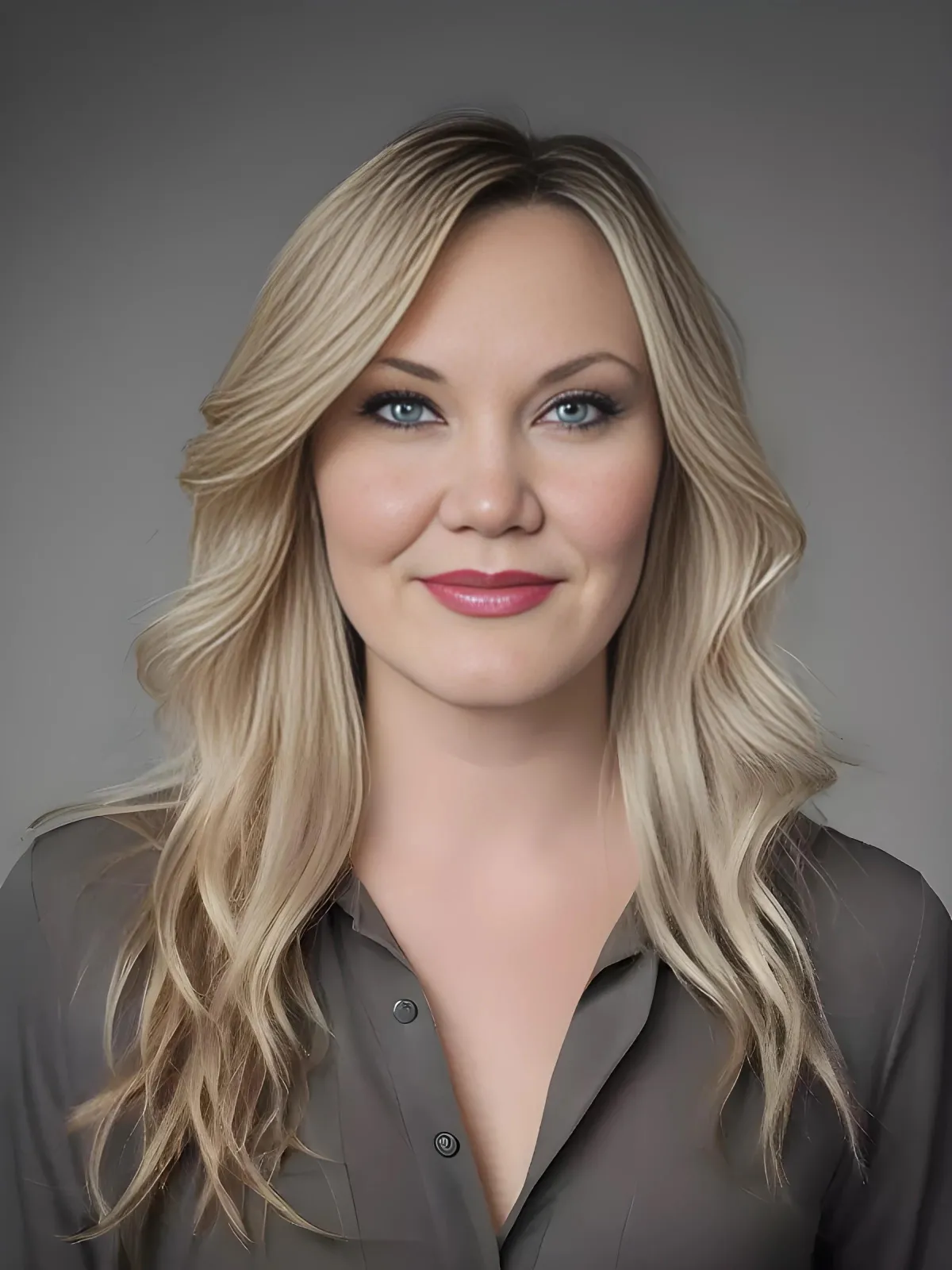
Melanie Warner
Melanie Warner is the host of [Defining Moments where she chats with established experts, corporate leaders, and high-level coaches who are turning their expertise into best-selling books, premium brands, and powerful media platforms. As a media veteran for 4 decades, Melanie walks guests through their own Defining Moments.