

Podcast
How Early Childhood Shapes Learning, Resilience, and Lifelong Success With Mara Lee Durrell

Mara Lee Durrell is the Executive Director of Rise Alliance for Children, a global nonprofit dedicated to helping vulnerable children heal from trauma and develop the social-emotional skills needed to learn and thrive. She previously served as a senior staffer in the Obama Administration and the US Congress, and later led international conflict-resolution initiatives, including the PeaceWorks Foundation and the OneVoice Movement. With a career spanning politics, diplomacy, and nonprofit leadership, Mara now focuses on expanding trauma-informed early childhood education and supporting teachers, caregivers, and communities to create safe learning environments for children worldwide.



Here’s a glimpse of what you’ll learn:
[1:47] Mara Lee Durrell discusses leadership lessons from government service and how parenting is a form of leadership
[9:02] Diplomacy, conflict resolution, and lessons learned from being a lifelong peacemaker
[12:29] The “whole child approach” to education and why emotional safety matters for learning
[14:52] The science of brain development: How 90% of the brain forms before age six
[18:28] The power of one supportive adult in shaping a child’s confidence and future
[20:56] Becoming a parent during the pandemic and losing the traditional parenting “village”
[28:54] The impact of 15 minutes of daily connection between parents and children
[32:21] Mara talks about leaving a 20-year career in politics to focus on helping children in conflict zones
[36:54] How fear and toxic stress shut down a child’s ability to learn
[55:22] The economic ROI of investing in early childhood education
[1:19:53] The powerful statistic: $52 of early childhood support makes a child 90% more likely to succeed in school
[1:20:57] One powerful parenting principle: Connect before you direct
About the episode
Children don’t just learn from books or classrooms — they learn from how safe they feel in the world around them. When children feel supported, seen, and secure, their brains become more open to curiosity, creativity, and learning. But what happens when safety is missing from a child’s environment?
Mara Lee Durrell explains that safety is the true foundation of learning. As an expert in early childhood development and trauma-informed education, she highlights that when children feel unsafe, their brains shift into survival mode — making it nearly impossible to absorb new information. She illustrates how one caring adult can dramatically change a child’s life trajectory, whether it’s a parent, teacher, or mentor. Simple actions like daily connection, listening, and helping children express emotions can build resilience and unlock their ability to learn and thrive.
In this episode of Defining Moments, Melanie Warner chats with Mara Lee Durrell, Executive Director of Rise Alliance for Children, to discuss how early childhood development shapes lifelong success. Mara discusses why emotional safety drives learning, the power of one supportive adult in a child’s life, and how small daily moments of connection can transform a child’s future.
Quotable Moments:
"Parenting is leadership; listening, being adaptable, and understanding you're on a journey together is essential for both."
"You don’t need a village — just one person who helps a child feel like they matter can change their entire life."
"A hungry child cannot learn; a scared child cannot learn. Safety, not academics, is the foundation of learning."
"Connect before you direct; that 15 minutes of pure connection each day can make a child thrive for days."
"Early childhood development is the single biggest ROI we can have in developing and improving our societies."
Action Steps:
Spend 15 minutes a day connecting with your child: Focused, undistracted interaction helps children feel valued and strengthens emotional security.
Practice “connect before you direct”: Building emotional connection first increases cooperation and reduces stress for both parents and children.
Create safe learning environments for children: When children feel physically and emotionally safe, their brains become more open to learning and problem-solving.
Support teachers and caregivers with trauma-informed approaches: Educators trained in emotional safety and connection can help children develop resilience and confidence.
Invest in early childhood development programs: Early interventions build strong brain architecture and create long-term educational and economic success.
Sponsor for this episode...
This episode is brought to you by Defining Moments Press, Inc.
We are a US-based publishing company helping aspiring authors around the world to write, publish, and promote a nonfiction book to elevate their brands, create a meaningful impact, and generate profit in eight weeks or less.
An example of how we help our clients is with Eric Alikpala. He went from earning $100K per year as a coach in his first quarter to doubling his income in Q2, and increasing his income tenfold by Q3 — growing him into a seven-figure author, speaker, coach, and consultant.
Do you have a message that could become a best-selling book and business asset? Defining Moments Press provides the strategy, structure, and coaching to help you get it done quickly and profitably.
Visit mydefiningmoments.com to schedule a strategy call and turn your expertise into a published book and a powerful platform.
If you want to leverage your expertise with a book, check out the 7-Figure Book MethodTM.
Powered by Rise25 Podcast Production Company
Transcript
Mara Lee Durrell: 00:00
Because the same way a hungry child cannot learn, a scared child cannot learn. A child who does not feel like they matter, or that they belong, or that anyone really cares about them, or how they're doing. If they don't have that sense that people are rooting for them. You don't even need people. You need one person. And the science shows that.
If you have one person who is on your team and helps you feel like you matter, that is how you move forward. That is when your brain goes from fight or flight and you can actually be open to learning. So the whole child approach again, is really seeing the child in front of us and not just trying to do the rote memorization or force facts or, you know, bring in academics early. We have to ensure that the child feels safe enough, feels like they belong, and then they can really succeed.
Intro: 00:55
Hi everyone. It's Melanie Warner here with Defining Moments. Today we have a very special guest. I can't wait for you to get a chance to meet her. This is a woman who is near and dear to my heart.
Not only is she an amazing human being, but she invests so much time and effort into helping heal children and giving other children opportunities who otherwise wouldn't have the support and opportunities that they have. So please welcome to the show, Mara Lee Durrell thank you for being here.
Mara Lee Durrell: 01:42
Thank you so much, Melanie. It's such a pleasure. I'm really looking forward to our conversation.
Melanie Warner: 01:47
Oh, absolutely. So you have this really illustrious career that I think is really interesting. You've worked in the Obama administration and in Congress. You've taught at George Washington University. And out of all those leadership rooms, what prepared you most for becoming a parent?
Mara Lee Durrell: 02:05
Oh, that is such a great question. And I actually really appreciate it because I think we have this kind of artificial separation between our professional lives and our personal lives, when actually really parenting is leadership. And yeah, I mean, honestly, the first thing that comes to mind is listening, right? A great leader isn't just the one talking and charging ahead and expecting everyone to follow. I think a parent is the same, right?
You might have an idea of how you, you know, if you want something for your child or something you didn't have in your childhood that you really want to, you know, give to your child and the child in front of you might be really different and you know, or might not want those things, whether it's a certain sport that someone wants to play or whatnot. And so yeah, for me, I think becoming a parent and the lessons I have from all of those leadership positions is really, again, just the key of listening and being adaptable and understanding that all leadership is, is also a team effort. And so it's parenting. Of course, if you have a co-parent that you're working with, but also with the child, right? Like it's, you're on a journey together.
Melanie Warner: 03:16
So what, what type of parenting role model did you have growing up? Did you come from a big family? Did you have parents that were good listeners or how did you develop that skill?
Mara Lee Durrell: 03:28
Yeah. Well, you will appreciate that. My mom is a therapist. So I certainly had, I think, someone who does professional listening, right? As my parent and my mother and my dad and, you know, I think the thing someone said to me recently, like, if a child doesn't have to worry about where they get their love from, then they can go and explore the world, right? like that. They don't have that sense of like, never feeling confident in that.
Melanie Warner: 03:59
Yeah. And they're looking for love in all the wrong places, like Willie Nelson, right?
Mara Lee Durrell: 04:03
Exactly. And also that, like, overshadows everything else, right? Like, because it's like, that's such a deep need. So if we don't have that, then, right, it's hard to do all the other things. So yeah, I think just, I have always felt really loved and really supported and also not pressured, right. To do a certain thing or choose a specific career or, you know, do a certain way.
And as a result, it's allowed me to take risks and to, you know, live abroad in many different places as an adult and try different careers. And, and that comes from knowing that you're, you're held, right? And you have that safety and security and that support network, and that allows you to go take risks. And that's where, of course, a lot of the reward comes from.
Melanie Warner: 04:47
So do you have siblings? How big was your family growing up?
Mara Lee Durrell: 04:51
Yeah. So I'm in the middle of two girls. So we laugh that I've been a peacemaker my entire life. So I think I learned some of those diplomacy skills at a very young age. But my sisters and I have always been really, really close.
And, you know, I would also say, you know, my younger sister is six years younger. We've always been really close. I can't actually. I don't think we've ever fought, but she was someone I really took under my wing and I love being with her. And I think my love of children actually comes from being an older sister to her and having that experience. And that's something that's always kind of carried like I've always loved being with kids because I loved being with her.
Melanie Warner: 05:34
What was your first job?
Mara Lee Durrell: 05:37
Oh, my first job that I got paid for was scooping ice cream at a Baskin-Robbins really glamorously, when I was 14. And who knew that it could get so busy on a Friday and Saturday night, come home absolutely exhausted. I literally think I was 14 and just eligible to work. But I yeah, it was not a glamorous job, but I continued in the food service industry for many years after.
Melanie Warner: 06:05
What was something you learned early on in that job that still serves you today?
Mara Lee Durrell: 06:10
I think I actually think everyone should work in customer service. You know, I don't think like if you haven't been behind the counter, right, and been the person who is receiving someone who hasn't had their first cup of coffee that morning, you know, you have to really understand, like people are coming into you kind of without not always their best selves. And so, you know, I did.
Melanie Warner: 06:32
You give them ice cream and then they're happy.
Mara Lee Durrell: 06:35
Yes, exactly. You're kind of part of that gratification.
But yeah, so I, I started in ice cream and worked in different places and, but was a barista for six years. And actually, again, I loved those interactions. It was like having the regulars, like having people come in knowing what their drink was like. It was you created a relationship and it kind of created a neighborhood, right?
It made your city feel more smaller and a little more intimate to have those relationships. And I actually was, I was laughing with my team. We did a staff planning session two weeks ago and we did an icebreaker and I said, okay, so forgive me, but I always want to make sure that anyone that I'm working with, I know how they take their coffee. And even though we work remotely, I really it's like a nice thing to know about someone and also that you can be like, I'm going to go grab them coffee and it's going to also be what they want. I just think it's a really funny thing.
Melanie Warner: 07:27
I think it's funny too.
Mara Lee Durrell: 07:28
It's a simple thing, but it's but it's sweet.
Melanie Warner: 07:31
And it's funny too, because, you know, you're almost like their crack dealer, you know, like they're in a really bad mood and then they get ice cream or then they get coffee and it's like, you've been.
Mara Lee Durrell: 07:40
Yes. I have not thought of it in that way. But I'm a fixer.
Melanie Warner: 07:44
I'm the person that makes everything better. And I heard an analogy once, I think this is so funny and this is just something I think my friends and I have said for years, but I don't know how universal this is, but it's like the way you like your coffee is how you like your men. Have you ever heard of that?
So I remember like I used to order coffee that was super complicated. It was like, you know, tall vanilla mocha with whip, non-fat, you know, extra pump of vanilla. It was hilarious. Like I thought, that's how I like my men. That's disturbing, you know?
Mara Lee Durrell: 08:18
Yeah. Yeah, it's interesting. Well, and also it's also like some people get the same thing every day, right? And they want the routine and the structure and other people are like, what am I going to get today? So yeah, maybe it is a reflection on our personalities.
Melanie Warner: 08:34
Oh my gosh, that is so funny. So how did you being a peacemaker with your sisters end up serving you well in the workplace as far as building teams and motivating people, because that's really the hardest thing about any job, I think, is managing people and keeping everybody from, you know, being at each other's throats, getting tired of working with each other every day, having conflict resolution. How has that served you in politics and in work?
Mara Lee Durrell: 09:02
Yeah. It's amazing. I actually became a professional peacemaker. So, you know, in a diplomat. So we, you know, we joked about it at home. But I do think, you know, again, it's a lot of those skills, you know, there's this great phrase, like everything, you know, everything you need to know in life, you learned in kindergarten, which is really the social skills, right? It's the social, it's like the listening, the learning, the conflict resolution skills, the cooperation, the how to share, how to take turns, right?
And when you work in international politics or politics in general, that's a lot of it. It's, you know, identifying like, okay, you know, what is my need? What is my goal? What is their goal? What is their need? You know, where is their overlap? Where are the win-wins? Even when the win-wins don't seem obvious, right?
And I think there's always this belief that like, I don't believe in true conflict. Like I believe in the perception of conflict and the perception of enemies, right? But there's always, there's always areas to be flexible. There's always areas to find common ground. And that is true in our own relationships.
That is true in life, right? And how we show up in the world. And that is also true when you're dealing with the Israeli-Palestinian conflict. And some of the, you know, the hardest issues in the entire world is like, there are areas in which both parties can actually find a win. And even today, right, when it feels impossible.
And so, yeah, I think just those, you know, a lot of those lessons and kind of core concepts I've always really tried to carry through. I also am an optimist, right? Not in, you know. I think not a naive idealist like those two things are different. Right. But an optimistic in that like progress is possible. And that people can change and people can, you know, find ways to be better humans. And we can help each other do that.
Melanie Warner: 10:58
You are a diplomat.
Mara Lee Durrell: 11:01
Thank you.
Melanie Warner: 11:03
Oh, and your husband is in that political arena, too. I don't know if you can say what he does, but I know, like, you know, you guys are both kind of in. You worked in politics. Is that how you guys met?
Mara Lee Durrell: 11:14
Oh, we met in graduate school in London. So yeah, so we were both studying politics. He was focused on international development. And so he's always been, you know, really focused on economic development and economic equity. So he's worked in communications and research and is now at the United Nations.
So of course I'm very proud of him for that. That also was, you know, not his background and not where he came from. Like he really had to, you know, fight for that and work for that. But yeah, I think both of us, we were both very political, which, you know, again, some people feel like politics are right or even being political, but it's because we really care. And like, we are those, you know, we believe in policy. We believe in the government can play a really positive role in people's lives, and we believe that people should expect that, and we should fight for that, and we shouldn't settle for anything less.
Melanie Warner: 12:07
I Amen to that. So when you think about your background and kind of where you're at now, we'll get into that in just a little bit. You talk about the whole child approach. Most people hear that phrase and kind of nod or move on with their day. But what are we missing that we don't understand in that on a deeper level?
Mara Lee Durrell: 12:29
Yeah. I mean, this is something that, you know, I, you know, I worked in politics, I worked in all these different, you know, venues. I'd worked on education policy and still I didn't understand this. So this is, you know, something I think I've really come to realize, both as a parent and then also as now in early childhood development professional and someone who really understands the science behind early childhood development. And we have this.
You know, there's in the field, right? Like in terms of how children around the world are educated. There's a lot of focus on the academics, right? Which is great, right? The learning outcomes are dismal. Globally, nine out of ten children in sub-Saharan Africa at age ten cannot read or comprehend a single sentence. So we have a lot of work to do on the academics. But what I've realized is that with a whole child approach, we can't just teach. We need to also bring a child in to really engage and take ownership of their academic journey. So you have to do the academics and you have to do the social emotional skills, because the same way a hungry child cannot learn, a scared child cannot learn.
A child who does not feel like they matter or that they belong, or that anyone really cares about them or how they're doing. If they don't have that sense that people are rooting for them, you don't even need people. You need one person. And the science shows that. If you have one person who is on your team and helps you feel like you matter, that is how you move forward.
That is when your brain goes from fight or flight and you can actually be open to learning. So the whole child approach again, is really seeing the child in front of us and not just trying to do the rote memorization or force facts or, you know, bring in academics early. We have to ensure that the child feels safe enough, feels like they belong, and then they can really succeed. And again, we can talk about the impact and evidence that we have for that. But again, for me, it's a more humane way to think about how we educate future generations. And it's also a lot more impactful.
Melanie Warner: 14:45
So why is safety not academics actually the foundation of learning?
Mara Lee Durrell: 14:52
Yeah, there's a lot of science now that, you know, the Harvard Center for the Developing Child and many others have shown that 90% of a child's brain is developed by age six. So the what they call now, the brain architecture is being formed at such an early age. And that also influences our entire neurological system and our entire the way that we respond to stress. So what I've been really empowered by, right, is that we actually can influence and help children respond to stress. And by being able to help them have those safety components and to be able to be safe and feel safe at a really early age, and to have a secure and safe attachment with a safe and secure adult, we actually can help a child literally set the path in their own body of how they will respond to stress for the rest of their lives.
Melanie Warner: 15:51
Wow. So yeah, I remember hearing there was an expert that I interviewed several years ago on resilience, and she was saying that children get resilience by the time they're the first 18 months of life, or to two years is where they they learn the resilience response. And so if they have gone through a difficult, you know, birth or, you know, being a newborn baby, you know, like that, it's that's the most critical time for parents. You know, who can show and express love to their children where they need that foundation to, to formulate even the synopsis of their brain and who they become.
Mara Lee Durrell: 16:27
Exactly. AndI think we're understanding, right? And this is what's exciting again, about being in the early childhood development and education field in this moment is that we really understand how important this is. And we can provide this for children.
Melanie Warner: 16:44
Yeah, we both said, you know, earlier, we both came from really solid families with parents that loved each other. They loved us and how that gave us a solid foundation. And there are so many kids, like millions and millions of kids in the world that don't have that, you know, and, and so what's the myth about early childhood development that frustrates you?
Mara Lee Durrell: 17:04
Yeah, I think it's like that. People think. And honestly, I think I thought this, I thought it was nice. I thought it was like a luxury. It was like a bonus thing.
It was like, okay, well, let's do the, you know, kind of first round, like humanitarian needs, like, let's make sure people, you know, are safe and in shelter and have enough food and are not in conflict and not, you know, exposed to violence. And then, you know, we'll kind of do the bare minimum and then children will be okay. And it's actually we need to do that and make sure a child feels safe. And again, make sure they have one person who helps them understand that they matter and that they have a role to play in this life and in our world and in our communities. And that one person will change an entire child's life.
Melanie Warner: 17:51
And so it could be a teacher, it could be a coach. I mean, I think of so many people that share their horror stories about their parents and growing up, and they didn't have that stability. But you're right, it was that one person. I think it was even Oprah that went back and, and, you know, reconnected with her like third grade teacher. And they were both in tears, like this woman influenced who she became as this amazing business leader because it was just one person that believed and made them feel safe and made them feel loved.
And it doesn't have to be your parents or a family member or, you know, it can come in a surprising relationship.
Mara Lee Durrell: 18:28
Yeah. And you know, it's interesting, you know, one of our, you know, actually one of our board members was sharing that for her. It wasn't her mom. It was her grandmother. Right.
But again, so yeah, it, it, it doesn't, it doesn't need to be a specific person or in a specific place. For that all to work, it needs to be one person. And as an organization, you know, what we've really realized too is we, we do a lot of work to help parents bond with their children. Again, especially in those, you know, really early years, birth to three. And it can be parents and it can be caregivers to, again, do that safe and secure attachment and also to have that connection and the language literacy, because what we see is that what happens is when children are really struggling in school, a lot of it's rooted in communication that they're not able to verbalize their feelings, they're not able to verbalize their frustrations.
They might not be able to really understand the teacher directions. And so, so much of what we actually are teaching from 0 to 8 is connection and communication and language and literacy and listening skills so that a child is able to succeed. And what I've realized again too, is like, we do a lot of that work, but we can't actually control what happens in the home. We can control what happens in the school. And so being able to understand that, like, we can actually help a teacher be that safe and secure adult for dozens of children every single year for their entire career.
So we really see teachers as the key change agent in being able to realize this whole child approach and to make sure that children, again, have the foundational academic and social emotional skills they need that will lead to resiliency, that will lead them to be able to thrive and to set the foundation for future academic and economic success. Which, of course is really important as we try to break that cycle of poverty. Right? We that early intervention in childhood is actually the best ROI that we can have.
Melanie Warner: 20:41
Well, take us back to March of 2020. You're becoming a parent. Everything is lined up. Childcare. Work support. And then it just poof disappears overnight. What did that moment feel like in your body?
Mara Lee Durrell: 20:56
Yeah. So becoming a parent during a global pandemic is not something I would recommend. It, you know, I think we, we have this idea of how it would be, right? Essentially. Right.
We would have this sweet baby, you know, at home with us that we would, you know, kind of have this period of being at home and then we'd come out into the world and, and we'd be able to have a village that really helped and supported us. Of course, doing that in the pandemic, not only do we not have a village, but other people were the threat, right? Like we had to isolate ourselves in order to be able to protect our baby. And so we realized that we had to become everything for this previous child. And we have two kids that two Covid babies actually born, one right after another 14 months apart, both in the time of Covid.
So we, you know, we were really home because even after I had my first baby, then I was pregnant. And again, it's, you know, you really have to maintain not only your distance, but just really isolate yourself in order to stay safe. This was before vaccines and before everything else. So in those really early days, I think trying to become everything for a child at first felt really intimidating. Like I didn't know how to do it. Parents, right? We don't take courses, we don't take classes. We're not taught how to be parents. And even when you think you can become, you know, a great parent or you want to become a great parent, you have to learn how to do it. And you're going to do that through trial and error.
But it also led me on this path of really understanding early childhood development as a whole, how important it was, and also really understanding that this is something anyone can do. You don't have to be an expert. You don't have to, you know, read all the books. You don't have to, you know, get a degree in this. Again, it's really seeing that whole child in front of you doing the listening and learning and then the communication, right? It's bonding.
Children learn how to speak by listening to their parents and having that back and forth. It's what we call the serve and receive, right? So talking to our babies, talking to our toddlers, even when we think they don't understand that back and forth, is actually how a child really will learn language and communication and then ultimately be able to express their feelings and manage their feelings and become a happy and healthy adult. Right? So those foundations are so early.
Melanie Warner: 23;21
So what belief had to die when the village disappeared during that time?
Mara Lee Durrell: 23:29
I think it was like, I'm a planner and I like to feel in control. And when you become a parent, especially in a, in a situation, right? Like in a conflict and violence and, you know, extreme poverty, you don't have control. And I had to let go of the belief that I was going to be the perfect parent or that perfect parenting even existed. Our first few years were nothing like I wanted them to be.
And in the end, right? Of course, the beauty of Covid is that I wasn't traveling for work. I wasn't on a plane all the time. I wasn't rushing home just to see my kids, you know, and give them a bath before, you know, bed. I just got to have all of that time with them. And so I think it was really different than how I expected or even how I wanted. And that had to die and I had to be okay with that.
Melanie Warner: 24:31
Was there a specific night or moment when you thought, I can't go back to the way I was before. The way I was living before all of this.
Mara Lee Durrell: 24:39
Yeah, I think. There's certainly several moments come to mind. I think there's for me, it was understanding just how much my kids needed me, that it wasn't just like even if we had had a nanny or a daycare or other caregivers who would have stepped in, my kids really wanted me, right? They really wanted mom. They needed that safe and secure attachment with me. And once I truly like, I felt that in my body, but once I fully accepted that and understood that that's for me when everything changed, right?
Melanie Warner: 25:28
Yeah. So many parents, we think, okay, financial resources, take him to Disneyland. You know, I just know for my own kids, like, sometimes all they wanted in the whole world was just their dad to pick up a ball and throw it to them. You know, like it's, it's like our time means more to them. Our presence means more than presence. You know what I mean? Like gifts and, and it, it took me so long to finally understand that, to just how to be present with my kids.
And I remember there was a quote, I think it was Maya Angelou that said, do this could make me cry. She said, do your children, do you do your eyes light up when your children enter the room? And I remember being so busy all the time with my kids during the pandemic because they were going to school and I was running my multi-million dollar business, and I was trying to navigate all this with the kids in the living room.
And I had a younger kid who was swashbuckling in the living room, you know, in a pirate costume while I was trying to do work, like serious work Zoom calls, you know, and, and then I remember his his friend, one of them, just his friends are all here now, one of my sons and one of them, just as we're here, walked on, kind of sleepily walked into a cabinet and got, you know, and that same kid would walk in every time he came to my house and said, Mrs. Warner, I've never not seen you on an important Zoom call. And I remember when my son was younger, my, my older son, who's in his 20s now, he said, mommy, when do I get to be a client? Oh, that just killed me. Because I realized then that like, I was sending the message to my kids that work was more important than them. And so I had to teach them this system.
I said, look, if you come in and you interrupt my work for a ten, like something's a ten, like really serious, that's fine, but don't interrupt it for a one like, let's talk about what's a one and what's a ten. If you can't find a pen, don't interrupt. Like go find a pen. You know what I mean? But if you're bleeding or dying, then that's a, that's a ten or a 12, you know?
And I finally had to explain why I worked and what it meant to our family. And there were times where I had projects that were going to like the things you love take you away from the people you love. And I had to have that conversation with my kids as a single parent, you know, this is going to I'm going to have to go and travel and do these things in order to make this life for ourselves. So when this gets done and built, we can go do this as a family. You know, we can.
And I was trying to kind of bring them into that process of understanding the sacrifice now. And delayed gratification as a family that that would bring. But it meant like not having as much time with me and how could I maximize the time I have with them? So yeah, Covid for me was the same. Like, it was so great having them here that I didn't have to worry about them at school.
Like, were they being bullied or, you know, there was not one school shooting the entire Covid. You know what I mean? Like, I know that sounds extreme, but I didn't have to worry about where they were in the world and how they were interacting with school, because I could be right there with them. And that felt safe for me. And I think they felt safe being here. And that was a time that, looking back, I cherished that time with all of them because we didn't. It just goes by so quick.
Mara Lee Durrell: 28:54
Right. And thank you so much for sharing that because I, you know, I think there's, as you know, again, it's that kind of that belief that had to die is the perfect parent, right? Again, in that perfect parenting. And the reality is that parents are making it work, right? Like they are doing everything they can to provide for their families.
And that's true in the United States and it's true in Ethiopia, and it's true in Egypt, and it's true in Ukraine. And it is true, you know, all around the world. On the nine countries that we work in, it's everyone is doing their best, right? Like, you know, and I think what we coach a lot for parents is that it's actually 15 minutes a day of connection. It doesn't need to be three hours of endless play.
Melanie Warner: 29:40
Well, they say the average teenager in America only spends that parent and teenager connection is only about seven minutes a day. As a teenager, because it's so hard to connect and engage with them. They're in their phones. They're their friends. They're trying to separate. And the truth is, as a mother, I believe our job is literally since the second they're born, it's to push them out in the world. And we're supposed to let go one inch at a time until they become an adult?
Mara Lee Durrell: 30:09
Exactly. Yes.
Melanie Warner: 30:10
And it's so hard to do that. It is just so hard to do that.
Mara Lee Durrell: 30:14
I know it's like, I think so it's like the long letting go, right? And but yeah, I think, you know, again, what, you know, there's, you know, I mean, we could do a whole episode on mom guilt, right? Oh, and just like all the things that we all feel. Yeah, it's real. It's real.
And, and, and we put it on each other sometimes, right? Like, or it's like, it's a competition of like, oh, yeah, I took my kids to Disneyland and you know, if, well, a lot of families don't have the resources to be able to do that, you know, what matters to a child is literally connecting with their parents. And when I realize this, both, you know, I actually, of course, my, my kids were telling me that, although not in those words, but then when I really understood it from the early childhood development research, I was like, okay, we can do this, right? 15 minutes of pure connection every day where we're in their world, their game, their thing, their imaginative play. And a lot of, again, as adults, like we've trained ourselves out of how to do that, right.
We don't remember how to just do imaginative play and drop all of our worries and like be in those moments. But when we do again, a child will thrive for the next 2440 eight hours from that 15 minute interaction, right? Like they are buzzing after those connections. And so it is, you know, again, a lot of what we're working toward is helping to have parents and teachers again, find those moments of connection because for the child, they just need to know whatever they're caring about, like the stuffed animal they're playing or the game. Again, it's like, it's important enough, right?
For the adult to say like, okay, I understand or tell me about it. Or, you know, there's some, there's something there where the child feels that they matter. That's what's actually underneath the 15 minutes of connection.
Melanie Warner: 32:04
So tell me, was there a moment in your life? I know you left a 20 year career in politics. That's not a small pivot, right? Right. So what was the defining moment in your life for you that kind of shifted you into working with children and leaving politics.
Mara Lee Durrell: 32:21
Yeah. So part of it was working internationally and working in areas of conflict in active conflict zones. And it was seeing my colleagues who were trying to parent in this impossible situation. So, you know, I the, the worries that we have as parents, right? Like, are they safe at school? Are they being bullied? Right. Like, did I pack their lunch? Right. Like all of the logistics of day to day parenting that are, you know, kind of we, we see in the United States.
For them, it was like, is my daughter going to get teargassed today? Like, will she come home? Like, will they be stopped by a soldier on the way home? Will they come home at all? I mean, the gravity and weight of their concerns as a parent. Day to day felt so heavy. And I could see it. I could feel it. Right. And being with them and living in all of these places.
And for me, it was understanding like, yes, we need to do the high level political work, right? We need to have the diplomatic breakthroughs. We need to be able to solve these conflicts on them at a high level. But we also need to do the work individually with the people who are living in those situations to help them release some of that, and to be able to build that resilience and work through their feelings and their ability to essentially overcome that adversity. And so, you know, again, for me, it was that proximity to kids who were having lives and experiences that no child should ever have.
And it just felt so unfair. And I think once you see something like that, you can't unsee it. And so it was really realizing, again, that like, we actually have the skills and we have the tools to be able to provide children with the ability to, to be able to cope even in the worst situations in the world and to be able to thrive in school, which again is the the path and the unlock, right? To be able to help choose the life that they want and to be able to provide for their families. And so, yeah, there were, there were many individual moments, but it was really that collective understanding that children are living in impossible situations.
Parents are, you know, doing their best. And actually, there's a lot of skills that we can help them navigate this. And so for me, it was, again, it was kind of a long culmination and a long path to get there. But it was, it was a change of my own theory of change. Again, it's like, let's not do the I mean, yes, we do. And the metapolitics is important, but actually the individual personal transformation is how we're going to raise a next, a new generation of resilient kids who will have the problem solving skills to take on and solve the problems of our future.
Melanie Warner: 35:19
When you realized that 90% of a child's brain develops by age six, what did that do to you emotionally?
Mara Lee Durrell: 35:26
that I was, it was, you know, here I was, you know, at home with two babies and no daycare and no help and working full time and definitely doing those Zoom calls. Right. And not doing the connection with them. And so at first, you know, again, I think it was like, wait and guilt and pressure and feeling of like feeling like I was going to fail them. And then after that kind of passed, right then I think it's really then, then you feel really empowered and you also feel like, wow, there's this once in a life opportunity that we can do, we have, right?
Not just in my own children's life, but in every child's life. Like we actually can do this. This is a problem we can solve. This is not inevitable conflict. This is not. You know, these things that are really hard for us to solve as a community. This is something we can do. And so it moved from, I think, feeling like too heavy to possible. And that shift in my mind is what led me to now lead the organization I'm leading today. And to do this work and to be a better parent. And I think to really understand, again, it's like what I want for my kids, I want for all kids. And we can do this. This is possible.
Melanie Warner: 36:46
So break this down for us. What actually happens in a child's nervous system when they don't feel safe?
Mara Lee Durrell: 36:54
Yeah. So I think we all know the phrase flight or fight or flight. That's what's happening at its most basic level. Like when our brains turn off, we cannot turn learning on, right? If we are stuck in survival mode.
And again, I'm kind of making this gesture with my body because I really like feel it, right? Like we all know what that feels like to just have that, that stress. So we can't hear a teacher talking, we can't follow directions, we can't absorb new language or, you know, do problem solving if we don't feel safe. So we need to be able to be safe and to feel safe. And that's not just, yes, we're sitting in a classroom and, you know, it happens to not be in an area of conflict, right?
It actually is feeling safe. It means that you feel safe with the adults around them, right? That you don't see the adults around you as a threat or as someone who will potentially hurt you. So we work in areas, lots of places around the world where corporal punishment is still the norm. Kids fear their teacher.
They fear the adults around them. They worry that if they don't say the right thing, if they get the answer wrong, if they, you know, can't sit still or they don't feel comfortable in their bodies, right? Or they're not doing exactly everything perfect, but they will be physically hurt. Changing the classroom environment and changing the way that adults interact with children allows children to feel safe. We do this through our programming in a myriad of ways.
It's what we call a trauma informed approach. Again, it's making children feel safe, making sure that they feel heard, making sure that they feel seen, making sure that they feel that they belong and that they matter. Once we do that in the child's entire system, both their brain and their bodies can feel relaxed and calm. That's when we can do the learning. And so, you know, we've seen enormous impact in bringing this approach into schools around the world.
After one year of our programs, children are 90% more likely to be prepared for school. So we do a lot of this work in pre-primary. So they're not only 90% more prepared for school. As a result, they're 90% more likely to succeed when they get there.
Melanie Warner: 39:23
Wow. 90% more likely to succeed.
Mara Lee Durrell: 39:28
And school success is the biggest predictor of economic success. So again, I always link it back to like the big problems we're trying to solve are for literacy and for, you know, intergenerational cycles of poverty. And like, how do we actually provide pathways for people to break that cycle?
Melanie Warner: 39:46
And that makes a lot of sense because the teachers today have so much pressure. I mean, they always have to, you know, feel like I hear I have friends that are teachers and they talk about how they feel like they have to be the parents because the kids aren't being parented, and then they have to come into an environment where they're outnumbered by 35 kids to one, and they're trying to control that classroom. And I remember in second grade, I had a teacher that just felt like she didn't like me. No matter what I did, I always got in trouble. Whether I did anything or not.
Like it wasn't always I got blamed for everything. And I remember this is so weird, but I remember like going up in the front of the class and I don't remember something happened. I remember what it was. And she grabbed a paddle and had me stand and put my hands on her desk with my back facing the class, and made the class count out loud as she hit me with the paddle. One, two, three.
It was humiliating. And another time I guess I wasn't listening. So she said, you need to learn a lesson. So she made me walk in front of another classroom and interrupt the class and ask the teacher for a book called Lucy Doesn't Listen and like she was humiliating me all the time. And then I found out later that she didn't like my dad.
My dad was an attorney in town. I guess her brother and my dad had some weird beef. I don't even know. But she was taking it out on me and I didn't know how to communicate that to my parents. I was afraid I would get in trouble if I told anybody, and so I just took it.
And what that did for me as a young child is it made me not respect teachers. I didn't respect authority at that point. I just didn't like school anymore. And I kind of went through the rest of my school, like rebelling against that because I felt like so young and I couldn't stand up for myself. And it made me mad.
It made me angry. And I think to some extent, for years I was mad and angry and hurt. And like, I could trace it back to that, that age when I stopped respecting teachers and authority in the school system in general. And. And yet now I can look back and thank her because that was a motivator for how I grew up and learned to speak up for myself because I didn't have that kind of childhood at home. But in my situation, I had amazing teachers, but that one teacher influenced me in such a negative way that I think about that today. And it's like, oh, there's no way the schools would do that.
Mara Lee Durrell: 42:29
No, I mean, yeah, thank you for sharing. I mean, it's horrible. Like that should never happen to any child. And the reality is it does, right. And yeah. And you know, it's what happens when a child is labeled as bad means that they internalize it.
Melanie Warner: 42:27
Yeah. Or I'm stupid. Like if you're neurodivergent, like there was no even when I was growing up, there wasn't a lot for kids that were ADHD or dyslexic or had any kind of learning disabilities. People just said, oh, you're stupid. You know, you must be stupid, and I.
I think I spent my whole life trying to prove them wrong. Like I just didn't want to be called stupid. So I made it a point. I made a point, like, again, that was that was fuel for me to prove people wrong, right? Like, so in a sense, it turned into a positive thing, but sometimes that those negative circumstances can become positive motivation and fuel for you to be better and do better and have ambition and drive.
I think sometimes those underlying insecurities can create ambition and drive. And maybe I don't know if it's healthy or not, but for me, I look back at where did that come from? And sometimes it was from that early childhood experience at school.
Mara Lee Durrell: 43:46
And I think what you're sharing with me and with us is that you actually, you had the other support systems around you to be resilient. So even when you hit a, you know, adversity, you were actually able to become stronger. And there's this actually really powerful phrase called anti-fragility. And it actually is what happens is like when essentially something breaks us and we grow back stronger, right? It's like the we that you pull out and then the next day, it's like twice as big, right?.
Melanie Warner: 44:20
Yeah Like break in a good way.
Mara Lee Durrell: 44:21
Yes, exactly. And so there's actually anti-fragility is not a bad thing. Anti-fragility is actually what we want, right? We want children to be resilient and be able to overcome adversity. So it's not about being like gentle, right?
And just making sure that no one ever has a bad experience. That's not going to happen. Right? What we need to be able to do is help children build the skills and the tools and have the toolbox to be able to, you know, have some sort of adversity in their life and to have, you know, someone in their life and the situation around them so that they can become resilient. Because we also see the examples of people who are not Melanie Warner and did not take that as strength and did not be able to bounce back. Right. And we see that a lot. And so the norm is that actually people don't have that resilience, but that resilience is what we're trying to build. And so but you know, the.
Melanie Warner: 45:13
Only the only way to get resilience is to have some adversity. You have to have these circumstances. And so even though my parents would have protected me from that if they knew if they could have to me, it was a foundational element of who I became and who I am today. So like I said, I could blame that person, feel victimized, but I'm, I'm at a point in my life after probably therapy to say to be able to thank that person for teaching me that lesson. And there were many times in my life where I had teachers.
My ex-husband was a teacher of me because I learned there were a lot of gifts that came from the chaos or the turmoil or those kind of lessons in life. And I think when you're a kid, you just see things as very black or white there, good or bad, and you don't see the nuance until you get older and can look back and connect the dots. But what does chronic stress in early childhood look like? How? What does that turn into? 20 years later?
Mara Lee Durrell: 46:12
Yeah. Oh, I mean, if we all just, you know, take a moment to think about like, what does stress feel like in our bodies?
Melanie Warner: 46:21
Yeah. As adults, it's hard to deal with. I can imagine as a kid being subjected to it day after day after day.
Mara Lee Durrell: 46:27
So it means not being able to sleep, right? Not sleeping well, like not being able to turn off, not ever being able to feel safe. Not ever, ever being truly able to connect with someone again. That sense of belonging attachment enough, right? Like we need to feel like we are enough.
That doesn't mean we're going to not, you know, go try and be better and go get our, you know, degrees and, you know, find a, you know, a career that we're excited about and be able to contribute. And, you know, of course, we're always still striving. And, you know, working to thrive enough doesn't mean like lazy. Enough means like, right. The person in front of you, right, is enough as who they are, right? It's really seeing the people as they are. We use a phrase a lot of like meeting the child in front of us and seeing the child in front of us. And it's hard as a teacher, right? If you have 30 or 50 or 70 children in your classroom, right?
You need to know them. You need to greet them by name, right? There's so many tools and techniques and even the very simple ways of saying, you know, good morning, Melanie. I'm so glad you're here. Right.
I really would have missed you if you weren't here today, because we're going to be doing this great activity instantly. It makes you feel relaxed. And so, you know, the the contrast of chronic stress versus being able to just be relaxed and, and, you know, learning, I often reflect on this a lot because I go to different schools around the world. Any one of us again, you don't need to be a child expert. You can walk into a school and know if it is a high quality, joyful learning environment.
You see it, you hear it and you can feel it, right? And so we focus a lot again on that classroom environment, that school environment, our children. Do they feel safe? Do they feel supported? Do they feel like they can try and fail again?
It's not about perfection, right? It's about trying, failing, problem solving, curiosity, critical thinking, like those are the skills that children need to thrive in this world. Those are the skills that we need future generations to have to solve our the problems in the world. So if we want to, you know, move education forward, we have to be able to understand that children cannot thrive with toxic stress. We have to find those releases. And again, the good news is that we know what they are. We can do this. It's not that hard, actually. We just need and that to have that openness. Right?
Melanie Warner: 49:06
And like you said, that that one person can make a difference, just like in my situation. My parents were amazing and supportive and loving, but going to school, having a teacher that wasn't that to me shaped me and influenced me, you know? And some people, it's the opposite. Their parents, they had this abusive, horrible, traumatic experience in childhood, but then their teacher was the person that loved them and believed in them and made them feel seen and heard.
Mara Lee Durrell: 49:32
Yes, exactly.
Melanie Warner: 49:34
So if someone. Oh. Go ahead.
Mara Lee Durrell: 49:35
No, I was just going to say that like safe, seen and supported. Right. Those three things I always come back to because we need it as adults. Yeah. And if we remember that as parents and we remember that as, you know what?
You know, in our community. And if we can make children feel safe, seen and supported, we've got it. That's it. Right? Then it's like that. Then we can do the academics, then we can do the learning, then we can do those things. So it's yeah, it's, you know, it's, I would say it's simpler than we often make it.
Melanie Warner: 50:13
So if somebody's listening right now and they're a parent, what's the one thing they can do this week to increase the child's sense of safety?
Mara Lee Durrell: 50:20
Yeah, I would that 15 minutes of connection a day. If you miss a day, don't worry about it. If you're traveling for work, if you work late, if you're doing a second job right, it doesn't. But if you aim for 15 minutes a day as a parent, or at least one parent is doing that, if a child has that 15 minutes of pure connection and love and safety and again, just connection again every single day, that child will thrive.
Melanie Warner: 50:46
So somebody listening to this and they're not a parent, why should they care?
Mara Lee Durrell: 50:52
We. It's. We're all in it together, right? You know, that is not a like a hippy dippy thing to, you know, to say or do. It's like if, you know, we have big global challenges in front of us, right? Any one of us can name them. We might have different, you know, put them in different order and have different priorities. We need future generations again to have problem solving skills. I mean, think about AI, right? If, you know, we're teaching algebra and we're teaching a certain way of, you know, doing math and science, that might be a different way that we teach, you know, subjects in the next, you know, five, ten, 15, 20 years.
But the skills that we actually need children have, again, are those problem solving skills, curiosity, conflict resolution, you know, you know, collaboration, all of those skills actually stay the same. We need to stay human, right? And to really actually lean in on that, what makes us human? Those are the skills that we need as future generations. And we all need to play a role in ensuring that we all navigate this, right?
We're not isolation's. There's not enough private islands in the world, right? For people to only put their head down and only care about themselves and their families. I don't think most people do. I think most people do feel connected. They want to be part of the community. They want to feel proud of their country. They want to, you know, see a better future for children globally. So this is something, again, we can do. Like we can invest in teacher training, we can invest in better schools.
We can if you're a grandparent or a neighbor or a friend who has a baby, like you can help that child feel connected when you see them right again. I have so many fond memories of family, friends, or, you know, just again, like neighbors, like people. People who when I was a child, they made me feel safe. We can all do that for a child in our life, no matter what relationship we have with them. And that's something really tangible that we can all do.
Melanie Warner: 53:02
So you left politics and you went into helping develop children. Tell us more about what is it that you do right now? And like, what does that organization do to help children?
Mara Lee Durrell: 53:18
So Rise Alliance for Children has been around for nearly 30 years. It has always been focused on helping the most marginalized children. We've worked with orphans, with orphanages, with institutional care. We've worked with children with HIV and cancer patients. So we are working in communities that are facing conflict, communities where people are being forced out of their homes for different reasons, people again living in abject poverty. Often the children that we work with, the only two hot meals they will have a day are at school, right? And so what we can do again is everything we've been talking about. It's ensuring that every child has a safe and secure adult who makes sure that they feel safe, seen, and supported. Right?
But they understand that they matter. We can build the critical academic skills that they need the pre literacy, right? So numbers and numeracy and letters and counting really develop language and communication so that again, they'll be able to thrive in a school setting. And we change the learning environment to again, make it more acceptable again, to let kids feel comfortable taking risks without feeling scared that they're going to get in trouble or hurt. To, you know, make children and classrooms were joyful, right?
And bringing that play and that, you know, joy in because that's the experimentation. That's where kids want to come back. We see higher attendance rate from kids. We see more parent involvement. We see less teacher burnout, right? There's so many different metrics in which we can measure this. And again, as a result, we see children learning more, we see them happier and we're going to be able to help ensure happier and healthier adults moving forward.
Melanie Warner: 55:13
So you said that you wish more people understood the ROI of early childhood investment. So let's talk about that. What is the ROI?
Mara Lee Durrell: 55:22
Yeah. So and this has been studied. And the Robin Hood Foundation in New York has some really great economic data around this. So this is true globally as both in the United States and around the world. For every dollar that we invest in early childhood development, we get that back as a society, because for every year that a child is in school means that they are less likely to have teenage pregnancy, that they will earn up to 50 to 100% more if they go beyond age ten, that children again are able to have meaningful and productive lives. Right?
So again, it's like they're able to work in something that they really. So the economic data is really clear. Ethiopia is our largest program. For every dollar invested in our organization in Ethiopia, it returns $200 to the community.
Melanie Warner: 56:23
Wow. 200. That's huge.
Mara Lee Durrell: 56:26
That's on 200. And again, we can we have all that economic data in the background.
Melanie Warner: 56:29
Our government finances don't have that kind of ROI. Every tax dollar I pay I'm seeing that back.
Mara Lee Durrell: 56:36
Yeah. And so and it's really hard. You know, I mean, there's actually very few things that have that type of ROI, right? Like, you know, a stock market doesn't a bond isn't like there's no financial instrument that has that kind of ROI. Real estate even, you know, when people think of that as the most predictable.
And so, you know, being able to have an investment in early childhood development as a society, right? As a community, as a family, right? Being able to invest in children early because 90% of the brain is developed by age six, right? Because we can build those neural pathways, because we can literally help a child change the way that they will respond to stress and adversity and become resilient. That matters.
And so we, there are so many things that we try to do. If you think of, you know, drug, you know, drug addiction rates that we try and solve later or, you know, curing violence later or, you know, you mentioned the school shootings, right? All of that, right, could actually be helped by investing in helping children early. So we.
Melanie Warner: 57:42
Oh, sorry. Go ahead.
Mara Lee Durrell: 57:43
No, I was just gonna say we can help children feel like they belong. Right? So they're not isolated that they you know, that they matter, that they thrive in school, that they have a future, that someone cares about them. We, instead of trying to solve, do the band aid on the back end, right? We can actually really look at the root of the problem.
And that is, again, seeing a child as a whole child and helping them develop, to be able to be on their own path.
Melanie Warner: 58:09
So if we invest early in childhood, what does that prevent later? Prisons, health care costs, workforce gaps.
Mara Lee Durrell: 58:16
Exactly. Everything at all. I mean, we're all again, all of the things that we look at, it's based on human behavior. It's humans responding to stress in their lives, right? So if they are economically desperate, right, they might go steal something, right?
If they again, school shootings in the United States often comes, right? Because people feel isolated, they feel bullied, right? There's some sort of social, you know, thing that essentially has not been dealt with. A lot of the support that children, again, need. We can provide early. And then that sets the pathway.
Again, it's not early childhood development alone. And again, this is why we work with educators and teachers and entire schools because we have this really high intensity investment early on, and that carries them through for the rest of their lives. So we transform an entire school environment. So, you know, again, the data will show a fourth grader who is in our preschool program will still have higher reading scores and higher math scores and feel more socially emotionally regulated and will kind of self report to be a happier child than a child who did not have that support in preschool.
So this is something really sticky, right? The change lasts and that doesn't always happen when we look at programs around the world. This is something that we can again, we can do. It's solvable. And it's actually like a very affordable investment. It's what I would call a low cost, high impact investment, right?
Melanie Warner: 59:57
It's not something that's just nice to have. It's an economic strategy. Because I remember somebody and I want to say it was Cory Booker or somebody years ago, I remember they said something that left a profound impression on me. And he said something like, and I don't know if these are the correct numbers, but he said it cost $25,000 a year to educate a man and $90,000 a year to incarcerate him.
Mara Lee Durrell: 1:00:20
Yes, exactly.
Melanie Warner: 1:00:20
So as an economic society, it costs so much more when we raise a criminal versus raising somebody who feels like they have options and opportunities, and that comes through this early childhood development. Feeling loved, feeling safe. And education and feeling like. But you're saying if you don't feel safe as a child, it's very difficult for your brain to be open to learning. And that I think that's where the disconnect is for so many people, at least from this conversation today, I realize how many kids don't feel safe and how much that impedes their learning.
Mara Lee Durrell: 1:00:58
Right? And I think, again, this is where for me, it feels, you know, having worked in conflict zones and, you know, really desperate situations internationally and, you know, like sat with so many families, right in a, you know, a tin shack, right, with mud floors and rats running around. I mean, they're, you know, one bed that an entire family is sleeping in. People are trying to do their best for their children. Right.
But the systems are not set up to support children currently. We can change that. We can't change everything at once, right? We can't change, you know, all of the problems. We can change right away. A child will experience the rest of their lives. That is worth doing. That is where the urgency is. It's a once in a lifetime opportunity to help not just one child, but millions of children around the world. And that, for me, is both empowering and inspiring and motivating. Because there's a lot of problems that feel like we can't solve them. They're too hard, they're too complicated, and this isn't one of them.
Melanie Warner: 1:02:02
So how did becoming a mother change how you lead?
Mara Lee Durrell: 1:02:07
I love your questions. You know, again, I think it's so there's definitely the listening, the learning the team approach, right? That, but I think it's also, I mean, you think of like, you know, I just have that like that mama bear, you know, kind of reference. Like I feel it's like I feel more fierce than I did before And especially when it comes to helping kids. Like, I will do everything to ensure that my kids and every kid has this opportunity. And it's like, I feel again, I feel empowered, I feel strong, I feel motivated because this is something we have to do. It is not a nice to do. This is a have to do. And so yeah, I feel probably more confident because I know it's the right thing to do.
Melanie Warner: 1:03:03
How did what became a non-negotiable for you?
Mara Lee Durrell: 1:03:07
I think excuses, right? Again, it's like, oh, it's like, you know, yes, we need better schools. And no, actually. Right. There's our program.
We're not the only ones, right? Like there's, we can help every school out there, every teacher, right? Have the skills that they need to help the children in front of them. Right. This is from a meta global perspective, right?
We can literally in the next ten years with proper investment, make sure that every child has this experience. And so whether it's, you know, we don't have enough money or we don't have enough time or like the government should do that, it's nope. Right. If we care about this, we can be a monthly donor, right? We can be a one time donor.
We can put resources behind this. We can advocate, we can use our roles, as, you know, parents and speak up to the PTA or to the school administration. We can speak to our local government like every single one of us can do something. If we believe that right, we, the future generation is worth investing in.
Melanie Warner: 1:04:11
So you say this is solvable. That's that's bold. This is a huge problem all over the world. So why are you confident that we can solve this?
Mara Lee Durrell: 1:04:19
Because take literacy for example, right? So nine out of ten children in sub-Saharan Africa can't read. I mentioned this at age ten, right? Also, more than 50% of those children will not go to school beyond age ten. It's not because they weren't in school that they weren't taught how to read, right?
It's because the quality of the instruction made it so that a child felt like they couldn't make a mistake again. Their brains were not turned on to learning. Reading is a really, actually complicated process, right, for our brains because we have to see the letters. We have to be able to hear the sounds. We have to put them together, and then we have to say them.
And we're going to make so many mistakes in saying them. So again, if a child doesn't feel safe, it is really hard for them to learn how to read. We can solve the literacy problem by making children feel safe, right? So all of these things, again, it's like there's so many threads in terms of being able to change the learning environment, make sure that the teachers have the techniques and the tools and the confidence to be able to be that safe and secure attachment for these children and to help children. And then the learning goals come. So literacy, right? We can tackle again, a lot of the social issues that we see later. We can tackle. There are so many benefits that come from investing in children because we're investing in people.
Melanie Warner: 1:05:44
What's the cost of doing nothing?
Mara Lee Durrell: 1:05:47
Oh. I mean, especially I feel like with AI right now, again, it's like, how will people have jobs, right? How will they make livelihood? How will they provide for their families? People, we are in the biggest disruption, right? In our economic sector since the Industrial Revolution, people are going to need to have skills and adapt and again, be able to be resilient, be able to be creative, right?
We're going to have new jobs and new economies that, you know, we can't even imagine right now because AI will be able to do what a lot of right current people are doing in their roles. So the cost of doing nothing right is societal and economic collapse, right? We have to be able to provide for future generations and help them make this jump that has now come in front of them. If we thought about early childhood education and we thought that was important, you know, 2 or 3 or 4 or 5 years ago, it is more important today than ever before.
Melanie Warner: 1:06:56
If we get this right, what does the world look like in 20 years?
Mara Lee Durrell: 1:07:00
I mean, think about what healthy and happy adults, how that would feel like in your neighborhood, right? How at the grocery store, right? You know, your friend circle. It's like if people weren't carrying the trauma of their childhood for the rest of their lives. Our entire.I mean, how creative we could be, right? How much more we could. How collaborative? How. Yeah, I think the possibilities are endless.
You know, it's hard to imagine because again, so many of us are stuck in that childhood trauma, right? We carry it through our entire lives. It's like this shadow on us. If we can unfurl that, we're going to unfurl creativity. We're going to unfurl, you know, economic opportunity. And how exciting is that?
Melanie Warner: 1:07:52
When your daughters are adults, what do you hope they say about the work that you chose to do?
Mara Lee Durrell: 1:07:58
We're having a lot of those conversations now, right? You know, one thing I realized as a parent is I've moved away from like, what do you want to be as an adult? Because I really want to see the child in front of me right now, right? Like we have a fully formed human right in front of us who has opinions and preferences. And, you know, so I think, I think they understand.
We talk about this a lot. Like if I go on a work trip, it feels again like I'm taking time away from them. And I'm also investing that in other children. And those are their peers. Those will be their neighbors and their community.
And so, yeah, so I'm not actually waiting to have those conversations. I'm having that with them right now. And they start to understand, you know, children at five, six and seven actually, really, that's when the empathy muscles build. I have a five and a six year old at home, and I'm seeing it in their ability to understand that they want other kids to feel as safe with their parents as they do with theirs.
Melanie Warner: 1:08:55
What does it mean to you personally when a child feels safe?
Mara Lee Durrell: 1:08:59
Oh. I mean, it's like we all have this idyllic version of what childhood should be, right? I think we can all like, I think of riding a bike and feeling free and, you know, being with friends and like, just feeling like the world was your oyster. Most children don't have that right. And I think for a child to just feel like they can be accepted and they can be who they are and that like, again, that the future is theirs and they can write their own chapter. I mean, I like having tingles in my body, right?
Thinking about that, what that means for an individual child and then as a society. That's where the magic of.
Melanie Warner: 1:09:49
You know, when you said that just now, even though we've been talking about this for the last hour and you said most children, most children don't have that, that hit me in the heart so hard because in my mind, I thought most children had that. And when I look at it just in our country of America, but then I think globally, I think of the kids that have been in Israel the last few years on both sides of that war, Ukraine, like how devastating that was for who they become. And it's like, these are kids that didn't elect their leaders. They didn't have a choice in this. Their parents, you know, like every parent wants the same for their kids.
I've traveled all over the world. I've been a journalist for, you know, 30 years. And, no matter where I go, it doesn't matter what country when, you know, there are people that we believe are not good people because of where they live, which is a joke, because when you meet these people, their parents like us, they want peace for their kids. They want these things for their kids. And like you said, in America, sometimes we worry like, oh my gosh, did we pack their lunch?
Oh my gosh, do they have to walk home from school? Like us, we worry about these things that seem so big. And then you look at these countries where, you know, like in Israel where, I mean, there's 30,000 missiles going off in a day. And I mean, are they going to live through the day like that is heavy for a kid. That is just so devastating to think that there's that.
The majority, like most kids, don't have safety. I think that we as adults have failed our kids to not provide that at a basic human level. And the work that you're doing is so important. I'm so glad that you're here today because I think, you know, for anybody that's listening that wants to be part of the solution, because I think we all agree that there's a problem and there's a need. So where should we get started? How can people support this mission?
Mara Lee Durrell: 1:11:53
Yeah. Thank you. I will just also just before answering, I just also want to, I’ve lived in Israel. We work in Israel. We also support Gazan refugees in Egypt.I've worked in Palestine and in Jordan. So again, we see helping children as our North Star separate from politics, right? All children deserve to be safe. All children deserve to feel safe. So I really appreciate you bringing that into the conversation.
People can get involved, right? Again, we all have a role to play. So whether it's volunteering, we can build, you know, we do a lot of arts and crafts projects that we send to schools. So, you know, if people want to volunteer in their homes, they can do that. They can contribute. Everything is on our website. It's just rise-children.org. People can volunteer. We can become monthly donors, right?
At whatever level that they can do. People can get more involved. They can go see a program. They can bring this programming into their community. If they heard our conversations that I really want this in my school, right? Or my community. We work in the United States, we're in New York. We just got brought in last year to Baltimore. We're really working very intensively with the Baltimore community. So we can do this again anywhere.
We support nine countries around the world. And we have the toolkits and the opportunities to bring this anywhere. So I would just say get in touch, right? You don't have to, again, have the perfect answer, the right solution or, you know, know all the answers, but, but get in touch with us, start the conversation. Because again, we can do a lot and kids deserve it.
Melane Warner: 1:13:30
Well, and if everybody gives what they're capable of, which could be time, talent or treasure, I always call them the three. Yes, exactly. But if everybody just gave a little, even if just $1 or five minutes or like you said, 15 minutes a day, influencing a child, even if they don't have kids, they can be that positive influence on another kid, just acknowledging them sometimes. And Mara, for the leaders listening, the business owners, the philanthropists, the politicians, the policy makers, why should this be on their priority list this year?
Mara Lee Durrell: 1:14:04
Yeah. Thank you. I think it's if you're a business leader, you're the number one resource you have is your employees, and every single one of those employees has a child in their life, whether they are a parent or their, their grandparent. And so, you know, sometimes it's connecting, like we've run challenges within corporations to really help, you know, kind of employees connect with each other around something they all share, which is a child in their life. And that actually becomes a real moment of connection and inspiration and something positive.
We do a lot of work with CSR and corporate organizations that will volunteer together. We'll do it around a favorite childhood book that they have. And all of a sudden, again, your employees are sharing. So I think for business leaders, anyone who has a team, this is something it's actually everyone had a childhood. Everyone has a child in their lives.
So this is actually a really beautiful way for people to reconnect with each other. So again, get in touch. We're happy to work with you to facilitate these conversations and to give back, right? And again, whether that's one hour or $5, right? Whatever it is, we all have this opportunity to give back.
And certainly, I would say if you are in a position of influence, become an ambassador, right? We have a formal ambassador program with our organization. Just be an ambassador for kids. Right. Get on that PTA. Get on the school board. Call the school board. Call them, you know, just let them know that you care about this. That's where the conversations start. If we don't like politicians and and again, this comes from working in Congress and working in the administration.
If we don't hear that this is a priority from our constituents, the politicians won't prioritize it. So if you think education is important, if you think kids are important, if you think that the skills that future generations are going to learn are important, like let's be vocal, right? Because that's when the priorities start to shift.
Melanie Warner: 1:16:04
Absolutely. So just to recap what we've talked about today so that people can leave with actions and things that they can do. What's the biggest misconception about early childhood?
Mara Lee Durrell: 1:16:20
I think that it's someone else's job.
Melanie Warner: 1:16:23
Yeah. Not my problem. Not my kid. Yeah.
Mara Lee Durrell 1:16:26
My kids are teenagers. My, you know, my, you know, my kids are in college. I, you know, I don't have kids. So yeah, someone else is going to do it. When I think it's really, it's again, this feels like something we can really all rally around and all connect on and all contribute to, you know, is our future. It's our future. Not just their future. It's our future.
Melanie Warner: 1:16:48
I just had an epiphany. Okay, so I'm at a stage where my kids are adults, right? My, my youngest is now 17 and I'm already feeling that empty nester. And it's just, it's like this feeling of mourning. It's really kind of sad.
And because I, they just grow up and I miss those little babies and I miss them, the stages of their lives, you know, and there's so many women that I talk to and men that are empty nesters, they're retired. They lose their sense of purpose. And the joy of working with children is you get to see the eyes through the world, through the eyes of children. And I remember having my kids in my mid 20s. I was like, nothing was fun anymore.
Everything was about work. It was just that my world was gray. And then I had my daughter and like, the grass was greener, the sky was bluer. I just saw the world differently. And, I lived differently because of her and my other kids.
And so I feel like this could be a really incredible opportunity for retirees and empty nesters to reconnect with their childhood and youth and serve people and find purpose and meaning. And it would help the kids and it would help those adults in such a huge way. So maybe that's a step that some of you could take that are listening to this. If you miss that, maybe it means you become a Little League baseball coach, even though your kids are grown because you can influence young children. Maybe you go read books in the local library every Saturday to young kids who come in and listen to stories.
You know, everybody has something that they can give, and it doesn't require a lot of effort and time and money. It's just a little bit that can make the biggest difference.
Mara Lee Durrell: 1:18:30
Thank you. I appreciate, and I think when we will have the most influence, when we do something that fills our cup, right? Yes. Go ahead and volunteer and you do something. You're like, oh, I need to go paint a school. And I'm like, that's the last thing I want to do in the world. You're never going to go back, right? So find like, what is the thing that you love to do and do that exactly. Because you will fill your cup and you will give back.
So if you're like, I want to know about my dollars and my money and like, you know, I don't want to do the early childhood, I want someone else to do it. Great. Become a monthly donor, right? If you want to volunteer, if you're an artist, like come do an art class in one of our schools, right? There are so many different ways for people to do it, but do the thing that you love because it will have the highest impact you'll find, have the most joy, and you'll have the most connection as a result. So that's where matchmaking is so fun to do.
Melanie Warner: 1:19:19
So you want to go to rise-children.org. And we're going to put that in the link below. For those of you who want to get involved and find out how you can plug in in any community, even where you are right now. Mara, what's the most hopeful statistic you've seen in this, in this industry, in this space? Is that the Ethiopia one I've invested a dollar in, you see $200 coming back to that?
Mara Lee Durrell: 1:19:43
Yeah, I think for me, the one I always come back to is that a child who has this type of programming is 90% more likely to succeed in school.
Melanie Warner: 1:19:52
Wow.
Mara Lee Durrell: 1:19:53
That's one year of programming, right? $52 a year is what that costs us globally to be able to give that to one child. will make them 90% more likely to succeed in school, which is the highest single predictor of economic and future success. 52.
Melanie Warner: 1:20:11
That's like one Starbucks a month, you guys. I mean, come on, if you can spend $52 a month and make coffee at home, you know, like that's one coffee a month, basically. And, it improves a child's educational quality of learning by 90%. This is a no brainer. This is like we, none of us in this country have any excuse to not get involved and help.
We, everybody, no matter how broke we think we are at any age and stage, even if you're 21 years old, like you can influence a child and become a leader in their life. What's one parent? What's one sentence that every parent should remember?
Mara Lee Durrell: 1:20:57
Connect before you direct?
Melanie Warner: 1:21:01
Ooh, I like that. I like that.
Mara Lee Durrell: 1:21:04
Because you'll be less frustrated. Your kids will listen less. And it will change the way stress happens in your home.
Melanie Warner: 1:21:17
What's one sentence every policymaker should hear?
Mara Lee Durrell: 1:21:22
Early childhood development is the single biggest ROI we can have in developing and improving our societies.
Melanie Warner: 1:21:31
Now that is a United Nations speech right there, if I ever heard one.
Mara Lee Durrell: 1:21:36
Sign me up.
Melanie Warner: 1:21:41
Is there anything else you want to share with our audience today?
Mara Lee Durrell: 1:20:30
I just want to say thank you. You know, again, I think, you know, I love the conversations around childhood because again, we all have a childhood. We can all reflect on it. And so, you know, again, I think that's where we can also draw a lot of sources of inspiration and motivation. It's like if you had a great childhood, like I did.
Again, I want to ensure every child has that right. I want to ensure that every kid has a chance to dream and to feel safe and right. And if you feel that too, like, you know, again, I would just encourage us, like, let's do this together. Get in touch. Let's figure it out.
And I just want to thank you, Melanie. You are such a wonderful mom and a parent and also a business leader. And you know, I, you know, I love the work you do and creating platforms to help share really impactful and meaningful work. And I'm really grateful to be part of that and grateful for you and all the light that you bring into this world.
Melanie Warner: 1:22:35
Oh, that's so sweet. Thank you so much. And I, the whole time you were talking like, oh, you need to write a book about this stuff. Totally like that. That is like, because it's so much easier than trying to explain it over and over. I think that's why I love books because it gives people a chance to like, you just give this gift of hope to somebody who's struggling with this to try to figure it out.
And then through that process, they, they, they, it becomes their own idea. And then they're more buying into it versus us saying, you should do this. I love giving books as gifts. So that's one thing we can talk about sometime. And I want to thank Defining Moments for sponsoring this podcast because, you know, we do love sharing platforms with people and giving people the opportunity to share their stories and their genius with the world.
So if you are, you know, if this has resonated with you, if you love this type of content, then I would, you know, remind you to continue to listen in because it helps us bring in guests like Mara and others. And if you are curious about writing a book or getting booked on stages or speaking at the United Nations or some of the global opportunities that we have to get your voice and your story out there in the world that I would encourage you to also visit our website at mydefiningmoments.com. And you'll see that link below. And I always like to wrap up our podcasts with a special mystery guest. And this is where we share a defining moment as someone you might not know.
I mean, this is somebody that's usually well known in our society, could be living or someone who's not with us anymore, but you may not know the history of their defining moment. And to me, the defining moment is something that transforms us, it defines us, it helps us overcome something and we become a different version of ourselves, maybe a better version of ourselves. And so, you know, this particular guest, she was eight years old when she decided that silence was safer than sound, because before that she was talkative, she was bright, she was observant, the kind of child that noticed everything. And then something horrible happened. A man hurt her. He sexually abused her. She told the truth in court. He was convicted. And four days later he was dead. And in the fragile logic of a child's nervous system, like what we talked about today, she reached a devastating conclusion.
My voice kills people. So she stopped using it. And not for a day. Not for a week. For nearly five years. This is a young child who didn't use her voice for five years. Five years of barely speaking. Five, five years of watching the world from behind closed lips. Five years of teachers assuming that she was slow and calling her deaf and dumb. Five years of adults misunderstanding.
Silence is stubbornness or, you know, fighting back. But silence is rarely defiance. And for children, often it's protection. Her nervous system had done what nervous systems do when overwhelmed by trauma. It just shut down because you can't thrive when you don't feel safe.
And that's been the theme of today's conversation. And then one woman noticed her. Not loudly, not dramatically, just gently, a teacher. And this young girl was an African American girl. This teacher was white, elegant, steady, and patient. She didn't demand the girl to speak. She didn't pressure her. She didn't try to fix her. She invited her. So she handed in her books. And the girl just started to read and became a voracious reader. And she started writing poetry. And the teacher challenged her and said, if you don't start speaking your poetry, I'm not going to give you any more books and I'm not going to keep investing in you. And she told her, your words mean more than what is set down on a page. It takes the human voice to infuse them with deeper meaning and just that one person believing in her.
No forcing, no shaming. Just safety. And slowly, something remarkable happened. The girl who believed her voice was dangerous began to believe that her voice might be powerful. The child who thought her words caused death began to discover that they could create beauty. And when she finally spoke again, the world would never be the same. She would go on to write poems recited by presidents. She would mentor activists. She read poems at inauguration ceremonies. She would publish memoirs read by millions.
She would become one of the most influential literary voices of the 20th century, including a mentor of Oprah Winfrey. And she became that voice and that influence to a young Oprah Winfrey. But none of that began with fame. It began with safety, with one adult who understood that before a child can perform, before a child can achieve, before a child can lead, a child must feel safe. And now you know the defining moment of Maya Angelou, the silent little girl who reclaimed her voice because of one of.
And she became one of the greatest voices of our time. I cannot imagine us not having her voice in this world. And her books. Letters to my daughter. Her work has become a legacy for generations, and so many of us as women especially. So I just want to thank Maya for finding her voice and for that young teacher, the woman that invested in her.
And I couldn't think of a more appropriate story to share after our talk today. Mara.
Mara Lee Durrell: 1:28:48
I could not be more honored to be connected in any way to Maya's legacy and her work and, and you sharing her story and that, again, her resiliency. I mean, wow, what a gift. My six year old will be reciting one of Maya's poems on Tuesday at her Black History Month celebration at her school.
Melanie Warner: 1:29:10
Oh my gosh, I didn't even know that.
Mara Lee Durrell: 1:29:13
See, I love it. I resonate like you. Bringing that into the room just like opens my heart so much. Thank you.
Melanie Warner: 1:29:18
Oh my gosh. You're so welcome. And thank you all for tuning in today. You can click on the links below. And I just appreciate everybody being here. And I can't wait to see you guys next time.
And again, thank you, Mara Lee Durrell for being here today. We appreciate you so much. And thank you for all that you do for children. God bless you and Godspeed in your work and your travels and with your family and your girls as well. Thank you so much.
Mara Lee Durrell: 1:29:43
Thank you Melanie.
Melanie Warner: 1:29:44
All right. Take care everyone. We'll see you next time.
Outro: 1:29:47
Thanks for listening to the Defining Moments podcast. We'll see you again next time and be sure to click subscribe to get future episodes.
Meet the Host
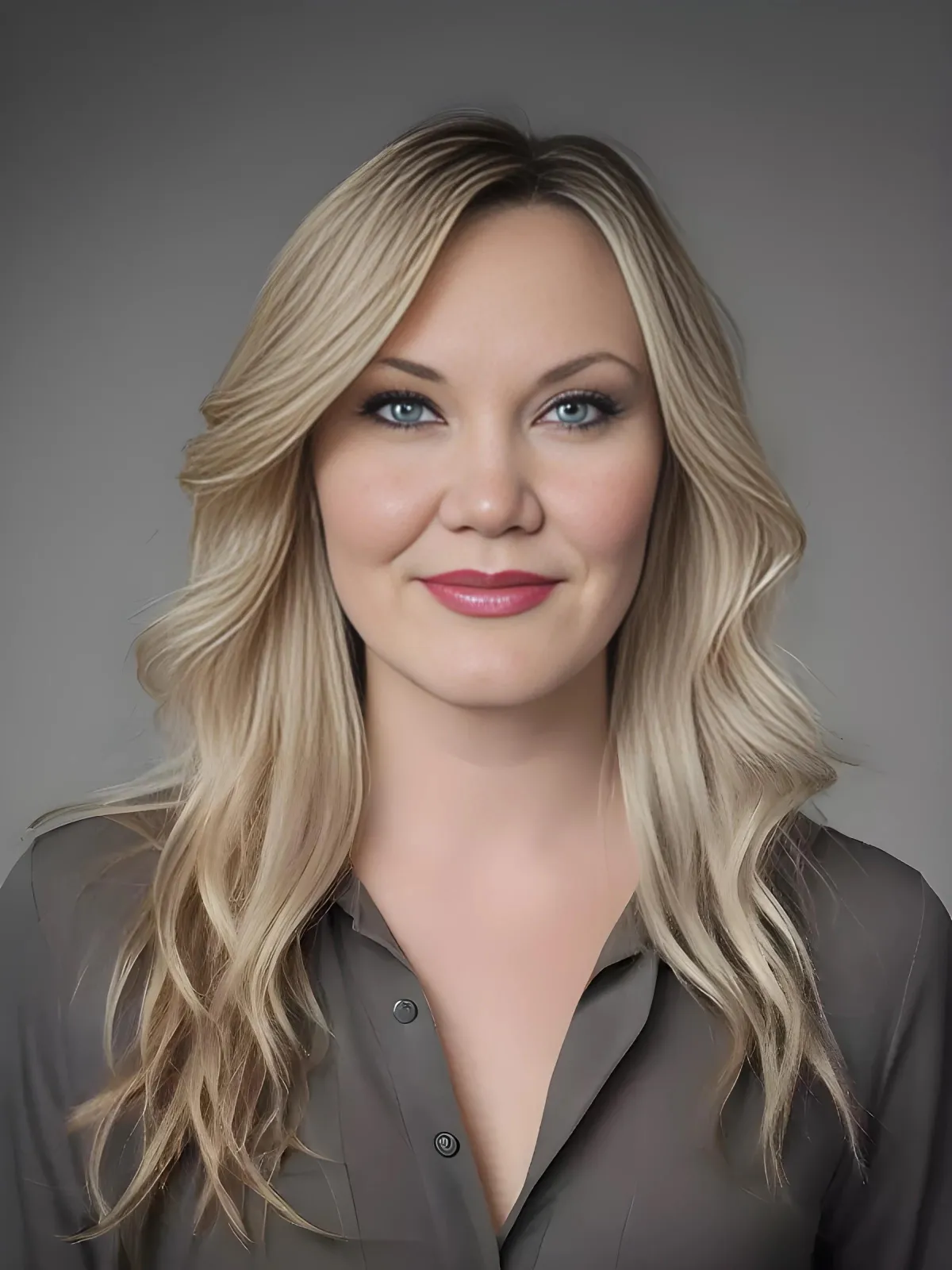
Melanie Warner
Melanie Warner is the host of [Defining Moments where she chats with established experts, corporate leaders, and high-level coaches who are turning their expertise into best-selling books, premium brands, and powerful media platforms. As a media veteran for 4 decades, Melanie walks guests through their own Defining Moments.