Outgrowing Limits: Reinventing Nonprofit Impact With Bethany Toledo McCray
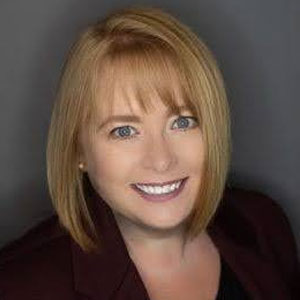
Bethany Toledo McCray is Executive Director of Lighthouse Cove, formerly OADSP, a nonprofit supporting DSPs and Frontline Supervisors through education, recognition, and professional development. A longtime leader in DSP advocacy and workforce development, she has helped establish councils, develop the annual Summit, and present at state and national conferences. Under Bethany’s leadership, Lighthouse Cove has grown into a statewide and increasingly national hub for leadership development, education pathways, and systems-level innovation across the I/DD field.



Here’s a glimpse of what you’ll learn:
[4:57] Bethany Toledo McCray explains why the Ohio Alliance of Direct Support Professionals rebranded as Lighthouse Cove
[6:58] How an outdated organizational identity limited growth, perception, and national reach
[9:33] Supporting people across the full spectrum of intellectual and developmental disabilities
[11:05] Why fear keeps leaders from making necessary organizational changes
[12:11] How nonprofit leaders can identify leverage points by focusing on what is already working
[13:29] Bethany’s approach to building collaboration among nonprofits through complementary strengths
[18:32] How to navigate funding uncertainty and patchwork nonprofit budgets
[21:07] Investing in people, succession planning, and long-term nonprofit sustainability
[23:57] The importance of capturing institutional knowledge through systems, desk manuals, and AI-supported operations
[41:55] The ways Bethany is expanding Lighthouse Cove’s workforce development programs and national impact
About the episode
When an organization outgrows its identity, growth requires more than working harder; it calls for rethinking positioning, partnerships, funding, and sustainable systems. How can nonprofit leaders identify the one lever that helps them scale their impact?
Bethany Toledo McCray’s answer is to look at what is already working and use it as leverage. As a nationally recognized leader in workforce development, advocacy, and nonprofit leadership strategy, she explains how leaders can identify programs that “punch above their weight class” and leverage those strengths to create broader impact. She also shares why organizations must move past fear, collaborate with others, capture institutional knowledge, and think more entrepreneurially in order to sustain their mission. From rebranding and succession planning to workforce pipelines and person-centered support, Bethany shows how nonprofit leaders can scale impact without losing sight of the people they serve.
In this episode of Defining Moments, Melanie Warner chats with Bethany Toledo McCray, Executive Director of Lighthouse Cove, about nonprofit leadership and scaling mission-driven impact. Bethany discusses rebranding after outgrowing an identity, finding leverage points in nonprofit programs, and building sustainable systems through partnerships, workforce development, and strategic growth.
Resources mentioned in this episode:
Quotable Moments:
“The name itself actually started to hold us back.”
“We had actually outgrown our own brand.”
“Our mission wasn’t changing. It was just getting bigger, and it was more inclusive.”
“I would actually flip it, and I would say, look at what is working.”
“Having knowledge only existing within one person’s mind is always dangerous when it comes to the nonprofit world.”
Action Steps:
Identify what is already working: Focusing on high-performing programs helps leaders find leverage points that can create greater impact with existing resources.
Reevaluate your organization’s identity: Ensuring your name, message, and positioning match your mission helps prevent confusion and opens the door to broader growth.
Build strategic partnerships: Collaborating with aligned organizations allows nonprofits to share strengths, resources, and opportunities instead of working in isolation.
Document institutional knowledge: Capturing processes, systems, and key responsibilities protects the organization when team members leave or roles change.
Think entrepreneurially about sustainability: Exploring new programs, services, and funding models helps nonprofits sustain their mission in an unpredictable environment.
Sponsor for this episode...
This episode is brought to you by Defining Moments Press, Inc.
We are a US-based publishing company helping aspiring authors around the world to write, publish, and promote a nonfiction book to elevate their brands, create a meaningful impact, and generate profit in eight weeks or less.
An example of how we help our clients is with Eric Alikpala. He went from earning $100K per year as a coach in his first quarter to doubling his income in Q2, and increasing his income tenfold by Q3 — growing him into a seven-figure author, speaker, coach, and consultant.
Do you have a message that could become a best-selling book and business asset? Defining Moments Press provides the strategy, structure, and coaching to help you get it done quickly and profitably.
Visit mydefiningmoments.com to schedule a strategy call and turn your expertise into a published book and a powerful platform.
If you want to leverage your expertise with a book, check out the 7-Figure Book MethodTM.
Powered by Rise25 Podcast Production Company
Transcript
Intro: 00:00
It's not a path that I chose for myself. It's a path that really chose me. You know, looking back, I started working in the field when I was 19 years old; you know, fresh out of high school. I had my first child when I was 19, and kind of I sound so old when I say this, but back in those days, pregnant girls didn't go to college. And so I went into the workforce, and my first full-time job was working with people with disabilities. And, you know, I didn't go back to school until later in life. And I found my home in the field of disabilities. I really found a place where I could make a difference. And I didn't need to have a degree to start off.
Melanie Warner: 00:42
Welcome to the Defining Moments podcast, where leaders, innovators, and everyday heroes share the moments that changed everything. These are the stories behind resilience, purpose, and legacy. Now let's dive into today's defining moment.
Melanie Warner: 00:58
Hi everyone. Welcome to Defining Moments, the show where we uncover the decisions that change everything. Not the safe choices, not the incremental improvements, but the moments that require you to outgrow who you've been, who you've been, and to become who you're meant to be. I'm Melanie Warner, the founder of Defining Moments Press. I'm the host of the Defining Moments podcast and TV show, where we chat with authors, experts, corporate leaders, high-level coaches, and people who are turning their expertise into best-selling books, premium brands, and powerful media platforms.
This episode is brought to you by Defining Moments Press. We are a US-based publishing company, and we help authors around the world to write, publish, and promote a non-fiction book to elevate their expertise, their brand, and create a meaningful impact and create profit in eight weeks or less. An example of how we did this with one of our clients is Rita Gladding. So this is Rita's book Gavin
Gone now. Rita lost her adult son, Gavin, to a hit-and-run. He was running, training for a marathon, and an impaired driver. A young, teenage impaired driver came along and hit Gavin and left him on the side of the road to die, which was horrible. And Rita discovered that there was a loophole in the California legislature where if you accidentally hit somebody and you leave the scene of the crime and you go sober up, then there was a loophole that was a lesser crime. So he lawyered up, came back, finally admitted what he had done, but had a lesser sentence. And so she realized this was something she needed to redo. So her whole book is really an advocacy for parents who are going through the grief of losing a child, but it almost reads as a how-to book on how to create a foundation, an organization of legacy, and how to get the law changed. When something like that happens to someone you know or love.
And she was just a mom living her life when all this happened. And that was definitely her defining moment. So we love to honor people that are sharing their stories in big ways, and then seeing the action they take and turning that pain into purpose. So thank you so much for being here today. We appreciate it.
And I want to shift to today's guest. I would love to introduce our beautiful, wonderful guest today, Bethany Toledo McCray. Thank you for being here.
Bethany Toledo McCray: 03:29
Thank you for having me, Melanie.
Melanie Warner: 03:32
Absolutely. Now, Bethany, you know, she spent nearly three decades in the nonprofit sector, y'all, and is a nationally recognized leader in workforce development, advocacy and leadership strategy. But what makes her perspective so powerful, and this is why I can't wait to talk to her today, is her ability to identify, leverage the decisions that create disproportionate impact, right? So when you're running a nonprofit or a charity, you still have to find a way to monetize your mission just like Mother Teresa did. And recently, she had to make one of these big decisions herself, walking away from a very well-established brand to step into something bigger.
So, Bethany, welcome. Thank you for being here.
Bethany Toledo McCray: 04:16
Thank you so much for having me, Melanie. It's good to see you.
Melanie Warner: 04:19
You too. Now, we were just in Ohio last week. We were at an event called the Seven Figure Boot Camp, where we were helping people write their books within a few days. And it was amazing to see you there working on your own personal projects. So that was really fun.
And, and really just getting to see people taking action on their dreams. Right? A lot of people say they want to do something, but they don't follow through on it. And I know for you personally, you definitely had a big defining moment in your life. And this was something that happened back in 2024.
So tell us a little bit more about what happened at that moment.
Bethany Toledo McCray: 04:57
Yeah. So the nonprofit that I work with is called Lighthouse Cove. We are a community of practice for IDD professionals. Prior to 2026, we were known as the Ohio Alliance of Direct Support Professionals. And that was kind of condensed down into an acronym O, A, D, S, P.
And if any industry that you're familiar with probably has their own form of alphabet soup. So it's a bunch of acronyms. And, you know, the name itself actually started to hold us back. You know, we were formed to support direct support professionals. Those are front line workers that support individuals with intellectual and developmental disabilities.
And what I learned throughout my career is that in order to support direct support professionals, we had to support frontline supervisors. And then in order to support frontline supervisors, we had to support the administrators and the leaders in the industry. And, you know, it just had a big snowball effect. So we kept building programs to support the next layer of leadership. And then when we stepped back and took a look at what we had built, it was amazing.
Two, it didn't match our name. We had actually outgrown our own brand. And so we spent a couple of years working on who we were. We talked to a lot of different stakeholders and, time and time again, people kept kind of giving us these visuals that we're kind of like a beacon. We are a safe place for people.
You know, there's maybe a shitstorm going on out there, but when they come to one of our events, one of our retreats, they feel like they're in a protected place where they can really learn, grow and develop and get the tools they need to go back out into that storm. And that's how the name Lighthouse Cove came to be.
Melanie Warner: 06:42
Wow. So you were working in this organization, Lighthouse Cove, And you said the name no longer really reflected the scope of your work. Right. So what was the gap between who you were and how you were being perceived?
Bethany Toledo McCray: 06:58
So our full name was the Ohio Alliance of Direct Support Professionals. So first and foremost, it pigeonholed us to Ohio. And I actually do a lot of traveling and a lot of consultation work outside of Ohio. We have people all over the country that utilize our programs. And so when I would travel and talk to people and tell them who we were, that would, you know, just the word Ohio would kind of turn them off.
You know, why do we want someone from Ohio coming in and supporting us? You know, our system looks different. And so that would confuse people. And then there was the fact that we had direct support professionals in our title as well. And that is one segment.
And I will say that probably the most important segment in our industry, that front line workforce. But we have come to support everyone in the intellectual and developmental disability field. So it was really important for people to understand that. We actually had people coming to us and saying, hey, I think this leadership retreat sounds awesome, but my boss thinks it's only for DSPs. And so we would have to arm them with knowledge to go back and be able to speak to the program and how it would benefit them.
And that's just one example of how our name was really holding us back.
Melanie Warner: 08:07
And you say that it's that specifically.
Melanie Warner: 08:10
Designed to help people with developmental disabilities, correct? Yes. And, I was recently in Dubai and I went to an event. I went to this place that was like this amusement park. And when I went in to actually pay for my ticket, they had this sign that said, you know, it said people with determination and there was a discount.
And then it said companions of People with determination. And I thought and I asked them, I said, what does that mean? And they said, this is how we refer to people with disabilities in Dubai, and it became a collective spirit of people getting together and deciding we're not going to call them disabled people anymore. And I love that. And it's called people of determination as a city.
They adopted it and everybody, you know, agreed to it. And it's become like a formal process in their city. And I just felt so inspired by that. When I came back, I thought that was the coolest thing. And have thought about that ever since, because I know so many people that have this label of disability.
And yet I find that there are more of us that are more paralyzed, if you will, by fear than, than a disability per, per se. And so where are you finding in this space the biggest gaps? You know, where people need the most support?
Bethany Toledo McCray: 09:33
So in terms of the people that need support, there are a variety. There's a whole spectrum. You know, a lot of people are familiar with autism and the autism spectrum. There's really an entire spectrum of people with disabilities. There are people that need very little support, maybe some transportation support, you know, some help with learning how to apply for a job and preparing for an interview.
And then there are people on the other end of the spectrum that need support with every facet of their life, help with personal care, you know, getting out into the community. So it's really a wide range. And there is a, there is a real skill set that is needed in order to support people and meet them where they are. And so that's what a lot of our programs do is it helps direct support professionals, frontline supervisors, understand how to assess a situation and support someone in the way they need to be supported. In Ohio, a lot of times we refer to it as person-centered support.
So it's not just, you know, a one-size-fits-all type of support and care. It's really based on what the person needs.
Melanie Warner: 10:37
And you say that there's a certain belief that had to go away right in this process that staying narrowly defined, it protects credibility, but it also could affect , I'm assuming, funding partnerships. You know, now you're shifting this name, this brand, this identity. So there was kind of a risk in doing that. But why do you feel like so many people just stay where they are? Because it's comfortable versus making a big uncomfortable change like this.
Bethany Toledo McCray: 11:05
I think fear holds people back. And, you know, fear of the unknown, fear of how people are going to take what they're doing. A lot of times when people don't understand what's happening, then they, you know, if we were to just change our name and we didn't spend time, you know, talking about it and really preparing people, you know, we essentially spent the entire year of 2025 preparing people for our name change and, you know, making sure that that we were clear that our mission hasn't changed. Our mission is to educate, elevate, and empower ID professionals. What we did was broaden our focus.
You know, before our mission was announced, we educate, elevate and empower direct support professionals. So it was really important to us that people understood our mission wasn't changing. It was just getting bigger and it was more inclusive.
Melanie Warner: 11:56
So if somebody's watching this and they're a leader in an organization and they know that something isn't working, what would you identify as the first step that they could do to take advantage of their highest leverage opportunity right now?
Bethany Toledo McCray: 12:11
So I would actually flip it and I would say, look at what is working. You know, when we talk about leverage, leverage is a mental model. You know, so when you talk about the mental model of leverage, you look at programs and support where you get an outsized impact from the resources that you put into it. Sometimes I like to say, you know, look at your programs that kind of punch above their weight class. So for us, that meant looking at our.
I mean, we're a nonprofit, so we have a lot of programs that, you know, are nonprofit, but we also have some programs and support that help fund and support those other programs that are needed and necessary. But the funding is just not there. So rather than looking at all of those holes and gaps, I encourage people to look at their, their programs that really are, that they, they really have the ability to leverage things that are going well and figure out how they can even better leverage those.
Melanie Warner: 13:06
So you said that you partner with multiple people. What's that process look like as a nonprofit, when you decide to work with somebody else and either endorse what they're doing? Because I find a lot of nonprofits, there are thousands of them, and a lot of them are doing the same things, but they're not collaborating. So how do you decide who to collaborate with, and what are those qualities that you look for?
Bethany Toledo McCray: 13:29
So, you know, my organization is very unique. We're the only organization that does what we do here in Ohio and also really across the country. And so I have a unique perspective where I get to kind of be Switzerland in a way, and take a look at, you know, all of the other nonprofits' profits in our sector and help them see where their leverage points are and maybe where organization A over here is really good at this, but not so good at that. Look at organization B and see what they're really good at, what they're not, and help bring them together so they can learn from one another. And I think that, you know, we, you know, as humans, we tend to want to be protective of what we have.
But it really isn't until we get over that fear and that need that we think we have to protect what we have and open ourselves up, that we can really learn and grow and support one another.
Melanie Warner: 14:21
So when you first started working out in this space, and you were kind of new to the industry, was there a time where you hit a wall or the wheels fell off or you started thinking, I don't know if I'm meant for this. Like, can you share a moment where you felt like you just failed miserably? Maybe it was an event that you planned and no one showed up or you had a fundraising goal that didn't work out, right? Like, can you give us an example of something that didn't go as planned? And then how were you able to take that and, and turn it into something that served your community?
Bethany Toledo McCray: 14:54
Yes, absolutely. So, you know, looking back, I feel that, you know, we vet programs and we vet ourselves through, through filters and we always have people's best interests at heart. And that's not to say, though, that we shouldn't reevaluate programs and strategy moving forward. So I would say about 10 or 12 years ago, we partnered with an organization in Ohio to create a DSP high school program. So that's a program to help train high school students to be direct support professionals and work with people with disabilities.
And again, we were doing this for all of the right reasons. We focused on at-risk youth for this program. So, you know, we're doing that. And, and we came up with a name for the program that we thought was really cool. It was the Community Connections Career Partnership of Ohio.
And don't tell Disney, but we called it C3PO for short. And so people either love the name or they hate the name. But the fact of the matter was, the name didn't do anything to help people understand what the program was and who it was for. And so over the course of about 5 or 6 years, we developed this program, put a lot of energy and effort into it, and it wasn't as successful as we had hoped. And when we really stepped back and we took a look at it, we're like, well, one, a lot of people have no idea what we're doing just because we have a weird name for the program.
And two, we're focusing on at-risk youth. And so we have people with disabilities who are a lot of times segregated, even in schools where they're integrated, there's still a special classroom, a special place, you know, for them to be within that school system. So then you have a group of students that are in a certain program because they're struggling in school, working with a kind of a segregated group of people. And it just didn't produce the results that we thought that it would. Great program, really some great stories that came out of it.
But what we realized is a program like this should be open to everyone. So we actually rebranded that program, and now it's called DSP U. And so by the name itself, that inspires the question, what is DSP? What is a DSP? And it gives us that opportunity to explain it in the past, as C3PO or the Community Connections Career partnership, it would just get dismissed.
People weren't even curious about what that meant. And now the program is open to anyone you know. We want future doctors and lawyers and nurses to be curious about the program, you know, and, and to be able to participate in it because it doesn't matter what you do in your life. Knowing and understanding the people in your community is key.
Melanie Warner: 17:37
Absolutely. I love that idea. I've always believed, I know when my son was younger and learning how to read the only. When I finally realized with my own kids, the only reason they knew how to read is because they had reading buddies. It wasn't that the teachers were sitting down with them anymore and actually teaching them one-on-one how to read, or even in front of the group.
So the accountability partner was another kid from the school that was maybe a few years older than them. And it was such a great model because there were, you know, more kids than teachers. And these young kids felt empowered to know that they could actually help somebody else learn how to read. And it just became this really cool little bonding experience. And so I know that that was a whole program that was set up as a nonprofit in our community.
It worked really well. Where do you see nonprofit leaders staying stuck longer than they should?
Bethany Toledo McCray: 18:32
Oh goodness. That's a really, really good question. I think that, you know, nonprofit leaders can get kind of stuck like a deer in the headlights, especially when it comes to funding and having that fear. And let's just even back up a little bit more with budgets and, and how you can even fund a nonprofit. You know, I say that our budgets are like a patchwork quilt and it's a different quilt every single year because you really have to piece it together.
And, you know, you, you, there is no such thing as guaranteed funding in the nonprofit world. So I think a lot of times people get stuck in this, well, this is working right now and we have funding for this right now. And it's scary to kind of grow and to break out and go this way when we don't know that there's going to be funding for that.
Melanie Warner: 19:20
A lot of nonprofits are relying on grants and or government assistance. And I know like PBS, we work with, you know, PBS and, and a lot of their independent affiliates are owned, as, you know, public television. And they lost a lot of funding and they had to reinvent themselves. So everybody had to kind of get creative with the financing in that space. Even with something that big on a national scale.
How did that affect the loss of funding and, and a lot of the pullback on grants? Did it force you to have to find more donors or get more creative in finding those resources? How did that affect you guys?
Bethany Toledo McCray: 19:56
So it really helped the leaders in my industry come together and really examine, you know, what, what the future will look like if funding really stays tight the way it is now. There are a lot of large programs that are not being funded. So it really has forced us to think strategically. But again, it has brought us all together because we're really looking at it. I'm a part of a federal workgroup Now that's looking at, you know, funding and, and supporting, you know, these nonprofits from, from a different lens.
And that's where kind of the, the conversation comes in that we really have to act as entrepreneurs, we have to hustle, you know, and that's what has become clear to me over the last couple of months is that it's a hustle. You know, you have to figure out how to make it work regardless. You have employees relying on you. You have the people that your mission supports relying on you. So, you know, we have to figure out how, how to, how to exist, how to exist isn't the right word, how to sustain and thrive in an ecosystem that is ever changing.
Melanie Warner: 21:01
What would you say is the biggest challenge facing nonprofits today?
Bethany Toledo McCray: 21:07
I would say that probably the funding is the biggest challenge. Well, I think that nonprofits would probably say that's their biggest challenge. I think that potentially if you look up, if you look under the hood, it might be a little bit, it might be a little different. You know, the diagnosis might be more along the lines of, you know, we have to look at the culture of nonprofits and, and really look at how we're investing in people. A lot of nonprofits were started, you know, they were founded by someone that had a mission.
And then, you know, they grow that nonprofit to a certain point, and then they want to retire. They want their day to day life to look a little different. And they look around and they haven't done succession planning. So there's really not anyone ready to step into that role. And so I think that, you know, really people need to think about what they want their nonprofit to look like in three years, five years, ten years, 20 years, 30 years down the road.
What does it look like when that leader isn't in that seat anymore?
Melanie Warner: 22:09
So what's the biggest inefficiency in the nonprofit ecosystem that nobody's talking about?
Bethany Toledo McCray: 22:18
There are so many different types of nonprofits. So I would say that that's definitely not a one size fits all answer. There are. I don't know, it's just a tough question.
Melanie Warner: 22:31
Yeah. I mean, I would imagine, for example, with AI, you know, if, if, if a lot of nonprofits are relying on volunteers, for example, then I would think the challenge would be finding the right people. And I remember Mother Teresa is the one who said, you can fire a volunteer and here's a woman who's a saint, right? And she said, if you hire somebody and they don't have absolute joy for what they're doing after 90 days, cut them loose. Right?
So she actually was responsible for creating that 90 day policy in a lot of corporate America. So it's funny to see how somebody who created a nonprofit from very little, you know, built it like a business. And I, I find a lot of the nonprofits, if they, if they ran more like a business, if they were more efficient in their process, their systems, their people, if there's more reliability, they function better. But a lot of times they're relying just on volunteers. And so then there's no consistency.
You get to train new people every day. You have to have systems because you've got people coming in all the time and they're learning a new system. You don't have the same people every day doing things. So I would think that that would be a big inefficiency that maybe people aren't talking about. I'm just assuming, you know, depending on how funded they are.
Bethany Toledo McCray: 23:57
And I think you're absolutely right. And, honestly, regardless of whether it's a volunteer or whether it's a paid position, having knowledge only existing within one person's mind is always dangerous when it comes to the nonprofit world. Because if you know Sarah, you know, has to leave. She moves because her husband gets stationed somewhere else. And Sarah has all of this knowledge like that.
Institutional knowledge needs to be captured somewhere. And I think that nonprofits could definitely do a better job, myself included, making sure that we have desk manuals that operationalize the work that we do and AI would be a great tool to use to create those desk manuals.
Melanie Warner: 24:40
So you have SOPs and KPIs like anybody else, just like a corporation would. I would assume like you have an event, you got to sell this many tickets. You've got to hold people accountable for reaching out and, you know, making phone calls and, you know, and leveraging and, and I would say, you know, if you're doing, do you guys do a lot of fundraising events?
Bethany Toledo McCray: 24:59
We do an annual booster campaign and we usually run that campaign 6 to 8 months out of the year. And, and that is if you think of even like a school booster campaign, it's an effort to help Support. Like to create this underpinning of support for all of the work that we do, because there's just not enough money in the grants.
Melanie Warner: 25:17
Yeah. And I, I find that one of the biggest mistakes that I see a lot of nonprofits make is they focus so much effort on one big event a year, not that you guys are doing this, but just from what I see is they and I, I have a lot of clients that are in that space and they focus so much effort and energy on one event, and then all the money goes into catering and the location and all that. And then there's not a lot of fundraising left over. So it's, it's coming up with that strategy of finding people that want to support on a regular basis because their bills aren't paid once a year. They have monthly costs.
So I would think the holy grail in the fundraising space or the nonprofit space is finding those supporters that align with the mission that want to continuously donate time, talent or treasure. Right. That isn't that kind of the goal for everybody if you're relying on, you know, donors as opposed to funding like grants, which are now not as prevalent as they used to be. So I would think that, you know, finding donors that align with the message that can give ongoing support would be a goal for some people. Is that something that you guys are focused on, or how can people support your mission?
Bethany Toledo McCray: 26:34
Yeah. So we focus on programs and services. And, you know, so that's a little bit different. We do some fundraising so we can offer events at, you know, very low cost or even free for the people that we support. But what has really kept us sustainable throughout, I think we were founded in 2003.
So what has kept us sustainable is having programs and, and support that we can provide to other people. And so I think that organizations, when they're looking for those leverage points, what is it that they can do that maybe someone else can't. And I go back to that hustle word. I'm actually writing a book called the nonprofit hustle, which you know that very well. And yeah, so, and it's based on what I've learned over these 30 years.
And so some of the things that we do like to, to help put together that patchwork quilt of our budget, I support other events. So there is a conference every fall, and we have about a thousand people that attend that conference. I partner with three other nonprofit organizations, and one of the things that my organization does for this big conference is we manage the funds. We, we help vet, you know, speakers and we pay the bills for it. And so we're leveraging, you know, some of this knowledge and ability that we have to make that conference successful.
Melanie Warner: 27:54
See, I think that's really smart to do strategic partnerships, collaborations because I do find that there are so many nonprofits that are struggling out there to exist, and they're all doing great things, but they don't know about each other. Like there isn't really some central database like a phone book that you would find like communities. And I find that's a big challenge if people don't know about the options they have. There's nothing really tying them all together to where they can create those kinds of alignment and partnership. So how do you, how do you find the companies that you work with either as vendors or as partners?
Bethany Toledo McCray: 28:35
So you take a look at the people that look at your mission, look at the people, the end result, the people that you're supporting. We're supporting people with disabilities. At the end of the day, you know, we're doing that by educating, elevating, and empowering the people that actually provide that support to them. So we look at what they need. And there are associations for just about every industry, whether it's a for profit or a non-profit, you know, company or organization that we're talking about.
So looking for an association And, you know, so that's like a trade organization that really helps represent, you know, whatever sector you're in and going to their conferences and networking with those people and seeing who the other vendors are and figuring out if there's ways you can partner and work together.
Melanie Warner: 29:19
I love that. I think that's the key. And I know that there's so many people out there who talk about wanting to start a nonprofit, right? It's a dream of theirs. And I also talked to a lot of entrepreneurs and they asked me, you know, I, I want to do this, but should I start it as a for profit or a nonprofit?
And I always joke and say, a lot of entrepreneurs are not nonprofit on purpose, you know, but I always recommend that people start their business for profit first and then create the nonprofit because it becomes an alignment between the two companies. And as you're making more money in your for profit business now, you can naturally help fund your nonprofit, you know, whereas the other way around, you're building a nonprofit, you still need to find funding and donations and everything. And it seems to be a harder lift to get those funded than a traditional business. And maybe I'm assuming, but I'm understanding a little bit more about that marketplace and the people that want to do either or, or both or, or there's people who come from the nonprofit space that decide they want to launch a business. So it's a very different dynamic.
What advice would you give to somebody who is thinking about starting their own non-profit?
Bethany Toledo McCray: 30:34
I would say that they need to do a lot of homework, learn if there are nonprofit organizations out there that are already doing and filling a space that they're looking to fill and, and what does that mean for them? Do they see gaps in those other nonprofits that they might be able to fill? You know, some nonprofits have more work than they can do. And, they would welcome a partnership and they would maybe welcome the opportunity to mentor someone. So I would say, you know, for someone looking to start a nonprofit, to find a mentor in that space and to try to learn from them, pick their brain, find out what the pain points are and what obstacles they might have to overcome.
And then one part, you know, of the kind of the whole ecosystem that can get ignored sometimes is the whole, you know, all states have a governor, you know, there is a funding mechanism for the states. And, you know, states fund different things. You know, they fund services for people with intellectual and developmental disabilities. And so looking into what the political side of, of that, the political climate and just what, you know, how that relates to what they want to do. I mean, I encourage a lot of people that are in the nonprofit space to get into political advocacy, because if they can find some champions, you know, that have the governor's ear or, you know, know people that know people, they might be able to maybe they have a great idea for a school aged program, and they might be able to get funding through that through their state, rather than trying to raise all of those funds.
Melanie Warner: 32:05
That makes sense. So if somebody is an entrepreneur and they already have a business in some of these sectors, what's the best way for them to plug in to support nonprofits or become a provider or a vendor?
Bethany Toledo McCray: 32:18
So I would say networking. Find out, you know what I mean? Look at, look within, what are you passionate about? And you know, are you passionate about helping kids? Are you passionate about helping adults with disabilities?
What inspires you? And then look for a nonprofit that aligns with those values and talk to them. I mean, I will talk to anyone who's looking for, you know, a way to get involved with either my organization or another type of organization in our industry and find out things like time, talent, resources, what they could use? And I think that's another thing that, you know, nonprofits don't do enough of, and that's looking at how they can add value to other nonprofits. Like what, what's some reciprocity that could really be good for, for nonprofits?
You know, I mean, there are things that, you know, that nonprofits are good at. They're things that they're not so good at. So look for those matches.
Melanie Warner: 33:19
I think that makes sense because there's so many people out there that already have solutions. So you almost don't have to create from scratch. You don't have to reinvent the wheel. But it's just like, I find that even in our own community here in California, I mean, there are thousands of nonprofits in our community. And I found that there really isn't a lack of resources.
There's just a lack of awareness. Like people just don't know that these corporations exist, or these companies or these service vendors or even the nonprofits themselves. And so I think definitely getting plugged in and aligning yourself. If you're new to somebody that has a similar goal, maybe it's not competitive, but it's a cooperative space, and then it's like you get a chance to grow together, right? To get to know your community.
And like you said, network and meet other people that could potentially help you build it. Yeah, it's a huge, it's a huge effort. And I just, I commend you for all that you're doing. I know it's not easy because there's other factors that are always in play in politics and restrictions in the industry and how you spend money and how you make decisions and where things have to go. Like it just is a lot to manage.
So I'm glad that you're somebody that enjoys being in that space, you know what I mean? It's a whole different world for me. Like I, I, I volunteer, you know, I've always donated time, talent and treasure to my church or other nonprofits as well. So I can see where people struggle to find good people to help support the vision. So I think this company is very blessed to have you.
I can tell how passionate you are and how committed you are. So congratulations on everything you're doing, all of your success.
Bethany Toledo McCray: 35:09
Thank you. Thank you so much. I love it and you know, it's, it's not a path that I chose for myself. It's a path that really chose me. You know, looking back, I started working in the field when I was 19 years old, you know, fresh out of high school.
I had my first child when I was 19 and kind of I sound so old when I say this, but back in those days, pregnant girls didn't go to college. And so I went into the workforce and I. My first full time job was working with people with disabilities. And, you know, I didn't go back to school until later in life. And I found my home in the field of disabilities.
I really found a place that I could make a difference, and I didn't need to have a pedigree to start off. And, you know, I've had different experiences throughout my career that really have landed me here in this seat today, talking with you. You know, when I, I kind of outgrew my role as a direct support professional and I became the program director for a small, small organization. And then I got involved with volunteering. So just like you're saying, you know, you volunteer sometimes when you volunteer for things, it sucks you in.
So I got sucked into the Ohio Alliance of Direct Support Professionals because I loved what they were about. I wished I had the resources that they were offering when I was doing that frontline work. So I just became really passionate about, you know, arming people with the knowledge that I wish I would have had, which led me to, you know, creating conferences and leadership retreats and, and events to support people that do the work. And it was actually during one of those events, we had a speaker named Rachel Simon. She's a New York Times best selling author.
She authored the book Riding the Bus with My Sister and the Story of Beautiful Girl. And I was so excited to get to meet her and know she was going to be at an event we were hosting. I was like fangirling her before that was even, you know, a popular phrase. And I actually got to sit and work with her, and help her as she was signing autographs for her newest book that had just come out. And through a conversation, she was just like, wow, I could tell you're really passionate.
She's like, I would love to learn more about your work. Do you want to like, maybe, maybe have some tea this afternoon after we're done with this event? I'm like, oh, holy cow. Like this is to me, this is a famous person who asked me to have tea with me. And so we go back.
I take her back to the hotel and we sit in the little hotel restaurant and we have some tea and she asks me about me, not necessarily about my job and what I'm doing. But just about me. And through that conversation, I shared that, you know, when I was in high school, my dad lost his eyesight and, you know, just different things, you know, about, about that. And she was like, oh, so you were a direct support professional and taking care of people before you were ever doing it for a paycheck. And I was like, whoa, I had never thought of it that way before.
And so, so the conversation got a little deeper and she looked at me and she's like, you are a rare bird. You, you think differently. And, and I'm just, I mean, I'm young, you know, I'm like, oh, thank you. And the next week, my, the executive director of the organization said, hey, how did it go when you took Rachel back to her hotel room? And I was like, oh, we had a great conversation.
I was like, she called me a rare bird. And, and Amy, the executive director at the time, said, yeah, I think she's right. And she said, I think I want to talk to you about your future with the organization. And the next week I had a meeting with the board president and with Amy. And they said, we want you to be the next executive director.
And that completely changed the trajectory of my life completely and totally.
Melanie Warner: 39:01
That's amazing. And all from that book. I love that book inspired you. And you got a chance to meet the author. And now her book, just to be clear, was about her sister who had a disability.
Bethany Toledo McCray: 39:13
Yes. Yes.
Melanie Warner: 39:14
So it was about her experience of, of having a sister that had a disability, is that correct?
Bethany Toledo McCray: 39:20
Yes, yes. So Rachel has a sister that has disabilities, and she simply asked Rachel, her sister, if she would ride the bus with her. And so it is a story it was actually turned into, I believe it's a lifetime movie starring Rosie O'Donnell called Riding the Bus with my sister and. And as Rachel rode the bus with her sister, she saw this entire community that her sister had built, and it just really struck her and inspired her to write that book.
Melanie Warner: 39:47
I love that, that is so cool. And I love seeing books inspire people because I'm such a book nerd myself. In fact, I thought it was interesting last week when we were at our book camp, we had a speaker that came in and he spoke about how he's a financial advisor, and he spoke about how he wrote this book, and he grew his business from 3 million to 20 million in annuities using this book and this simple book funnel. And the whole time he spoke, he was there virtually, if you remember, Gary.
Bethany Toledo McCray: 40:13
Yes.
Melanie Warner: 40:14
And no one knew that he was legally blind, that he's visually impaired. And I just, I just am so inspired by stories of people, you know, even people with sight lack vision sometimes and they can hold themselves back. So I was just really impressed with the fact that he figured out, you know, he was able to write a book, build a book funnel, grow his business, and do like 100 podcasts. He sold thousands of books without ever having to leave his house. And he figured out a way to do it and monetize his knowledge.
And I thought that was really cool. So I love seeing other people that can create platforms and opportunities for people like that who may not have otherwise had a chance to do that, you know? And I think that is so fun, I love it. So what does the future of nonprofit leadership look like if leaders actually embrace leverage?
Bethany Toledo McCray: 41:10
I think that leaders can find stability if they look at what their leverage points are, and really focus on what's working. And, and I'm not saying ignore problems, don't try to fix things at all. But when you, when you look at, you know, an organization as a whole, you know, as humans, we tend to want to just fix everything right now, you know, so we really have to be more strategic and we have to know what do we want our organization to look like in three years, five years, ten years, and then kind of reverse engineer that.
Melanie Warner: 41:44
So you said that people were, you know, people always ask, what are you doing? But not where are you going? So let's ask that. Bethany, where are you going?
Bethany Toledo McCray: 41:55
So Lighthouse Cove is going places. And you know, we changed our name so that we wouldn't be pigeonholed to Ohio into one small sector of the nonprofit, you know, space that we are in. So we want to go all over the United States. We want to help people with their workforce challenges. You know, in the field of ID, there have been workforce challenges long before Covid and, and everyone started having trouble hiring.
And so we want to help with those things. You know, we have our high school program that is a real pipeline into the field. But another thing, you know, we're like, we have this great program, but, you know, people get to high school and they have no idea what it is to be a DSP. You have never heard of it before. So we actually just launched a program called Growing Together, and it is a program where we have created a cast of characters that have different types of disabilities, and they meet students in second grade, and these characters are in second grade, and they grow with the students from second grade all the way through eighth grade.
And by the time the students are in eighth grade, they know what a direct support professional is. They know that there are career opportunities. You know, we have nurses in our industry. We have doctors, we have a lot of roles in accounting, finance, you know, all of it. And they also know about programs like Best Buddies and Special Olympics.
And just in general, they build empathy through the program and learn that, you know, we all have different abilities.
Melanie Warner: 43:22
So does your program have something that can help people? Like, for example, if there's a teacher that wants to learn how to work with a neurodivergent child in their class, you know, do you do training for professionals and other people and leaders who want to learn how to work with people that have disabilities?
Bethany Toledo McCray: 43:42
So we actually have an online learning management system and there's a variety of courses available there. We also have licensing programs for our curriculum. And you know, it can be used in, like , the paraprofessional space. I know that that's a big need right now to hire people that maybe they didn't, you know, go to school and get a degree to be a teacher, but maybe they have a degree or they have some college courses under their belt. And, and they, they're very well suited to be a paraprofessional.
And that's someone that works alongside a teacher, but might work specifically with 1 or 2 students at a time that are neurodivergent.
Melanie Warner: 44:19
I think that is so cool. That would be so fun because I know so many people that are struggling as teachers that they don't understand how to work with kids that have an IEP, you know what I mean? And there's more and more kids that are coming into these programs that have special needs in in whether it's visual processing issues, whether it's, you know, neurodivergent, like, you know, from autism or spectrum disorders all the way to personality disorders, mental health issues, like there's, it's becoming like it used to be a minority of people that had issues in schools and now it's becoming a lot more people. And so the teachers don't know in that space what to do or how to support the children. Even the counselors don't always know.
So I would think if you partner with the schools that you know, that there would be alignment there and budgets there in the schools to help with that, to help the students and the teachers be able to create that support for each other better. So yeah, that's an interesting concept. So as you think about where you're headed, where the company is headed, all the different opportunities that are being created with this new rebrand. You know, are you focusing more on national things? Do you also do stuff outside of the US?
Bethany Toledo McCray: 45:38
So we haven't been outside of the US. That would be a great opportunity. I do have some colleagues that have just done some studies outside of the US to really see what other systems look like, and that's something that I would love to do in the future. You know, we've got a very a very good team here in Ohio that can kind of keep the day to day running, because we have a lot of programs here in Ohio, and I have the ability to focus my time, you know, to go out and meet with other state leaders and look at other state departments of developmental disabilities and, you know, look at their systems and and how we can move them forward.
Melanie Warner: 46:12
I think it's really interesting that you grew up as, you know, as a young teenager, and you said your dad lost his sight as when you were in high school. And I have found almost every time I see people that are plugged into a specific nonprofit. Sometimes it seems like a high percentage. There's always a personal story there, something that drives that person to be in that space, whether, you know, they have a relative that passed away of cancer or was sick. I know people that became doctors because there was somebody in their family that had a disease that they couldn't find a solution to.
You know, so many different people that have a personal influence to go into that field. So I think it's interesting that, you know, that you are inspired by these events. And then here you are being this voice and this support for so many people that that wouldn't be able to have, I think about where people would be if this program didn't exist. So thank you for what you do for the servant leadership that you do for so many people. And I know it's an unsung hero because there's a lot of people that probably don't get credit for the work they do behind the scenes for, you know, for all of these people.
So thank you for that. Thank you. Is there anything else you want to add for our audience today?
Bethany Toledo McCray: 47:33
Oh, goodness. I would say for any nonprofit leader out there listening or watching, just know that you are not alone. A lot of times people, you know, we've all heard like it's lonely at the top and it's lonely at the top. If you let it be. Find your people, find your tribe, you know, and, and work together.
And you know, really, you can make so much more progress working with other people than just trying to stay, you know, stay off to yourself, you know, and make a difference, you know, based on just what your mission is.
Melanie Warner: 48:08
Well, I love that and I appreciate everything that you're doing for people. So thank you, Bethany, for being here. So I have a quick just a lightning round of a couple of questions as we kind of wrap up. And then I have our mystery guests coming up. So don't go anywhere, folks.
Oh, okay. So. So what would you say? What's one decision that a leader knows they need to make but keeps putting it off?
Bethany Toledo McCray: 48:34
Having a tough conversation with the team member that's not performing or someone that's not living up to their potential or expectations. You know, a lot of times, you know, the nonprofit world or just just business in general, people tend to avoid having those tough conversations.
Melanie Warner: 48:51
And if someone feels like their organization has outgrown its identity, whether they're for profit or nonprofit, what's the first step to realigning it?
Bethany Toledo McCray: 48:59
Oh, talk to people. Ask people what thoughts and feelings they have when they think of your organization? You know, say the organization's name and have them, you know, tell you like, like, how do they think of you as an organization and see if that lines up and, and, you know, really, really look at your organization or your company as an outsider.
Melanie Warner: 49:23
That is good advice. Thank you very much. I appreciate you being here. And what I want to do for a second is jump into one of my favorite parts of our show, where we get to talk about a mystery guest. Now we're going to share a story with somebody, and you guys can try to guess who it is that we're talking about.
And you may know. So Bethany, if you know, don't, don't, don't blow it. I'm just kidding. You probably know the person here, but I'm curious if we all hear about the success, right? But we rarely ever hear how things got started.
And so this particular woman, she made a promise. And not to investors, not to a board, not to a strategy, but to her sister. Her sister was dying of breast cancer. And in her final days, she asked her to do something simple but impossible. She said, promise me you'll do everything you can to end this disease.
And at that time, there was no playbook for what that meant. And then her sister, her sister passed away, and the woman took another year of mourning. She took another year of mourning to really honor her sister before she took action. And boy, did she. And at the time, there was no organization that did cancer research or any of these things.
Breast cancer wasn't openly talked about. It was kind of a woman's disease and anything that had anything to do with lady parts, nobody talked about. Right. Funding was limited, awareness was almost nonexistent. And this woman, she wasn't stepping into a system ready for scale.
She was stepping into a space that didn't even fully exist yet. So she started a small grassroots group. She did local events. She started having conversations that were uncomfortable but necessary. And for years it didn't really go anywhere.
It didn't feel like a global movement. It looked like persistence. It looked like knocking on doors, raising a little bit of money here, small amounts of money there, trying to get people to care about something they didn't even understand. But her defining moment wasn't just the promise she made to her dying sister. It was what came after because she had a choice.
I can either build something small that's manageable and familiar, or I can build something that has such a vision bold enough to match the promise that she actually made, and that required her to think differently, not just as an advocate, but as a builder of a movement. And she introduced something simple but powerful: the pink ribbon, a symbol that people could rally around, a way to take something complex and make it visible, shareable, and scalable. That really showed the community and everybody in the neighborhood that there was a woman on the block that was struggling with cancer. And it was this pink ribbon that was this silent message that was such a small thing, but said so much and I'm getting goosebumps. And that's when everything shifted because she stopped trying to grow awareness, one conversation at a time.
And she created a movement that people could belong to. And that is the defining moment of Nancy Brinker. Behind the movement that became the Susan G. Komen Foundation, a global force that has raised billions of dollars for cancer research that has changed cancer forever and brought a once silent disease into the public conversation. Because sometimes impact doesn't come from doing more.
It comes from finding the one lever that changes everything. And I can honestly say, there are people in my life that are alive today because of Susan G. Komen and Nancy Brinker, so I think Nancy and Susan and I honor Susan and thank Nancy for her dedication, because there are so many millions of people whose wives, mothers, sisters and daughters are alive today that when we get those diagnosis, those the the C-word diagnosis of cancer that used to be an absolute death sentence because of the determination and passion and purpose behind women like Susan G. Komen and Nancy Brinker, who made the commitment to her sister. This is what makes the difference.
And this is where one woman or one person can make a huge difference. So, Bethany, I want to thank you for the difference that you're making to people with disabilities silently, privately, and out there in the public when you do all these events and, and help fund, raise money for your organization. This is what's so powerful about the story that she didn't just work harder to solve the problem, she found a way to scale the impact. And when you think about your own work, Bethany, you know, and how much about leadership is doing more and how much of it is about identifying that one lever that changes everything. So I want to thank you so much for being here today, for sharing your inspiring story.
For sharing your defining moment with us and all of you that are watching and listening. Thank you for being here. If you haven't done it, please take a second and subscribe so we can continue to bring these kinds of interviews that are insightful and inspiring. I hope that you guys have been entertained and inspired today, and we appreciate you so much, and we'll see you next time. All right.
Take care, everyone. Bye. Thank you, Beth.
Bethany Toledo McCray: 54:58
Thank you.
Outro: 54:59
Thanks for listening to the Defining Moments podcast. We'll see you again next time. And be sure to click subscribe to get future episodes.
Bethany Toledo McCray is Executive Director of Lighthouse Cove, formerly OADSP, a nonprofit supporting DSPs and Frontline Supervisors through education, recognition, and professional development. A longtime leader in DSP advocacy and workforce development, she has helped establish councils, develop the annual Summit, and present at state and national conferences. Under Bethany’s leadership, Lighthouse Cove has grown into a statewide and increasingly national hub for leadership development, education pathways, and systems-level innovation across the I/DD field.
Meet the Host
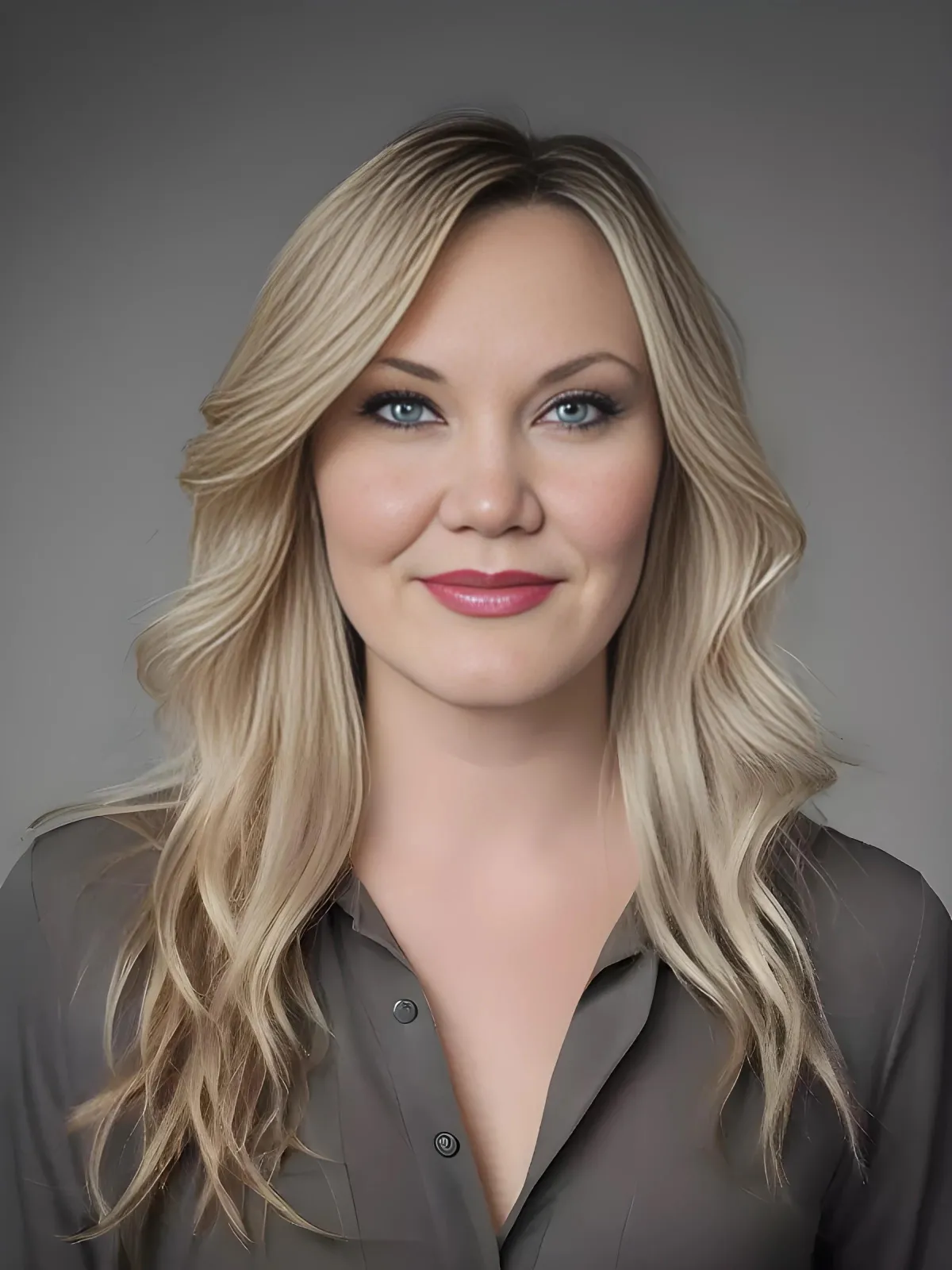
Melanie Warner
Melanie Warner is the host of [Defining Moments where she chats with established experts, corporate leaders, and high-level coaches who are turning their expertise into best-selling books, premium brands, and powerful media platforms. As a media veteran for 4 decades, Melanie walks guests through their own Defining Moments.



Here’s a glimpse of what you’ll learn:
[4:57] Bethany Toledo McCray explains why the Ohio Alliance of Direct Support Professionals rebranded as Lighthouse Cove
[6:58] How an outdated organizational identity limited growth, perception, and national reach
[9:33] Supporting people across the full spectrum of intellectual and developmental disabilities
[11:05] Why fear keeps leaders from making necessary organizational changes
[12:11] How nonprofit leaders can identify leverage points by focusing on what is already working
[13:29] Bethany’s approach to building collaboration among nonprofits through complementary strengths
[18:32] How to navigate funding uncertainty and patchwork nonprofit budgets
[21:07] Investing in people, succession planning, and long-term nonprofit sustainability
[23:57] The importance of capturing institutional knowledge through systems, desk manuals, and AI-supported operations
[41:55] The ways Bethany is expanding Lighthouse Cove’s workforce development programs and national impact
About the episode
When an organization outgrows its identity, growth requires more than working harder; it calls for rethinking positioning, partnerships, funding, and sustainable systems. How can nonprofit leaders identify the one lever that helps them scale their impact?
Bethany Toledo McCray’s answer is to look at what is already working and use it as leverage. As a nationally recognized leader in workforce development, advocacy, and nonprofit leadership strategy, she explains how leaders can identify programs that “punch above their weight class” and leverage those strengths to create broader impact. She also shares why organizations must move past fear, collaborate with others, capture institutional knowledge, and think more entrepreneurially in order to sustain their mission. From rebranding and succession planning to workforce pipelines and person-centered support, Bethany shows how nonprofit leaders can scale impact without losing sight of the people they serve.
In this episode of Defining Moments, Melanie Warner chats with Bethany Toledo McCray, Executive Director of Lighthouse Cove, about nonprofit leadership and scaling mission-driven impact. Bethany discusses rebranding after outgrowing an identity, finding leverage points in nonprofit programs, and building sustainable systems through partnerships, workforce development, and strategic growth.
Resources mentioned in this episode:
Quotable Moments:
“The name itself actually started to hold us back.”
“We had actually outgrown our own brand.”
“Our mission wasn’t changing. It was just getting bigger, and it was more inclusive.”
“I would actually flip it, and I would say, look at what is working.”
“Having knowledge only existing within one person’s mind is always dangerous when it comes to the nonprofit world.”
Action Steps:
Identify what is already working: Focusing on high-performing programs helps leaders find leverage points that can create greater impact with existing resources.
Reevaluate your organization’s identity: Ensuring your name, message, and positioning match your mission helps prevent confusion and opens the door to broader growth.
Build strategic partnerships: Collaborating with aligned organizations allows nonprofits to share strengths, resources, and opportunities instead of working in isolation.
Document institutional knowledge: Capturing processes, systems, and key responsibilities protects the organization when team members leave or roles change.
Think entrepreneurially about sustainability: Exploring new programs, services, and funding models helps nonprofits sustain their mission in an unpredictable environment.
Sponsor for this episode...
This episode is brought to you by Defining Moments Press, Inc.
We are a US-based publishing company helping aspiring authors around the world to write, publish, and promote a nonfiction book to elevate their brands, create a meaningful impact, and generate profit in eight weeks or less.
An example of how we help our clients is with Eric Alikpala. He went from earning $100K per year as a coach in his first quarter to doubling his income in Q2, and increasing his income tenfold by Q3 — growing him into a seven-figure author, speaker, coach, and consultant.
Do you have a message that could become a best-selling book and business asset? Defining Moments Press provides the strategy, structure, and coaching to help you get it done quickly and profitably.
Visit mydefiningmoments.com to schedule a strategy call and turn your expertise into a published book and a powerful platform.
If you want to leverage your expertise with a book, check out the 7-Figure Book MethodTM.
Powered by Rise25 Podcast Production Company
Episode Transcript
Intro: 00:00
It's not a path that I chose for myself. It's a path that really chose me. You know, looking back, I started working in the field when I was 19 years old; you know, fresh out of high school. I had my first child when I was 19, and kind of I sound so old when I say this, but back in those days, pregnant girls didn't go to college. And so I went into the workforce, and my first full-time job was working with people with disabilities. And, you know, I didn't go back to school until later in life. And I found my home in the field of disabilities. I really found a place where I could make a difference. And I didn't need to have a degree to start off.
Melanie Warner: 00:42
Welcome to the Defining Moments podcast, where leaders, innovators, and everyday heroes share the moments that changed everything. These are the stories behind resilience, purpose, and legacy. Now let's dive into today's defining moment.
Melanie Warner: 00:58
Hi everyone. Welcome to Defining Moments, the show where we uncover the decisions that change everything. Not the safe choices, not the incremental improvements, but the moments that require you to outgrow who you've been, who you've been, and to become who you're meant to be. I'm Melanie Warner, the founder of Defining Moments Press. I'm the host of the Defining Moments podcast and TV show, where we chat with authors, experts, corporate leaders, high-level coaches, and people who are turning their expertise into best-selling books, premium brands, and powerful media platforms.
This episode is brought to you by Defining Moments Press. We are a US-based publishing company, and we help authors around the world to write, publish, and promote a non-fiction book to elevate their expertise, their brand, and create a meaningful impact and create profit in eight weeks or less. An example of how we did this with one of our clients is Rita Gladding. So this is Rita's book Gavin
Gone now. Rita lost her adult son, Gavin, to a hit-and-run. He was running, training for a marathon, and an impaired driver. A young, teenage impaired driver came along and hit Gavin and left him on the side of the road to die, which was horrible. And Rita discovered that there was a loophole in the California legislature where if you accidentally hit somebody and you leave the scene of the crime and you go sober up, then there was a loophole that was a lesser crime. So he lawyered up, came back, finally admitted what he had done, but had a lesser sentence. And so she realized this was something she needed to redo. So her whole book is really an advocacy for parents who are going through the grief of losing a child, but it almost reads as a how-to book on how to create a foundation, an organization of legacy, and how to get the law changed. When something like that happens to someone you know or love.
And she was just a mom living her life when all this happened. And that was definitely her defining moment. So we love to honor people that are sharing their stories in big ways, and then seeing the action they take and turning that pain into purpose. So thank you so much for being here today. We appreciate it.
And I want to shift to today's guest. I would love to introduce our beautiful, wonderful guest today, Bethany Toledo McCray. Thank you for being here.
Bethany Toledo McCray: 03:29
Thank you for having me, Melanie.
Melanie Warner: 03:32
Absolutely. Now, Bethany, you know, she spent nearly three decades in the nonprofit sector, y'all, and is a nationally recognized leader in workforce development, advocacy and leadership strategy. But what makes her perspective so powerful, and this is why I can't wait to talk to her today, is her ability to identify, leverage the decisions that create disproportionate impact, right? So when you're running a nonprofit or a charity, you still have to find a way to monetize your mission just like Mother Teresa did. And recently, she had to make one of these big decisions herself, walking away from a very well-established brand to step into something bigger.
So, Bethany, welcome. Thank you for being here.
Bethany Toledo McCray: 04:16
Thank you so much for having me, Melanie. It's good to see you.
Melanie Warner: 04:19
You too. Now, we were just in Ohio last week. We were at an event called the Seven Figure Boot Camp, where we were helping people write their books within a few days. And it was amazing to see you there working on your own personal projects. So that was really fun.
And, and really just getting to see people taking action on their dreams. Right? A lot of people say they want to do something, but they don't follow through on it. And I know for you personally, you definitely had a big defining moment in your life. And this was something that happened back in 2024.
So tell us a little bit more about what happened at that moment.
Bethany Toledo McCray: 04:57
Yeah. So the nonprofit that I work with is called Lighthouse Cove. We are a community of practice for IDD professionals. Prior to 2026, we were known as the Ohio Alliance of Direct Support Professionals. And that was kind of condensed down into an acronym O, A, D, S, P.
And if any industry that you're familiar with probably has their own form of alphabet soup. So it's a bunch of acronyms. And, you know, the name itself actually started to hold us back. You know, we were formed to support direct support professionals. Those are front line workers that support individuals with intellectual and developmental disabilities.
And what I learned throughout my career is that in order to support direct support professionals, we had to support frontline supervisors. And then in order to support frontline supervisors, we had to support the administrators and the leaders in the industry. And, you know, it just had a big snowball effect. So we kept building programs to support the next layer of leadership. And then when we stepped back and took a look at what we had built, it was amazing.
Two, it didn't match our name. We had actually outgrown our own brand. And so we spent a couple of years working on who we were. We talked to a lot of different stakeholders and, time and time again, people kept kind of giving us these visuals that we're kind of like a beacon. We are a safe place for people.
You know, there's maybe a shitstorm going on out there, but when they come to one of our events, one of our retreats, they feel like they're in a protected place where they can really learn, grow and develop and get the tools they need to go back out into that storm. And that's how the name Lighthouse Cove came to be.
Melanie Warner: 06:42
Wow. So you were working in this organization, Lighthouse Cove, And you said the name no longer really reflected the scope of your work. Right. So what was the gap between who you were and how you were being perceived?
Bethany Toledo McCray: 06:58
So our full name was the Ohio Alliance of Direct Support Professionals. So first and foremost, it pigeonholed us to Ohio. And I actually do a lot of traveling and a lot of consultation work outside of Ohio. We have people all over the country that utilize our programs. And so when I would travel and talk to people and tell them who we were, that would, you know, just the word Ohio would kind of turn them off.
You know, why do we want someone from Ohio coming in and supporting us? You know, our system looks different. And so that would confuse people. And then there was the fact that we had direct support professionals in our title as well. And that is one segment.
And I will say that probably the most important segment in our industry, that front line workforce. But we have come to support everyone in the intellectual and developmental disability field. So it was really important for people to understand that. We actually had people coming to us and saying, hey, I think this leadership retreat sounds awesome, but my boss thinks it's only for DSPs. And so we would have to arm them with knowledge to go back and be able to speak to the program and how it would benefit them.
And that's just one example of how our name was really holding us back.
Melanie Warner: 08:07
And you say that it's that specifically.
Melanie Warner: 08:10
Designed to help people with developmental disabilities, correct? Yes. And, I was recently in Dubai and I went to an event. I went to this place that was like this amusement park. And when I went in to actually pay for my ticket, they had this sign that said, you know, it said people with determination and there was a discount.
And then it said companions of People with determination. And I thought and I asked them, I said, what does that mean? And they said, this is how we refer to people with disabilities in Dubai, and it became a collective spirit of people getting together and deciding we're not going to call them disabled people anymore. And I love that. And it's called people of determination as a city.
They adopted it and everybody, you know, agreed to it. And it's become like a formal process in their city. And I just felt so inspired by that. When I came back, I thought that was the coolest thing. And have thought about that ever since, because I know so many people that have this label of disability.
And yet I find that there are more of us that are more paralyzed, if you will, by fear than, than a disability per, per se. And so where are you finding in this space the biggest gaps? You know, where people need the most support?
Bethany Toledo McCray: 09:33
So in terms of the people that need support, there are a variety. There's a whole spectrum. You know, a lot of people are familiar with autism and the autism spectrum. There's really an entire spectrum of people with disabilities. There are people that need very little support, maybe some transportation support, you know, some help with learning how to apply for a job and preparing for an interview.
And then there are people on the other end of the spectrum that need support with every facet of their life, help with personal care, you know, getting out into the community. So it's really a wide range. And there is a, there is a real skill set that is needed in order to support people and meet them where they are. And so that's what a lot of our programs do is it helps direct support professionals, frontline supervisors, understand how to assess a situation and support someone in the way they need to be supported. In Ohio, a lot of times we refer to it as person-centered support.
So it's not just, you know, a one-size-fits-all type of support and care. It's really based on what the person needs.
Melanie Warner: 10:37
And you say that there's a certain belief that had to go away right in this process that staying narrowly defined, it protects credibility, but it also could affect , I'm assuming, funding partnerships. You know, now you're shifting this name, this brand, this identity. So there was kind of a risk in doing that. But why do you feel like so many people just stay where they are? Because it's comfortable versus making a big uncomfortable change like this.
Bethany Toledo McCray: 11:05
I think fear holds people back. And, you know, fear of the unknown, fear of how people are going to take what they're doing. A lot of times when people don't understand what's happening, then they, you know, if we were to just change our name and we didn't spend time, you know, talking about it and really preparing people, you know, we essentially spent the entire year of 2025 preparing people for our name change and, you know, making sure that that we were clear that our mission hasn't changed. Our mission is to educate, elevate, and empower ID professionals. What we did was broaden our focus.
You know, before our mission was announced, we educate, elevate and empower direct support professionals. So it was really important to us that people understood our mission wasn't changing. It was just getting bigger and it was more inclusive.
Melanie Warner: 11:56
So if somebody's watching this and they're a leader in an organization and they know that something isn't working, what would you identify as the first step that they could do to take advantage of their highest leverage opportunity right now?
Bethany Toledo McCray: 12:11
So I would actually flip it and I would say, look at what is working. You know, when we talk about leverage, leverage is a mental model. You know, so when you talk about the mental model of leverage, you look at programs and support where you get an outsized impact from the resources that you put into it. Sometimes I like to say, you know, look at your programs that kind of punch above their weight class. So for us, that meant looking at our.
I mean, we're a nonprofit, so we have a lot of programs that, you know, are nonprofit, but we also have some programs and support that help fund and support those other programs that are needed and necessary. But the funding is just not there. So rather than looking at all of those holes and gaps, I encourage people to look at their, their programs that really are, that they, they really have the ability to leverage things that are going well and figure out how they can even better leverage those.
Melanie Warner: 13:06
So you said that you partner with multiple people. What's that process look like as a nonprofit, when you decide to work with somebody else and either endorse what they're doing? Because I find a lot of nonprofits, there are thousands of them, and a lot of them are doing the same things, but they're not collaborating. So how do you decide who to collaborate with, and what are those qualities that you look for?
Bethany Toledo McCray: 13:29
So, you know, my organization is very unique. We're the only organization that does what we do here in Ohio and also really across the country. And so I have a unique perspective where I get to kind of be Switzerland in a way, and take a look at, you know, all of the other nonprofits' profits in our sector and help them see where their leverage points are and maybe where organization A over here is really good at this, but not so good at that. Look at organization B and see what they're really good at, what they're not, and help bring them together so they can learn from one another. And I think that, you know, we, you know, as humans, we tend to want to be protective of what we have.
But it really isn't until we get over that fear and that need that we think we have to protect what we have and open ourselves up, that we can really learn and grow and support one another.
Melanie Warner: 14:21
So when you first started working out in this space, and you were kind of new to the industry, was there a time where you hit a wall or the wheels fell off or you started thinking, I don't know if I'm meant for this. Like, can you share a moment where you felt like you just failed miserably? Maybe it was an event that you planned and no one showed up or you had a fundraising goal that didn't work out, right? Like, can you give us an example of something that didn't go as planned? And then how were you able to take that and, and turn it into something that served your community?
Bethany Toledo McCray: 14:54
Yes, absolutely. So, you know, looking back, I feel that, you know, we vet programs and we vet ourselves through, through filters and we always have people's best interests at heart. And that's not to say, though, that we shouldn't reevaluate programs and strategy moving forward. So I would say about 10 or 12 years ago, we partnered with an organization in Ohio to create a DSP high school program. So that's a program to help train high school students to be direct support professionals and work with people with disabilities.
And again, we were doing this for all of the right reasons. We focused on at-risk youth for this program. So, you know, we're doing that. And, and we came up with a name for the program that we thought was really cool. It was the Community Connections Career Partnership of Ohio.
And don't tell Disney, but we called it C3PO for short. And so people either love the name or they hate the name. But the fact of the matter was, the name didn't do anything to help people understand what the program was and who it was for. And so over the course of about 5 or 6 years, we developed this program, put a lot of energy and effort into it, and it wasn't as successful as we had hoped. And when we really stepped back and we took a look at it, we're like, well, one, a lot of people have no idea what we're doing just because we have a weird name for the program.
And two, we're focusing on at-risk youth. And so we have people with disabilities who are a lot of times segregated, even in schools where they're integrated, there's still a special classroom, a special place, you know, for them to be within that school system. So then you have a group of students that are in a certain program because they're struggling in school, working with a kind of a segregated group of people. And it just didn't produce the results that we thought that it would. Great program, really some great stories that came out of it.
But what we realized is a program like this should be open to everyone. So we actually rebranded that program, and now it's called DSP U. And so by the name itself, that inspires the question, what is DSP? What is a DSP? And it gives us that opportunity to explain it in the past, as C3PO or the Community Connections Career partnership, it would just get dismissed.
People weren't even curious about what that meant. And now the program is open to anyone you know. We want future doctors and lawyers and nurses to be curious about the program, you know, and, and to be able to participate in it because it doesn't matter what you do in your life. Knowing and understanding the people in your community is key.
Melanie Warner: 17:37
Absolutely. I love that idea. I've always believed, I know when my son was younger and learning how to read the only. When I finally realized with my own kids, the only reason they knew how to read is because they had reading buddies. It wasn't that the teachers were sitting down with them anymore and actually teaching them one-on-one how to read, or even in front of the group.
So the accountability partner was another kid from the school that was maybe a few years older than them. And it was such a great model because there were, you know, more kids than teachers. And these young kids felt empowered to know that they could actually help somebody else learn how to read. And it just became this really cool little bonding experience. And so I know that that was a whole program that was set up as a nonprofit in our community.
It worked really well. Where do you see nonprofit leaders staying stuck longer than they should?
Bethany Toledo McCray: 18:32
Oh goodness. That's a really, really good question. I think that, you know, nonprofit leaders can get kind of stuck like a deer in the headlights, especially when it comes to funding and having that fear. And let's just even back up a little bit more with budgets and, and how you can even fund a nonprofit. You know, I say that our budgets are like a patchwork quilt and it's a different quilt every single year because you really have to piece it together.
And, you know, you, you, there is no such thing as guaranteed funding in the nonprofit world. So I think a lot of times people get stuck in this, well, this is working right now and we have funding for this right now. And it's scary to kind of grow and to break out and go this way when we don't know that there's going to be funding for that.
Melanie Warner: 19:20
A lot of nonprofits are relying on grants and or government assistance. And I know like PBS, we work with, you know, PBS and, and a lot of their independent affiliates are owned, as, you know, public television. And they lost a lot of funding and they had to reinvent themselves. So everybody had to kind of get creative with the financing in that space. Even with something that big on a national scale.
How did that affect the loss of funding and, and a lot of the pullback on grants? Did it force you to have to find more donors or get more creative in finding those resources? How did that affect you guys?
Bethany Toledo McCray: 19:56
So it really helped the leaders in my industry come together and really examine, you know, what, what the future will look like if funding really stays tight the way it is now. There are a lot of large programs that are not being funded. So it really has forced us to think strategically. But again, it has brought us all together because we're really looking at it. I'm a part of a federal workgroup Now that's looking at, you know, funding and, and supporting, you know, these nonprofits from, from a different lens.
And that's where kind of the, the conversation comes in that we really have to act as entrepreneurs, we have to hustle, you know, and that's what has become clear to me over the last couple of months is that it's a hustle. You know, you have to figure out how to make it work regardless. You have employees relying on you. You have the people that your mission supports relying on you. So, you know, we have to figure out how, how to, how to exist, how to exist isn't the right word, how to sustain and thrive in an ecosystem that is ever changing.
Melanie Warner: 21:01
What would you say is the biggest challenge facing nonprofits today?
Bethany Toledo McCray: 21:07
I would say that probably the funding is the biggest challenge. Well, I think that nonprofits would probably say that's their biggest challenge. I think that potentially if you look up, if you look under the hood, it might be a little bit, it might be a little different. You know, the diagnosis might be more along the lines of, you know, we have to look at the culture of nonprofits and, and really look at how we're investing in people. A lot of nonprofits were started, you know, they were founded by someone that had a mission.
And then, you know, they grow that nonprofit to a certain point, and then they want to retire. They want their day to day life to look a little different. And they look around and they haven't done succession planning. So there's really not anyone ready to step into that role. And so I think that, you know, really people need to think about what they want their nonprofit to look like in three years, five years, ten years, 20 years, 30 years down the road.
What does it look like when that leader isn't in that seat anymore?
Melanie Warner: 22:09
So what's the biggest inefficiency in the nonprofit ecosystem that nobody's talking about?
Bethany Toledo McCray: 22:18
There are so many different types of nonprofits. So I would say that that's definitely not a one size fits all answer. There are. I don't know, it's just a tough question.
Melanie Warner: 22:31
Yeah. I mean, I would imagine, for example, with AI, you know, if, if, if a lot of nonprofits are relying on volunteers, for example, then I would think the challenge would be finding the right people. And I remember Mother Teresa is the one who said, you can fire a volunteer and here's a woman who's a saint, right? And she said, if you hire somebody and they don't have absolute joy for what they're doing after 90 days, cut them loose. Right?
So she actually was responsible for creating that 90 day policy in a lot of corporate America. So it's funny to see how somebody who created a nonprofit from very little, you know, built it like a business. And I, I find a lot of the nonprofits, if they, if they ran more like a business, if they were more efficient in their process, their systems, their people, if there's more reliability, they function better. But a lot of times they're relying just on volunteers. And so then there's no consistency.
You get to train new people every day. You have to have systems because you've got people coming in all the time and they're learning a new system. You don't have the same people every day doing things. So I would think that that would be a big inefficiency that maybe people aren't talking about. I'm just assuming, you know, depending on how funded they are.
Bethany Toledo McCray: 23:57
And I think you're absolutely right. And, honestly, regardless of whether it's a volunteer or whether it's a paid position, having knowledge only existing within one person's mind is always dangerous when it comes to the nonprofit world. Because if you know Sarah, you know, has to leave. She moves because her husband gets stationed somewhere else. And Sarah has all of this knowledge like that.
Institutional knowledge needs to be captured somewhere. And I think that nonprofits could definitely do a better job, myself included, making sure that we have desk manuals that operationalize the work that we do and AI would be a great tool to use to create those desk manuals.
Melanie Warner: 24:40
So you have SOPs and KPIs like anybody else, just like a corporation would. I would assume like you have an event, you got to sell this many tickets. You've got to hold people accountable for reaching out and, you know, making phone calls and, you know, and leveraging and, and I would say, you know, if you're doing, do you guys do a lot of fundraising events?
Bethany Toledo McCray: 24:59
We do an annual booster campaign and we usually run that campaign 6 to 8 months out of the year. And, and that is if you think of even like a school booster campaign, it's an effort to help Support. Like to create this underpinning of support for all of the work that we do, because there's just not enough money in the grants.
Melanie Warner: 25:17
Yeah. And I, I find that one of the biggest mistakes that I see a lot of nonprofits make is they focus so much effort on one big event a year, not that you guys are doing this, but just from what I see is they and I, I have a lot of clients that are in that space and they focus so much effort and energy on one event, and then all the money goes into catering and the location and all that. And then there's not a lot of fundraising left over. So it's, it's coming up with that strategy of finding people that want to support on a regular basis because their bills aren't paid once a year. They have monthly costs.
So I would think the holy grail in the fundraising space or the nonprofit space is finding those supporters that align with the mission that want to continuously donate time, talent or treasure. Right. That isn't that kind of the goal for everybody if you're relying on, you know, donors as opposed to funding like grants, which are now not as prevalent as they used to be. So I would think that, you know, finding donors that align with the message that can give ongoing support would be a goal for some people. Is that something that you guys are focused on, or how can people support your mission?
Bethany Toledo McCray: 26:34
Yeah. So we focus on programs and services. And, you know, so that's a little bit different. We do some fundraising so we can offer events at, you know, very low cost or even free for the people that we support. But what has really kept us sustainable throughout, I think we were founded in 2003.
So what has kept us sustainable is having programs and, and support that we can provide to other people. And so I think that organizations, when they're looking for those leverage points, what is it that they can do that maybe someone else can't. And I go back to that hustle word. I'm actually writing a book called the nonprofit hustle, which you know that very well. And yeah, so, and it's based on what I've learned over these 30 years.
And so some of the things that we do like to, to help put together that patchwork quilt of our budget, I support other events. So there is a conference every fall, and we have about a thousand people that attend that conference. I partner with three other nonprofit organizations, and one of the things that my organization does for this big conference is we manage the funds. We, we help vet, you know, speakers and we pay the bills for it. And so we're leveraging, you know, some of this knowledge and ability that we have to make that conference successful.
Melanie Warner: 27:54
See, I think that's really smart to do strategic partnerships, collaborations because I do find that there are so many nonprofits that are struggling out there to exist, and they're all doing great things, but they don't know about each other. Like there isn't really some central database like a phone book that you would find like communities. And I find that's a big challenge if people don't know about the options they have. There's nothing really tying them all together to where they can create those kinds of alignment and partnership. So how do you, how do you find the companies that you work with either as vendors or as partners?
Bethany Toledo McCray: 28:35
So you take a look at the people that look at your mission, look at the people, the end result, the people that you're supporting. We're supporting people with disabilities. At the end of the day, you know, we're doing that by educating, elevating, and empowering the people that actually provide that support to them. So we look at what they need. And there are associations for just about every industry, whether it's a for profit or a non-profit, you know, company or organization that we're talking about.
So looking for an association And, you know, so that's like a trade organization that really helps represent, you know, whatever sector you're in and going to their conferences and networking with those people and seeing who the other vendors are and figuring out if there's ways you can partner and work together.
Melanie Warner: 29:19
I love that. I think that's the key. And I know that there's so many people out there who talk about wanting to start a nonprofit, right? It's a dream of theirs. And I also talked to a lot of entrepreneurs and they asked me, you know, I, I want to do this, but should I start it as a for profit or a nonprofit?
And I always joke and say, a lot of entrepreneurs are not nonprofit on purpose, you know, but I always recommend that people start their business for profit first and then create the nonprofit because it becomes an alignment between the two companies. And as you're making more money in your for profit business now, you can naturally help fund your nonprofit, you know, whereas the other way around, you're building a nonprofit, you still need to find funding and donations and everything. And it seems to be a harder lift to get those funded than a traditional business. And maybe I'm assuming, but I'm understanding a little bit more about that marketplace and the people that want to do either or, or both or, or there's people who come from the nonprofit space that decide they want to launch a business. So it's a very different dynamic.
What advice would you give to somebody who is thinking about starting their own non-profit?
Bethany Toledo McCray: 30:34
I would say that they need to do a lot of homework, learn if there are nonprofit organizations out there that are already doing and filling a space that they're looking to fill and, and what does that mean for them? Do they see gaps in those other nonprofits that they might be able to fill? You know, some nonprofits have more work than they can do. And, they would welcome a partnership and they would maybe welcome the opportunity to mentor someone. So I would say, you know, for someone looking to start a nonprofit, to find a mentor in that space and to try to learn from them, pick their brain, find out what the pain points are and what obstacles they might have to overcome.
And then one part, you know, of the kind of the whole ecosystem that can get ignored sometimes is the whole, you know, all states have a governor, you know, there is a funding mechanism for the states. And, you know, states fund different things. You know, they fund services for people with intellectual and developmental disabilities. And so looking into what the political side of, of that, the political climate and just what, you know, how that relates to what they want to do. I mean, I encourage a lot of people that are in the nonprofit space to get into political advocacy, because if they can find some champions, you know, that have the governor's ear or, you know, know people that know people, they might be able to maybe they have a great idea for a school aged program, and they might be able to get funding through that through their state, rather than trying to raise all of those funds.
Melanie Warner: 32:05
That makes sense. So if somebody is an entrepreneur and they already have a business in some of these sectors, what's the best way for them to plug in to support nonprofits or become a provider or a vendor?
Bethany Toledo McCray: 32:18
So I would say networking. Find out, you know what I mean? Look at, look within, what are you passionate about? And you know, are you passionate about helping kids? Are you passionate about helping adults with disabilities?
What inspires you? And then look for a nonprofit that aligns with those values and talk to them. I mean, I will talk to anyone who's looking for, you know, a way to get involved with either my organization or another type of organization in our industry and find out things like time, talent, resources, what they could use? And I think that's another thing that, you know, nonprofits don't do enough of, and that's looking at how they can add value to other nonprofits. Like what, what's some reciprocity that could really be good for, for nonprofits?
You know, I mean, there are things that, you know, that nonprofits are good at. They're things that they're not so good at. So look for those matches.
Melanie Warner: 33:19
I think that makes sense because there's so many people out there that already have solutions. So you almost don't have to create from scratch. You don't have to reinvent the wheel. But it's just like, I find that even in our own community here in California, I mean, there are thousands of nonprofits in our community. And I found that there really isn't a lack of resources.
There's just a lack of awareness. Like people just don't know that these corporations exist, or these companies or these service vendors or even the nonprofits themselves. And so I think definitely getting plugged in and aligning yourself. If you're new to somebody that has a similar goal, maybe it's not competitive, but it's a cooperative space, and then it's like you get a chance to grow together, right? To get to know your community.
And like you said, network and meet other people that could potentially help you build it. Yeah, it's a huge, it's a huge effort. And I just, I commend you for all that you're doing. I know it's not easy because there's other factors that are always in play in politics and restrictions in the industry and how you spend money and how you make decisions and where things have to go. Like it just is a lot to manage.
So I'm glad that you're somebody that enjoys being in that space, you know what I mean? It's a whole different world for me. Like I, I, I volunteer, you know, I've always donated time, talent and treasure to my church or other nonprofits as well. So I can see where people struggle to find good people to help support the vision. So I think this company is very blessed to have you.
I can tell how passionate you are and how committed you are. So congratulations on everything you're doing, all of your success.
Bethany Toledo McCray: 35:09
Thank you. Thank you so much. I love it and you know, it's, it's not a path that I chose for myself. It's a path that really chose me. You know, looking back, I started working in the field when I was 19 years old, you know, fresh out of high school.
I had my first child when I was 19 and kind of I sound so old when I say this, but back in those days, pregnant girls didn't go to college. And so I went into the workforce and I. My first full time job was working with people with disabilities. And, you know, I didn't go back to school until later in life. And I found my home in the field of disabilities.
I really found a place that I could make a difference, and I didn't need to have a pedigree to start off. And, you know, I've had different experiences throughout my career that really have landed me here in this seat today, talking with you. You know, when I, I kind of outgrew my role as a direct support professional and I became the program director for a small, small organization. And then I got involved with volunteering. So just like you're saying, you know, you volunteer sometimes when you volunteer for things, it sucks you in.
So I got sucked into the Ohio Alliance of Direct Support Professionals because I loved what they were about. I wished I had the resources that they were offering when I was doing that frontline work. So I just became really passionate about, you know, arming people with the knowledge that I wish I would have had, which led me to, you know, creating conferences and leadership retreats and, and events to support people that do the work. And it was actually during one of those events, we had a speaker named Rachel Simon. She's a New York Times best selling author.
She authored the book Riding the Bus with My Sister and the Story of Beautiful Girl. And I was so excited to get to meet her and know she was going to be at an event we were hosting. I was like fangirling her before that was even, you know, a popular phrase. And I actually got to sit and work with her, and help her as she was signing autographs for her newest book that had just come out. And through a conversation, she was just like, wow, I could tell you're really passionate.
She's like, I would love to learn more about your work. Do you want to like, maybe, maybe have some tea this afternoon after we're done with this event? I'm like, oh, holy cow. Like this is to me, this is a famous person who asked me to have tea with me. And so we go back.
I take her back to the hotel and we sit in the little hotel restaurant and we have some tea and she asks me about me, not necessarily about my job and what I'm doing. But just about me. And through that conversation, I shared that, you know, when I was in high school, my dad lost his eyesight and, you know, just different things, you know, about, about that. And she was like, oh, so you were a direct support professional and taking care of people before you were ever doing it for a paycheck. And I was like, whoa, I had never thought of it that way before.
And so, so the conversation got a little deeper and she looked at me and she's like, you are a rare bird. You, you think differently. And, and I'm just, I mean, I'm young, you know, I'm like, oh, thank you. And the next week, my, the executive director of the organization said, hey, how did it go when you took Rachel back to her hotel room? And I was like, oh, we had a great conversation.
I was like, she called me a rare bird. And, and Amy, the executive director at the time, said, yeah, I think she's right. And she said, I think I want to talk to you about your future with the organization. And the next week I had a meeting with the board president and with Amy. And they said, we want you to be the next executive director.
And that completely changed the trajectory of my life completely and totally.
Melanie Warner: 39:01
That's amazing. And all from that book. I love that book inspired you. And you got a chance to meet the author. And now her book, just to be clear, was about her sister who had a disability.
Bethany Toledo McCray: 39:13
Yes. Yes.
Melanie Warner: 39:14
So it was about her experience of, of having a sister that had a disability, is that correct?
Bethany Toledo McCray: 39:20
Yes, yes. So Rachel has a sister that has disabilities, and she simply asked Rachel, her sister, if she would ride the bus with her. And so it is a story it was actually turned into, I believe it's a lifetime movie starring Rosie O'Donnell called Riding the Bus with my sister and. And as Rachel rode the bus with her sister, she saw this entire community that her sister had built, and it just really struck her and inspired her to write that book.
Melanie Warner: 39:47
I love that, that is so cool. And I love seeing books inspire people because I'm such a book nerd myself. In fact, I thought it was interesting last week when we were at our book camp, we had a speaker that came in and he spoke about how he's a financial advisor, and he spoke about how he wrote this book, and he grew his business from 3 million to 20 million in annuities using this book and this simple book funnel. And the whole time he spoke, he was there virtually, if you remember, Gary.
Bethany Toledo McCray: 40:13
Yes.
Melanie Warner: 40:14
And no one knew that he was legally blind, that he's visually impaired. And I just, I just am so inspired by stories of people, you know, even people with sight lack vision sometimes and they can hold themselves back. So I was just really impressed with the fact that he figured out, you know, he was able to write a book, build a book funnel, grow his business, and do like 100 podcasts. He sold thousands of books without ever having to leave his house. And he figured out a way to do it and monetize his knowledge.
And I thought that was really cool. So I love seeing other people that can create platforms and opportunities for people like that who may not have otherwise had a chance to do that, you know? And I think that is so fun, I love it. So what does the future of nonprofit leadership look like if leaders actually embrace leverage?
Bethany Toledo McCray: 41:10
I think that leaders can find stability if they look at what their leverage points are, and really focus on what's working. And, and I'm not saying ignore problems, don't try to fix things at all. But when you, when you look at, you know, an organization as a whole, you know, as humans, we tend to want to just fix everything right now, you know, so we really have to be more strategic and we have to know what do we want our organization to look like in three years, five years, ten years, and then kind of reverse engineer that.
Melanie Warner: 41:44
So you said that people were, you know, people always ask, what are you doing? But not where are you going? So let's ask that. Bethany, where are you going?
Bethany Toledo McCray: 41:55
So Lighthouse Cove is going places. And you know, we changed our name so that we wouldn't be pigeonholed to Ohio into one small sector of the nonprofit, you know, space that we are in. So we want to go all over the United States. We want to help people with their workforce challenges. You know, in the field of ID, there have been workforce challenges long before Covid and, and everyone started having trouble hiring.
And so we want to help with those things. You know, we have our high school program that is a real pipeline into the field. But another thing, you know, we're like, we have this great program, but, you know, people get to high school and they have no idea what it is to be a DSP. You have never heard of it before. So we actually just launched a program called Growing Together, and it is a program where we have created a cast of characters that have different types of disabilities, and they meet students in second grade, and these characters are in second grade, and they grow with the students from second grade all the way through eighth grade.
And by the time the students are in eighth grade, they know what a direct support professional is. They know that there are career opportunities. You know, we have nurses in our industry. We have doctors, we have a lot of roles in accounting, finance, you know, all of it. And they also know about programs like Best Buddies and Special Olympics.
And just in general, they build empathy through the program and learn that, you know, we all have different abilities.
Melanie Warner: 43:22
So does your program have something that can help people? Like, for example, if there's a teacher that wants to learn how to work with a neurodivergent child in their class, you know, do you do training for professionals and other people and leaders who want to learn how to work with people that have disabilities?
Bethany Toledo McCray: 43:42
So we actually have an online learning management system and there's a variety of courses available there. We also have licensing programs for our curriculum. And you know, it can be used in, like , the paraprofessional space. I know that that's a big need right now to hire people that maybe they didn't, you know, go to school and get a degree to be a teacher, but maybe they have a degree or they have some college courses under their belt. And, and they, they're very well suited to be a paraprofessional.
And that's someone that works alongside a teacher, but might work specifically with 1 or 2 students at a time that are neurodivergent.
Melanie Warner: 44:19
I think that is so cool. That would be so fun because I know so many people that are struggling as teachers that they don't understand how to work with kids that have an IEP, you know what I mean? And there's more and more kids that are coming into these programs that have special needs in in whether it's visual processing issues, whether it's, you know, neurodivergent, like, you know, from autism or spectrum disorders all the way to personality disorders, mental health issues, like there's, it's becoming like it used to be a minority of people that had issues in schools and now it's becoming a lot more people. And so the teachers don't know in that space what to do or how to support the children. Even the counselors don't always know.
So I would think if you partner with the schools that you know, that there would be alignment there and budgets there in the schools to help with that, to help the students and the teachers be able to create that support for each other better. So yeah, that's an interesting concept. So as you think about where you're headed, where the company is headed, all the different opportunities that are being created with this new rebrand. You know, are you focusing more on national things? Do you also do stuff outside of the US?
Bethany Toledo McCray: 45:38
So we haven't been outside of the US. That would be a great opportunity. I do have some colleagues that have just done some studies outside of the US to really see what other systems look like, and that's something that I would love to do in the future. You know, we've got a very a very good team here in Ohio that can kind of keep the day to day running, because we have a lot of programs here in Ohio, and I have the ability to focus my time, you know, to go out and meet with other state leaders and look at other state departments of developmental disabilities and, you know, look at their systems and and how we can move them forward.
Melanie Warner: 46:12
I think it's really interesting that you grew up as, you know, as a young teenager, and you said your dad lost his sight as when you were in high school. And I have found almost every time I see people that are plugged into a specific nonprofit. Sometimes it seems like a high percentage. There's always a personal story there, something that drives that person to be in that space, whether, you know, they have a relative that passed away of cancer or was sick. I know people that became doctors because there was somebody in their family that had a disease that they couldn't find a solution to.
You know, so many different people that have a personal influence to go into that field. So I think it's interesting that, you know, that you are inspired by these events. And then here you are being this voice and this support for so many people that that wouldn't be able to have, I think about where people would be if this program didn't exist. So thank you for what you do for the servant leadership that you do for so many people. And I know it's an unsung hero because there's a lot of people that probably don't get credit for the work they do behind the scenes for, you know, for all of these people.
So thank you for that. Thank you. Is there anything else you want to add for our audience today?
Bethany Toledo McCray: 47:33
Oh, goodness. I would say for any nonprofit leader out there listening or watching, just know that you are not alone. A lot of times people, you know, we've all heard like it's lonely at the top and it's lonely at the top. If you let it be. Find your people, find your tribe, you know, and, and work together.
And you know, really, you can make so much more progress working with other people than just trying to stay, you know, stay off to yourself, you know, and make a difference, you know, based on just what your mission is.
Melanie Warner: 48:08
Well, I love that and I appreciate everything that you're doing for people. So thank you, Bethany, for being here. So I have a quick just a lightning round of a couple of questions as we kind of wrap up. And then I have our mystery guests coming up. So don't go anywhere, folks.
Oh, okay. So. So what would you say? What's one decision that a leader knows they need to make but keeps putting it off?
Bethany Toledo McCray: 48:34
Having a tough conversation with the team member that's not performing or someone that's not living up to their potential or expectations. You know, a lot of times, you know, the nonprofit world or just just business in general, people tend to avoid having those tough conversations.
Melanie Warner: 48:51
And if someone feels like their organization has outgrown its identity, whether they're for profit or nonprofit, what's the first step to realigning it?
Bethany Toledo McCray: 48:59
Oh, talk to people. Ask people what thoughts and feelings they have when they think of your organization? You know, say the organization's name and have them, you know, tell you like, like, how do they think of you as an organization and see if that lines up and, and, you know, really, really look at your organization or your company as an outsider.
Melanie Warner: 49:23
That is good advice. Thank you very much. I appreciate you being here. And what I want to do for a second is jump into one of my favorite parts of our show, where we get to talk about a mystery guest. Now we're going to share a story with somebody, and you guys can try to guess who it is that we're talking about.
And you may know. So Bethany, if you know, don't, don't, don't blow it. I'm just kidding. You probably know the person here, but I'm curious if we all hear about the success, right? But we rarely ever hear how things got started.
And so this particular woman, she made a promise. And not to investors, not to a board, not to a strategy, but to her sister. Her sister was dying of breast cancer. And in her final days, she asked her to do something simple but impossible. She said, promise me you'll do everything you can to end this disease.
And at that time, there was no playbook for what that meant. And then her sister, her sister passed away, and the woman took another year of mourning. She took another year of mourning to really honor her sister before she took action. And boy, did she. And at the time, there was no organization that did cancer research or any of these things.
Breast cancer wasn't openly talked about. It was kind of a woman's disease and anything that had anything to do with lady parts, nobody talked about. Right. Funding was limited, awareness was almost nonexistent. And this woman, she wasn't stepping into a system ready for scale.
She was stepping into a space that didn't even fully exist yet. So she started a small grassroots group. She did local events. She started having conversations that were uncomfortable but necessary. And for years it didn't really go anywhere.
It didn't feel like a global movement. It looked like persistence. It looked like knocking on doors, raising a little bit of money here, small amounts of money there, trying to get people to care about something they didn't even understand. But her defining moment wasn't just the promise she made to her dying sister. It was what came after because she had a choice.
I can either build something small that's manageable and familiar, or I can build something that has such a vision bold enough to match the promise that she actually made, and that required her to think differently, not just as an advocate, but as a builder of a movement. And she introduced something simple but powerful: the pink ribbon, a symbol that people could rally around, a way to take something complex and make it visible, shareable, and scalable. That really showed the community and everybody in the neighborhood that there was a woman on the block that was struggling with cancer. And it was this pink ribbon that was this silent message that was such a small thing, but said so much and I'm getting goosebumps. And that's when everything shifted because she stopped trying to grow awareness, one conversation at a time.
And she created a movement that people could belong to. And that is the defining moment of Nancy Brinker. Behind the movement that became the Susan G. Komen Foundation, a global force that has raised billions of dollars for cancer research that has changed cancer forever and brought a once silent disease into the public conversation. Because sometimes impact doesn't come from doing more.
It comes from finding the one lever that changes everything. And I can honestly say, there are people in my life that are alive today because of Susan G. Komen and Nancy Brinker, so I think Nancy and Susan and I honor Susan and thank Nancy for her dedication, because there are so many millions of people whose wives, mothers, sisters and daughters are alive today that when we get those diagnosis, those the the C-word diagnosis of cancer that used to be an absolute death sentence because of the determination and passion and purpose behind women like Susan G. Komen and Nancy Brinker, who made the commitment to her sister. This is what makes the difference.
And this is where one woman or one person can make a huge difference. So, Bethany, I want to thank you for the difference that you're making to people with disabilities silently, privately, and out there in the public when you do all these events and, and help fund, raise money for your organization. This is what's so powerful about the story that she didn't just work harder to solve the problem, she found a way to scale the impact. And when you think about your own work, Bethany, you know, and how much about leadership is doing more and how much of it is about identifying that one lever that changes everything. So I want to thank you so much for being here today, for sharing your inspiring story.
For sharing your defining moment with us and all of you that are watching and listening. Thank you for being here. If you haven't done it, please take a second and subscribe so we can continue to bring these kinds of interviews that are insightful and inspiring. I hope that you guys have been entertained and inspired today, and we appreciate you so much, and we'll see you next time. All right.
Take care, everyone. Bye. Thank you, Beth.
Bethany Toledo McCray: 54:58
Thank you.
Outro: 54:59
Thanks for listening to the Defining Moments podcast. We'll see you again next time. And be sure to click subscribe to get future episodes.
Transcript
00:00
Well, here's something that I tell a lot of young people. If you have a job and you don't like what you're doing, quit doing it and go find something to do every day when you go to work, you're having fun. Don't stay at a job that you're miserable at because life is short. Go find something that you love to do every single day. And guess what?
If you love it, the money's going to find its way into your pocket because you're going to be the best at what you do. If you love what you do.
Intro: 00:39
Welcome to the Defining Moments podcast, where leaders, innovators, and everyday heroes share the moments that changed everything. These are the stories behind resilience, purpose, and legacy. Now let's dive into today's defining moment.
Melanie Warner: 00:55
Hi everyone. Welcome to Defining Moments. Now, most people spend their entire lives trying to build something successful: a company, a title, a reputation. But what happens when you wake up one day and you realize you don't want the thing that you spent decades building? Do you hold on because you've earned it?
Or do you let it go and risk starting over, even at a later stage in life? That's what we're going to be talking about today. But first, I want to thank our sponsor, Defining Moments Press. As the host of Defining Moments, the podcast and TV show, I'm Melanie Warner, and this is where we chat with authors, experts, corporate leaders, high level coaches, business owners, and people who are turning their expertise into best selling books, premium brands, and powerful media platforms. This episode is brought to you by Defining Moments Press.
We are a US based publishing company. We help aspiring authors around the world to write, publish and promote a non-fiction book to elevate their expertise, their brand and create a meaningful impact and create profit in eight weeks or less. An example of how we did this was with one of our clients recently. Her name is Maryna Bilousova from Germany. She wrote a book about learning to love without losing yourself, which is a very common problem with high performing women.
Her book became a number one bestseller. She spoke at the United Nations and was even featured in the USA today. Now she's working with clients all over the world as a global relationship expert, and she did it all within a few months. You can also watch her podcast episode that was featured recently here. So without further ado, I would like to introduce our guest today.
And in this episode, we're going to uncover the decisions that changed everything. Not the highlight reel, not the polished story, not the Insta Facebook gram thing, but the moment when staying the same becomes more painful than changing. And what happens next? Today's guest is someone who has spent a lifetime in the media. Gary Morris Cocola started in broadcasting at just 17 years old, thinking he might become a TV game show host.
I could totally see you doing that, Gary. And decades later, he built his own television station in Fresno, California. But every traditional definition, you know, he had had it made like everybody was like, this is life. And I know people that know you personally, Gary, and they're like, this guy is such a stud. He's got everything that anybody could ever want.
But here's where the story gets interesting. Instead of holding on to the role of CEO of a major media company, instead of managing people and navigating the changing landscape of broadcasting, Gary made a different decision. And this is what we're going to talk about today. So Gary, thank you so much for being here. It's such a great pleasure to have you here.
Gary Cocola: 03:51
Thank you. Melanie, thank you so much. I'm so looking forward to today because as I told you earlier, this is fun.
Melanie Warner:: 03:59
Absolutely. And you and I have known each other for decades. I remember when I was starting my media company, I was in my 20s when I first met Gary. I had my first magazine and then we met. Gosh, it's been at least 25, maybe 30 years.
And you gave me one of the best pieces of advice anybody has given me in business. And I really looked up to you. I remember there were two things when I first met you. Number one, you said, I spent ten years negotiating the air rights. I literally owned the air, and you explained to me what that meant, right?
Like owning the air in the media. And the other thing you said was, never have your bank statements sent to your office, always have them sent to your house because then your bookkeeper can easily hide them from you and do some shady things. And I was so grateful because those two bits of advice have served me well in my own media career. And you have been a big inspiration to me. So I want to thank you for that.
Gary Cocola: 05:00
Well, thank you so much. Well, listen, I've been around a long time, as you know, and I've learned a lot in my lifetime. And Melanie, I'm honest with you. And people say, Gary, how are you? I say, I've never been better because it's the truth.
I mean, at my age, I am having the time of my life and you know why and all about it. But I'm doing something that I love every week here in Monterey now where I live. And it's changed my life immensely. And I've been doing it now for almost three years. And what brought it on was my episode with Covid back three years ago when I almost passed away.
And I decided when I came back that I was going to do something that was going to be fun for the rest of my life. And I was tired of running a broadcast television company. And so now I'm only doing what is fun every Sunday.
Melanie Warner: 05:52
So every Sunday. Tell us more about what you're doing, and also a little bit about your background in broadcasting, because people that way, I think the audience can get context into just how big your company is and was as a media company.
Gary Cocola: 06:09
Let me tell you how it all started. It started about 40 years ago, and my first wife, Diane, said to me one day while I was in the produce business because of my father, she said to me, Gary, you're miserable. You're not having a good time doing what you're doing. And I said, what do you mean, I'm miserable? She said, I can tell every day when you get up in the morning and go to work, you've got a frown on your face.
And when you come home at night, you still have a frown on your face. And I said, really? Didn't know it was that noticeable. She said, well, you're a miserable man. You hate what you're doing.
Well, what I was doing, Melanie was selling produce for my father. I had gotten into the business about probably 15 years earlier, and I was sitting at a desk and I was on the phone, and I was buying and selling produce and selling the product for my father because he grew peaches, plums, nectarines, and table grapes in Fresno and the San Joaquin Valley. And so I was doing the sales for him and his other growers, and I was doing very well, very well financially. It was making darn good money. But what changed was that it was a very difficult day.
Every day when I was on the phone. I wasn't having any fun. In fact, everyone that was in the business, the growers that I was selling the fruit for, the buyers that were buying the fruit, they were all miserable too, because the produce business and this is the truth. If you do a poll, nobody's having a good day. Everyone's miserable.
Well, why is that? Because it's not fun. The growers are unhappy. They're not getting enough money for their product. The.
Melanie Warner:: 07:55
They gotta get up really early too. Oh, yeah. Take care of their crops and feed all the animals on the farm and all that stuff, too.
Gary Cocola: 08:02
Anybody that grows anything is having a really difficult time. It's not an easy thing to do. And because it's perishable and because it's a market of. So the products are basically supply and demand. So when there's little supply, the price is high.
And when there's a lot of supply, the price is low. So the growers aren't getting the kind of money they want for their product. The buyers think they're paying too much. The truckers are not getting loaded when they want to get loaded. They're not getting unloaded when they want to get unloaded.
And I was the guy in the middle. They were all complaining to me every day. So that is why I had a frown on my face. And my wife said, you're a miserable man, and if you're going to be miserable and we were only married six months, she said, I'm not going to be able to stay married to you.
Melanie Warner:: 08:51
Diane, I love Diane. She's. When I met her the first time I met you guys, I remember her. I still to this day, when I think of Merlot, I think of her because she ordered Merlot and she. She asked the waiter, what's the year?
Because only odd year merlots are any good. My whole life I remember and believe that.
Gary Cocola: 09:12
The things about Diane. When I met her, she was a flight attendant for American Airlines. And so we had a great few early years, and then she was the one that said that to me. What would you do, Gary? Because you're miserable.
What would you do every day when you got up in the morning and went to work, you were having fun. And I thought, oh my goodness, what? What would I be doing? Well, you know what? I'd be back in the television business because as you said, I started in TV in Fresno.
At 17 years old, I was doing it. I was co-hosting a TV dance party like Dick Clark's American Bandstand. Fresno had its own TV record hop, and that's how I got into TV. So when you said earlier, I thought that after I stopped doing the TV record hop, I would go down to LA and I would be a TV game show host. And I had an appointment with a very big time agent.
And I went to LA and I met with him, and the first thing he said to me was, how old are you? And I said, well, I'm 22. And he said, where do you want to be when you're 40? And I said, where do I want to be when I'm 40? I don't know where I want to be next week.
He said, well, let me tell you something, Sonny. You want to get into this business. You need to know where you're going to be when you're 40. And if you don't know where you're going to be when you're 40, you don't need to get in this business. I said, why is that?
He said, because there are new, young, very talented people coming into this business every single day. And you know what they do to the old people in this business? They push them right out of the picture. So you better be really, really good. And I'm willing to help you if this is something that you want to do.
And I thought, oh my goodness, you're going to push me out of the picture when I'm 40. Oh I don't think anyone's ever explained it to me like that. And then he said something else that really made a lot of sense to me. He said, Gary, do you want a boss or do you want to be your own boss? I said, oh wow.
Do I want to be a boss? Yeah, I want to be my own boss. You bet. Well, then don't do this. Go find something that you can be your own boss.
And I thought, thank you. You know, I'm going to go back home to Fresno. I was down in LA and I'm going to find the prayer. When I was a little Catholic boy in high school. The prayer I said every day as a senior in class, I'm going to say the Prayer To Know One's Vocation.
And, you know, you can go Google it. It's on Google right now. The prayer to No One's vocation. So I found that prayer and I went home and I started saying it every day. And about three months later, I was visiting my father's office and I saw his salesman.
Now he had a sales guy selling the fruit at that time. Wonderful man. Sid Carnine never forgot him because he became my mentor and taught me how to sell. And he said to me, Gary, you want to sell fruit? Let me tell you, you have to build relationships.
That's how you become a salesperson. You got to build relationships. You got to get to know every single thing that you could ever find out about the person you want to sell to build a dossier on them, find out the names of their kids and their wives and their birthdays and their anniversaries and their hobbies. Just put it all in the book. And then when you call them, just find out more and eventually you will build a relationship with that person you want to sell to.
Well, I got the chance to go into the office with Sid and start selling fruit. And one of the gentlemen that I would call every day, very kind to me, never bought a thing. Sid said to me, you've been talking to that man every day, Gary. And I said, yeah, he's very nice to me. He tells me to call him back.
Okay, Gary, I'm all full up today, but call me on Wednesday. So I called him on Wednesday. He listens to me, quotes all the products and he says, okay, call me on Friday. So he kept doing that for months and months. So finally Sid said, do you know when his birthday is?
And I said, yeah, I got it down right here. He said, well, go buy a birthday card and send that man a birthday card and make sure it gets to his office on his birthday and make sure you know the date of his birthday. And you call him that morning and you wish him a happy birthday. And I said, okay, I'll do that. So comes his birthday.
I call him in the morning. His name was Sam. And I go, hi Sam, it's Gary Cocola. And he goes, Gary, I've been waiting for your call. I've been doing this job for 25 years, and nobody has ever sent me a birthday card on my birthday.
Melanie Warner:: 14:05
You know, and called.
Gary Cocola: 14:07
You got a pencil? I said, yes, sir, write down these orders. And that first day he gave me three loads of product. That's when I say loads. That's a 45 foot van filled with product.
And he gave me an order for three of them, or 4500 boxes of fruit. In fact, how big of an order I had to go out and buy it to fill the vans from others. So that's the day. And then he says on Friday, this is a Wednesday. I called him on Friday.
And guess what? I got another three loads of product. Call me Monday and I got another three loads. Well pretty soon I was out selling my mentor Sid, who was the guy that taught me how to sell. I was getting more orders from Sam at Associated Grocers in Kansas City.
Then Sid was getting from all of his customers. Well, needless to say, within one year I had my own sales company. I was doing so well financially because of Sam. I built an apartment complex in Fresno, and that's how I met my first wife because she was the niece. Diane was my first tenant and that's how we met.
We met at the apartment complex and I asked her for lunch. She said yes, and she was working in downtown Fresno at a bank. And then I said, how about dinner? And a week later we had dinner. And at dinner that night she said, Gary, I'm leaving Fresno.
I'm going to Dallas to become a flight attendant for American Airlines. I said, oh, you're leaving town. We've only had two dates. She said, well, you can come to Dallas. I said, I can, sure, yeah, I have halfway through my classes, halfway through the course, I have a weekend off and you can come and see me.
So I did. I said, I have customers in Fort Worth. It's wonderful. I can write off the trip. So I went to Fort.
I actually went to Dallas, went to Fort Worth to see my customer. We went out to dinner. Well, that second date is actually the third date. Now we're in Dallas, she said. I just found out I'm going to be in New York City, based in New York City.
And I said, oh my goodness, that's a long way from Fresno. She said, well, I can bid for my trips. I can fly to Los Angeles and have layovers. I can fly to San Francisco and have layovers. So we started a two and a half year long distance bicoastal relationship until I proposed.
Two years later, we got married, and that's when she came and moved in with me and said, six months later, you're miserable. You have to find something else to do. And so she said, what would you do if every day you had the opportunity to have fun? Well, I said I'd be back in the broadcasting business. Broadcasting business.
I said, well, yeah, you didn't know me a long time ago. I used to be on TV. She said, so that's what you want to do now? And I said, no, now I want to own a television station right here in Fresno, California. And she goes, what?
How do you do that? And I said, it's impossible. If there was a TV station for sale right now in Fresno, it'd be $5 million. I don't have $5 million. And she said, well, isn't there another way?
I said, well, yeah, there is. You can apply to the FCC, the Federal Communications Commission, and you can apply to get a new channel dropped into the Fresno market, and then you can apply for it. But of course, so can anybody else. That's the United States citizen. And she said, well, I think we should do it because if we don't do it, I'm not going to be able to stay married to you.
Melanie Warner:: 18:04
So miserable.
Gary Cocola: 18:06
We're having dinner with a fellow produce guy from Orlando, Florida, and I know why she said it because he was a very wealthy produce guy from Orlando, big time orange grower. She said, Gary, tell David your idea for the TV station. And David looked at me and he goes, what are you talking about? TV station. I said, well, I've got this idea now you gotta understand the year, Melanie.
It was 1977 because we were married in 76. In fact, I just talked to her not two weeks ago and said, do you realize that if you and I had stayed married, we would have been married 50 years? She goes, oh my God. Anyway, yeah, it was 1976. We got married.
So this is 1977. I'm telling David about my idea. I said, well, what's your idea? I said, well, you know, David, I used to play records on the radio because I was a radio DJ when I was in college. And records are given to radio stations for free.
They don't buy them. The record companies send these records to help promote the artist's music. Well, I see the day when the artists are going to make videos, and those videos could be on a television station, and they could rotate 24 hours a day, and you could do it all with automation. And all you'd need is salespeople to go out and sell the advertising. You wouldn't need a lot of employees like a regular television station has, because you'd just be playing music videos one after the other.
You know, commercials come in about every third or fourth video. And so what my vision was in 1977 was MTV. Well, MTV didn't happen until 1981.
Melanie Warner:: 19:52
I remember I wanted my MTV and they had launched in one market, and then they had to create demand in other markets for it to expand on a national level. So that's the campaign I want for my MTV.
Gary Cocola: 20:06
It came on the air, Melanie in New York City, and they weren't on the cable system in New York when they came on the air, but it just caught fire and went nationwide. And MTV in 1981 turned out to be a phenomenon. Well, we're still talking about 1977. And David. So David says to me, gee, that sounds like a great idea.
Gary. I tell you what, I have a friend in Orlando that owns a TV station. So when I get back to Orlando, I'm going to call him and ask him how he got his TV station. So he does. He calls me probably a week later and he says, Gary, I talked to my friend that has a TV station, and he gave me the name of his lawyer, who's a communications lawyer in Washington, D.C. and he said for you to call him.
So I did. I hung up the phone with David, and I called Washington, D.C., and I got Roy Russo. He was the attorney at the law firm of Canaan Marks. And I said, I'm Gary. He says, oh, Mr. Cachola was waiting for your call.
Now tell me you want a TV station in Fresno, California. And I said, yes. He said, well, I checked and there's no allocations for a TV channel, so we'd have to petition for rulemaking to amend the table of assignments to add a new channel to the Fresno market. But you know, this is a long involved process. Do you ever come to Washington, D.C.?
And I said, as a matter of fact, I'm going to be there in three months for a product convention. Oh, wonderful. Come by my office and we'll talk. So Diane and I went to D.C. we went to the produce convention. We went over to Roy Russo's office at Conan Marks, and he sat down and he said, now, look, you're both young people, because we were way back then.
And he said, this could be a 5 to 10 year project if you really want to do this. And I said, well, Diane wants to stop flying and I want to stop selling produce. So yes, this is something we want to do. And he said, okay, we need to build a case for you to make you and Diane the strongest applicants. And it's not something that's easy.
So let me ask you some questions. Okay. Do you own any broadcast properties right now? And I said no. Do you own any radio or TV stations?
No, not at all. Good, because that's a gold star. If you don't have any broadcast properties, the FCC likes that because of your new fresh blood coming into the business. So that's a preference. So that's good.
All right. Another question. Would you and Diane work at the TV station every day? Oh absolutely. She wants to stop flying.
I want to stop selling produce. Yes. We would work at the station. Good. That's another preference.
Now, thirdly, is there any city around the Fresno area that doesn't have any broadcast station? I said yes. The third largest city in Fresno County. Sanger. 12 miles from Fresno.
No broadcast station. Good. We'll put the channel allocated to Sanger. That's another preference. Now fourth.
Your wife. She's a minority. So let's put everything in her name. She becomes the applicant. Her corporation is the applicant.
That applies to the channel. She's a minority. So there is another preference. So you've got all these preferences. We'll build a very strong case so that if there's other competing applicants, you'll be the strongest applicant and you'll get the grant.
The initial decision to get the construction permit to build the channel in the market, we chose a vacant channel. Channel 59 in Fresno. And so we started the process. And now the kicker is, as I say, Melanie, he said something to me that made a lot of sense. He said to me, now, if at any time, Gary, that I tell you to get out of this proceeding, I will get you all your money back.
And I said, what?
Melanie Warner:: 24:10
Wow.
Gary Cocola: 24:11
Yes, All the money that you pay me, and the engineering will get you the money back, because there'll be another applicant that'll be a stronger applicant that'll want you out of the way, and they will be willing to pay you off to go away. So I'll get you all your money back if this is not meant for you. I said, let's do it. So it cost me $7,500 to start the process in 1977, and it took me seven years.
Melanie Warner:: 24:43
Wow. Those are some lucky numbers.
Gary Cocola: 24:48
To get the grant. But here's how we had to do it. We got to a point when we had gone into the hearings in 198182, and we were the strongest applicant, we had other competing applicants. And so the other competing applicants realized that we were the strongest applicants and we were going to get the grant. So they wanted to get their money back.
So they went to Roy and they said, we want to get paid off to go away. And so Roy said one of them wanted 75,000. The other one wanted 65,000. Well, by that time I was out of money. I had given so much money to the law firm and borrowed here and borrowed there.
I said, Roy, I don't have any more money to pay these guys, but I have an idea. And he said, what's your idea? I said, well, ask them if they'll take a note. I'll give them each a note for what they want, plus interest. And then when I go to finance the TV station, I'll get the money out of that and I'll pay them off and they can go away.
Well, that's exactly what happened. Now, getting the million dollars in 1983 to build the TV station was not easy, Melanie, because I went to ten different banks with a business plan from Price Waterhouse. Fabulous business plan that was based on a video music TV station that had come on the air in Winston-Salem, North Carolina. And the banks all said, no, no, no, no, we're not interested in giving you any million dollars to go build a video music TV station, because our our proforma showed that we were going to lose money for the first three years before we would make a profit with video, music, TV in the Fresno area. Then one day I got a phone call and I said all along, the Lord was.
The Lord was on my shoulder here all the time. I got a phone call from a fella. He said, Hi, Gary, my name's Warren Trombley, and I want to sell you a TV transmitter. And I said, oh, a TV transmitter. I already made a deposit, Warren.
But you know what? You sound like a nice guy. Come on by the office. Let's go to lunch. So we go out to lunch and we're having lunch.
And Warren says to me, Gary, what are you going to do with your TV station? And I said, well, I'm going to do music television like MTV. And then he said to me, well, have you ever thought about doing Christian television? He said, Christian television. He said, yes, Christian television, you know, Pat Robertson, Jimmy Swaggart, Oral Roberts, Jerry Falwell, Jim and Tammy.
I said, no, no, no, no, no. I know I have no interest in doing that. He said, well, Gary, I used to work at a TV station in Albuquerque, New Mexico, and that gentleman signed that station on the air and it was in the black from day one. I said, whoa, seriously? He said, yes.
Melanie Warner:: 28:03
Okay, now I have. Now he has your attention.
Gary Cocola: 28:06
O name, he said, Pastor Blackie Gonzales, the stations in Albuquerque. And I said, can you introduce me to him? And he goes, sure. I said, well, I want to go to Albuquerque and meet that man. So two days later, I'm on an airplane to Albuquerque, and Pastor Blackie Gonzales picks me up at the airport.
He puts his arm around me and he says, my son, I'm going to give you the formula. I said, you're going to give me what? I'm going to give you the formula of how to get your TV station built in Fresno, California. Really? Well how's that?
We're going to go to the office and I'll show you. So we went to his office. This is now before computers. Melanie 19, 1984, I think it was 83 or 84. And he pulls out the general ledger out of the desk drawer, and he shows me that his TV station had made $450,000 the first year it was on the air.
That was in the black. I said, oh my God. And he had a 501 C three nonprofit corporation. Mine was going to be just a regular corporation. Diane's corporation.
But anyway, I said, how did you do that? He said, well, here's the formula. Now next month in Washington, D.C., is the National Religious Broadcasters Convention. You're going to go to that convention. You're going to take a coverage map that you can show them the coverage of your station.
Channel 59. You're going to have my schedule from 6 a.m. till midnight, and you're going to see the ministries played on my station three times a day. There's a morning airplay, there's an afternoon airplay, and there's an evening airplay. And here's what you say to them if you sign up right now on a one year contract with me. I will give you one airplay that you'll pay for, but I will give you two airplays that you don't pay for.
There'll be bonuses. And with that, they signed up and I had a half $1 million in contracts in three days at the National Religious Broadcasters Convention. I took those contracts to the bank in Fresno that had turned me down. And I got a million dollars to build the station. And seven months later, we signed on the air.
Channel 59 in Fresno as a Christian television station in the black. Day one. Just like Pastor Gonzales had said to me.
So look at the value of this mentorship. Like not only like what they taught you, but you're like you talking about this today. There are people listening that are probably wondering, how could they do this now? How could they build a linear TV station? How could they do a streaming platform like all of these things?
It's so funny because we've done that with our company. We have had 100 different licensing agreements in the last few months that we signed with major streaming platforms, and we were able to fund our own national PBS TV show. You know, being creative like this and learning from other people and, and, and almost everything that we have ever, ever done as a company has never involved a bank, whether it's buying property, selling property, owning business, buying companies, selling companies, building platforms, major media platforms, we've, we've found creative ways to do it without banks. So that is amazing. I love that story.
I didn't know all of that. And I'm sure this is very entertaining for people that are thinking, how can I do this?
Melanie Warner:: 31:55
Never watching. I tell you, that's why they say, Melanie, you gotta help me. We gotta write that book about this anyway. Yes. This is fascinating. Is this fun? You guys like it. Isn't it?
Isn't it helpful? Like. And every time I talk to you, Gary, I learn something new about your story. And what I love is the details. Like, it's funny, I was actually doing a podcast with my dad, John Warner.
He's 89 years young, still practicing law, and he was telling stories about his childhood when he was a teenager, and he remembered people's first and last names.
Gary Cocola: 32:28
Sharp people have told me that I don't have any dementia, so thank God.
Melanie Warner: 32:34
Well, you have a great recall of very specific conversations and people because they made an impact. And, and that's the thing, like when you own a business, when you found a way, I love that this guy that you just met put his arm around you and said, I'm going to show you the formula. And that has been the greatest lesson of life. You did that for me. You showed me a media formula.
You inspired me when I was in my 20s to create a media company and how to safeguard myself, and we had many conversations back then and many lunches and dinners like, what do I do? And I gotta hire people and how do I fire people? And like, you really taught me a lot more than you realize. So I'm very grateful. And I thank you for sharing all of this with us.
Gary Cocola: 33:20
Gotta hear the best part.
Melanie Warner:: 33:22
Oh, yes. Oh, wait, I thought the best part was that you, you, you made money from day one.
Gary Cocola: 33:28
I stopped selling produce and I went to work at the TV station. Yeah, that was fine, however.
Melanie Warner:: 33:34
And you went from being Mr. Miserable to Mr. Happy?
Gary Cocola: 33:37
Oh, very happy, very happy guy. My dream. You know, I was able to give birth to the TV station. Now remember something? The TV station was Diane's.
It wasn't mine. And Diane was not happy.
Melanie Warner:: 33:52
Oh.
Gary Cocola: 33:53
Not happy that we had Christian television. She didn't think too much of all the ministry guys. And if you remember Jim Baker and Jessica.
Melanie Warner:: 34:05
Yes, yes.
Gary Cocola: 34:07
And the affair and what happened then? But let me just say one thing that happened. I was very fortunate in that timeline to meet the man at a seminar that started the Home Shopping Network. His name was Lowell Bud Paxson, and he started the Home Shopping Network with a gentleman by the name of Roy Speer. And I met him at a seminar, and I ran up to him and I said, Mr. Paxton, I would love to have some home shopping on my TV station in Fresno.
Right now I'm running Christian television, but I'm not obligated because I've already been on the air a year. I'm not obligated to have the Christian television on from noon to 6:00 at night. That's a bonus. And I don't need a bonus. I'm in my second year, and so I have six hours available to run home shopping, programming.
He said, okay, Gary, come up to my suite. We'll talk about it. So I went up to his suite that evening and he said, we're going to do a handshake deal with you. And I said, all right, what's that? He said, you put home shopping on your station in Fresno, and I will give you 5% of everything you sell in those six hours a day.
And I said, okay, 5%. Yeah. That's great. How do you figure that out? He said, you send me a list of all the zip codes in your coverage area, and we'll track it and we'll send you a check every month.
I said, okay, when can you start? I said, tomorrow, and so he said. I said, yes, okay, great. So we started running home shopping. This was about two years after we started with Christian television and we started running shopping in the afternoon, and the first month the check arrived from the Home Shopping Network and it was for $553.
And I thought, oh, we got $553 to run shopping in the afternoons for six hours for a month. I wonder how much that was in an hour. So I called Jim into Jim's, on into the office. He was my operations guy. And I said, figure out how many hours we ran shopping and how much it was an hour that we made.
And he goes, okay, comes back and he says, we made $4.53 an hour. Gary. That's $4.53 we didn't have before we started doing what. Melanie. Every month thereafter, the sales became phenomenal from 500 the first month to 1500 to 4000 500 to 7000 to 9000 to 15,000 within six months.
We were making a lot of commission for six hours in the afternoon selling products for the Home Shopping Network. And I'll never forget the little lady that called me on the phone and she said, Mr. Cocola, I just love what you're doing. And I said, what's that, having this shopping on your station? Because now when I send in my money, I get something back. So and then and then what happened?
Melanie. Jessica Hahn and Jim Baker and what happened? What happened? All of the Christian broadcasters stopped paying me. The Christian television business went in the toilet.
They weren't paying me and my principal and interest payment on that million dollars was $32,000 a month.
Melanie Warner:: 38:00
Wow.
Gary Cocola: 38:01
So now I'm in trouble. So I called Mr. Paxon, and I get on the airplane. I went back to Tampa to his office, and I said, Bud, I'm in trouble. He said, what's wrong? I said, The Christians aren't paying me, so I need to ask you, based on the commissions we're making now, can you give me 10% instead of 5% commission?
And he goes, no, Gary, I can't do that. You can't do that. No, he says, if I do that for you, I got to do it for everybody. It's not fair if I don't. How much do you need?
I said, well, in order to pay the bank, I have some money coming in from a couple of the religious broadcasters that are still paying me. There were a couple that were still paying me. I said, I need about $25,000 a month from you, guaranteed. He said, okay, you got it. But here's what you need to do.
Get rid of all the deadbeats, take them off the air, stay on all night long and run shopping. And so that's what I did. And it kept us alive, thanks to Mr. Pecks. Well, 2 or 3 months goes by. I get a phone call from a guy in New York City and he says to me, Mr. Cocola, my name is Charles Curran and I represent a new Spanish network called Telemundo.
Oh, really? And we'd like to have your station in Fresno as our affiliate. I said, well, Charles, I'm very sorry, but I have a contract with Mr. Paxton and there's no way that I can. I could take him off the air. He said, well, my boss and I would like to fly out to see you.
I said, well, sure, come on out. So he comes out to Fresno with his boss and they sit down and they put a proposal in front of me. Well, it's three times the amount of money that we were grossing a month. And I said, you know, guys, I would love to be able to accept this, but I can't. But I do have an idea.
What's the idea? I said, well, I could sell you a couple of hours on channel 59, so maybe 5:00 in the afternoon until 7: 30 at night. We could run Spanish and I could preempt the shopping. Well, how much are you going to charge me? The same thing.
I'm charging the Christian programmers that are left. Okay, fine. So they started putting Spanish on Telemundo on our Fresno station from 5 to 730 at night. And there was a phenomenon that happened because for many, many years, there was only one Spanish television station, Univision in Fresno. And now we started running Spanish television, and the audience started watching the Telemundo product, and the ratings went through the roof.
And so now Telemundo says to me, Gary, we've gotta have channel 59. And I said, guys, I told you, you can't have it. I went home shopping there, but I have another idea. Well, what's your idea? I can buy a permit for a thing now called a low power television station, and I'll build the low power television station, and then I will put the programming from Telemundo on the high power and move the programming, the shopping programming to the new low power station.
And they said, oh, that's great. Okay, fine. When can you do it? I said, well, first of all, I have to go back to Florida and get Mr. Paxton's permission to do this. Okay, so I get on the plane, I go back to Florida, I go to Bud Paxton's office at the Home Shopping Network.
And I said, Bud and I took the proposal from Telemundo for him to see. I said, look at this. And he goes, wow, well, what do you want to do? And I said, well, I want to build a low power station, move shopping to the low power, and then move Telemundo onto the high power. He goes, okay, Gary, but you got to get the low power carried on cable.
Well, there was no way that I could get a low power station carried on cable, because there's no law from the FCC that stipulates a low power station could be on cable. So I said, Bud, you know, that's impossible. The cable system is not going to put a low power station on, he said, well, go talk to them. I'll help you. And I said, oh, okay.
So I went back to Fresno. I called the cable lady at Continental Cable. Her name was Marcia Mallis. I said, I'm Marcia, it's Gary. I'd like to take you to lunch.
I have something I want to talk to you about. She said, okay, so we went to lunch and I said, I'm going to build this low power TV station, channel 66, and I want to put shopping on it 24 hours a day. So Telemundo can go on my channel 59. And she said, okay, and I'd like you to carry the low power station on the cable system. And she looked at me and she said, Gary, before we could even talk about that, I'm going to need to see a gesture of goodwill.
I said, you're going to need to see what I'm going to need to see a gesture of goodwill. I said, oh, all right. Okay. Well, all right, well, let me, let me let me start working on this. And I left her at her office and I went back to my office and I called Mr. Paxton and I said, Bud, she said, before we could even negotiate to get the low power station carried on cable, she needs a gesture of goodwill.
I didn't know what she was talking about. He said, Gary, when did you go on cable with channel 59? I said, well, a year and a half ago. He said, I'll call you tomorrow. And he hung up.
The next day he calls me and he says, Gary, you realize the sales that you've had on channel 59 for the last year and a half since you've been on cable, because that was called Must Carry, because it was a high power station, they had to carry it on cable. He said, I'm putting a check Fedex to you today for $53,000, made payable to Continental Cable. You go take that to her and ask her if that's what she's talking about. And I said, okay, so the check comes, I call Marsha, I go to Continental Cable's offices. I got the check in my hand and I gave it to her.
And I said, Marsha, is this what you were talking about? She looks at the check and she goes, that's it. Now we can negotiate.
Melanie Warner:: 45:01
Smart woman.
Gary Cocola: 45:02
Well, everything so far is going pretty good, right? So we go, we build a low power station. We get it on cable channel four between the A, B, C and the Fox station, the sales from home shopping go to a phenomenal $250,000 a month. And Diane comes home from a trip and she says to me, Gary, sit down. I want to talk to you.
Okay. What is it? I want a divorce.
Melanie Warner:: 45:33
What? No.
Gary Cocola: 45:34
What? Of course. Yes. I met somebody on the airplane. I'm in love with him.
I don't love you anymore. I want a divorce. Oh, and channel 59 is mine. Which it was. She said,
I said, oh, no. Well, anyway, the next day she shows up at the television station, channel 59 with her lawyer and she says to me, Gary, we don't need you here anymore. Clean out your desk. You can go to channel 66, which was next door, a tiny little office for the home shopping station next door. So I cleaned out my desk.
I went to the channel 66 office and we were in litigation. Melanie for two years. Two lawyers for her and two lawyers for me and a lot of legal fees. And thank God I had a home shopping check coming in my name every month for channel 66, because that's how I paid the lawyers. Well, anyway, I was very fortunate.
I got an attorney on the business side, a very sharp attorney. In fact, he was the attorney for Gallo Wines, and he was getting ready to go on to become a federal judge in Fresno. And I was his last case, and he just happened to go to law school with her attorney. They were buddies from law school. So they cooked up a little scheme, and they said, Diane can go to the Telemundo network and she can get a ten year contract from them.
And with that contract, she can go to the bank and borrow enough money to buy you out of your half of the station because by community property law, I had 50% of channel 59, even though in her name half of it was mine. So we had an appraisal done and my attorney said, Gary, we're going to get you half of the value of channel 59. Well, channel 59, five years later appraised for $5 million. So I got $2.5 million in 1991. And that was the seed money.
Out of something bad comes something good. That was the seed money that started Cocola Broadcasting in 1991. So we ended up divorced. I got the money. I built channel 43 because the permit was for sale.
It was for a full power in Fresno. I started buying permits for low powers. I built low powers in Sacramento in Bakersfield and Salinas, Monterey and San Luis Obispo, Santa Maria, and eventually in Boise, Idaho. And at one point in time, right after the divorce, I built up a string of 28 television stations. So isn't that something bad coming your way?
Melanie Warner:: 48:43
That's amazing. That's so good. And especially because some people could have. I mean, I love how you keep turning things around. Like no matter what happened, you hit a wall, you just kept going and you just went and asked somebody, what do I do?
And you found the answers and you didn't give up and you didn't quit. In spite of doing all of that, working this hard to figure everything out. She comes to you and says, I want a divorce. I want, I'm going to, I'm going to take over the station. There's other people that could have felt defeated from that and stopped, but you used it as fuel for your superpowers and, and, and you made way more money from all of those stations than what she got from that station.
Gary Cocola: 49:27
I listen, I think you know this. Maybe you don't know this within a few months after the divorce was final. We were back together. Do you remember the movie The War of the Roses? We are divorced.
Roses. But actually back together within 3 or 4 months after the divorce. And everybody said so. Oh, I know why they got divorced. So Gary could have a high power station and Diane could have a high power station.
And that would have been illegal if they were still married. They couldn't both have a high power station.
Melanie Warner:: 50:04
Well, that's what you call a high power couple.
Gary Cocola: 50:08
But that wasn't the case. It wasn't why we divorced. You know, the guy. Whoever he was, he disappeared. So, anyway, we were back together for a while, and then she said to me, and I think this is a part you know, Gary, I want to get married to you again.
Diane, this is not Melanie Griffith and Don Johnson.
Melanie Warner:: 50:34
You know.
Gary Cocola: 50:35
They got married, they got divorced, they got married, and they got divorced again. This ain't going to happen. No way. I could never go through this again. She said, well, then I'm moving to LA, and she moved down to Los Angeles.
And that was kind of the end of our second go round. And then I, of course, a few years later met Julianna, and then Julianna and I married in 2005. And that's a whole nother story. But anyway, here's the deal. When I met Julianna, she had a teenage daughter who grew up, got married, had three beautiful children, and moved to Atlanta, Georgia.
And so this is 2021 now. And when we built the Monterey Station back in 2005 or 6, right after we were married, Julianne and I did a television show on our channel called Monterey on Tonight with Gary and Jules. We did it every Saturday night for six, six hours. No. Four hours.
Wow. Every Saturday night, we played music videos. We had guests from Monterey. Every hour, a different guest, and we had a ball. But then my mom went into hospice and my mom passed.
And so Giuliana said, let's not do the show. Let's wait a while before we come back and do the show. So we went on hiatus and then we never went back to do the show. Well, now Diane's daughter moves to Atlanta because her husband's family was located in that area. Her dad's family was located in that area.
And so Sarah's dad was there in Atlanta. And so Greg and Sarah moved to Atlanta, and we went to visit Julianne and I went to visit them Christmas 2021. And I got Covid and I got Covid so bad. Melanie, I think, you know, this, that I was 11 days in ICU and I was so bad with respirators and, and the nurses coming in and spacesuits and masks and taking my blood every hour. And I really thought that was the end.
And then I did see the Lord. I saw him in the white light. I said, this is it. I know it's over. And I called Julianne on FaceTime and I said, you gotta get me out of here.
I'm going to die if you don't get me out of here. And she said, Gary, you're too sick. I said, please, and I had the name of the doctor on my band on my arm. I said, call this guy, go see him tomorrow and tell him my husband doesn't want to die in this hospital. He wants to die at home.
Don't tell him we don't live in Atlanta. Just tell him he wants to die at home and sign whatever they put in front of you and get me out of here. Because if you don't, I'm going to die. I know I'm going to die. So the next day, she went and found the doctor.
She signed all the papers they put in front of her. She rented a medical transport and an Airbnb, and she turned the Airbnb into a hospital room. And a month and a half later, I came back to life. Thanks to Julie.
Melanie Warner: 53:49
Wow. God bless Juliana. She's amazing.
Gary Cocola: 53:52
Now, listen, this is crazy. I'm watching Johnny Carson's every single show while I'm in bed in the Airbnb, because they had a 24 hour a day channel on Roku with Johnny shows from the very beginning. And I'm watching this Tonight Show 24 hours a day, and there is no cable. There was no satellite, there was no over-the-air antenna. There was just Roku.
So I'm watching all these channels on Pluto, the app and all of them. So I'm watching Johnny while I'm laying in bed in the Airbnb. And I said, you know what? I want to do a talk show. I want to go to Monterey tonight.
If I get out of here, I want to do it again. So we get back. I made it back after almost two months in rehab, so to speak. I came back to Monterey and I said to Giuliana, I want to do Monterey on Tonight. Again.
She goes, not with me. I said, well, then you know what I'm going to do? I'm going to get a different co-host every Sunday night. I'm going to do it on Sunday because the building I want to do it in has an empty parking lot on Sunday night because they're closed. The restaurant next door is closed, so we're going to do it on Sunday.
I'm going to do it for three hours, but now. Now I can stream it live all over the world. So not only will it be on our channel in Monterey, three hours linear.
Melanie Warner:: 55:17
So for the audience that means linear television, where it's actually broadcast on a station that's allocated on TV in that market. And then streaming is basically like Zoom, like online streaming, like Hulu, Netflix globally. So people can watch it.
Gary Cocola: 55:34
You know? So on our home page of Monterey tonight, you can go and see it right now. And it loops 24 hours a day. So then I said, well, why not loop it on the TV station 24 hours a day? And then why not put it on one of the channels in Fresno that we have?
So now Monterey is on tonight, right now, this very minute that somebody is watching this, they can go to Monterey on tonight, go to the home page. They can see my little caricature with an arrow punch on that, and they can watch. And Melanie, as of today, we've done 175 three hour shows.
Melanie Warner:: 56:10
That's amazing. Gary. That really is incredible. And I love the fact that, you know, I mean, you literally came back from the dead and said, I've been broadcasting my whole life. Right.
I built this TV station. I, I, I, I've been there, I've got the, I've got the wives, I've got the stations. I've done all of this, but there's got to be something more, right.
Gary Cocola: 56:31
I love this, Melanie. You're going to love this. I don't think you know, this January 1st I turned over Cocola Broadcasting to Juliana. She's running the show now. All I have to worry about doing now is my Sunday night TV show.
Juliana's doing all the parts that I used to do with the broadcast company, and she's loving it. That's a great time of her life right now. She's like a kid in a candy store.
Melanie Warner:: 57:02
So now you have your first ex-wife, by the way. She actually made out pretty good because from what I remember in that story, she bought you out for 2.5 million. You used that to go build other stations and, and, and grow that. And then she was actually able, just a few short years later to sell that station for quite a lot of money, if I remember.
Gary Cocola: 57:23
We want to say how much it was.
Melanie Warner:: 57:25
Sure.
Gary Cocola: 57:26
25 million.
Melanie Warner:: 57:28
25 million. Can you guys believe that? Yeah. From a $7,500 start. Yeah. 1977.
Gary Cocola: 57:37
Yeah.
Melanie Warner:: 57:39
And I remember when I met you that, you know, you were like, this is how you own the air and now you own the air rights. You invested all these years to get those opportunities. And then there are other stations that lease air time. So if you own the air rights in a, in a station or in a community or an area, then even like broadcast stations like Fox, NBC, they have to pay to run their content in the market to whoever is the air god of that market. You know what I mean?
So you taught me in the media, you've got to own the platform, you've got to own the air. Just like, you know, I own magazines and newspapers for, you know, over 30 years. So when you know, and you can and now I realize you can own, you can own or you could still control platforms even if you don't own them. Yeah. And that's kind of my new thought as I, as I've advanced now I leverage other people's platforms like Forbes, PBS, USA today, New York Times, like I can leverage their platforms without having to own them.
And I can help other people get on those platforms without having to, to control or like, I have some control, but I don't have to own it. And that's the part that I love about building media platforms. There's very few people in the world that can have this kind of conversation. And, what Gary just shared with you guys is gold. Like this is something you can still do today.
Now there's just global streaming platforms all over the world. We have our own defining moments.
Gary Cocola: 59:15
Look at podcasts. Everybody can have a podcast now.
Melanie Warner: 59:19
Well, there's over 300 million podcast episodes in the world. So that's the other part. It's like, you gotta look at, you know, you're creating content, but where is it going? So what we did for Defining Moments, we have our own TV show, but we also partnered with a major streaming company, and now we have 20 million subscribers on our channel on binge television, which is super exciting. So we're filming our TV show that's going there and then also is on Apple TV.
It's on Amazon, it's on Roku. We have 1.5 billion screens that our show will be airing on. So, you know, we've grown and expanded over the years as well, but it still comes down to stories. You guys like being able to give people these media platforms to share their stories, whether it's books or podcasts or being on a TV show, because to me, the power of everything is the story behind the story. And you could look at someone like Gary and many people.
I mean, Gary, you're a legend. Like people all over California know this guy. He's so humble. Everybody loves him. Wherever he goes, people are like, It's Gary and everybody has fun with you.
Gary Cocola: 1:00:29
Let me tell you, I'm going to just share one little secret with you about how much fun I'm having and how it happens. So now one of the co-hosts of one of the shows is a young lady by the name of Michaela Kuenster. She just opened up a wonderful club about a year ago in Pacific Grove, which is not far from Monterey. She calls it pop and hiss. It's a record store.
It's a bar. It's a restaurant in Pacific Grove, and she's my co-host. And the night she's on the air. She had not opened up the record store yet, so I said to her, Michaela, what do you do for a living? She says, well, I'm a piano teacher.
I said, oh, a piano teacher. Really? Who taught you to play the piano? She said, well, my father. I said, oh, was he a piano teacher?
She said, no. He was the musical director for Glen Campbell for 35 years. I said, what? Was Glen Campbell's musical director? Where is he now?
He just moved here to Pacific Grove from Dallas. He just moved here. How long ago? A month ago. I want to meet him.
Give me his cell number. She said okay. So I called him up. T.J. Kuenster. Wonderful guy.
He was with Glen Campbell from the time he was 19 years old. Okay. And now he's 70 and Glen passed about five, six, seven, eight years ago. So now TJ's in Monterey. I called him on the phone.
I said, TJ, you don't know me. Your daughter was my co-host on my TV show. I'd like to take you to lunch. And he goes, sure. Okay.
So we go to lunch and we're having a wonderful conversation. And I said, you know what? You've only been here a month. You don't know anybody, right? He goes, yes, that's right.
I don't know anybody. My daughter. I said, well, I'm going to introduce you, TJ to everybody. I know I've been here 21 years now. I'm going to introduce you to everybody I know in the music business here on the Monterey Peninsula.
And he goes, oh, that'd be great. That man now is playing every single night piano on the Monterey Peninsula. He knows everybody now. Everybody knows him. He's been here.
Now, this is about 2 or 3 years ago. So those are the kind of people that I've come into contact with because I'm doing the TV show.
Melanie Warner:: 1:02:53
Yeah, it's a beautiful area. It's Carmel and Monterey. It's on the central coast of California. It's where Clint Eastwood lives and all these other people. It's an absolutely beautiful area of California.
It's one of my favorite areas close to Big Sur. That area. It's just so beautiful. And there's some amazing, talented people that live there. A lot of people from Hollywood have retired there.
So there's this whole other community of very talented people that no one really knows about, and then they get showcased on your show like that. That is so cool.
Gary Cocola: 1:03:25
Oh, we're having fun. And Melanie, you are a co-host on the show. We got to get you back.
Melanie Warner:: 1:03:29
I know that was so fun. In fact, I was on your show and then you had someone that saw the show and her name is Cheryl Sharp, and she is a dating coach. Cheryl came to us and we helped her write her book. We did books at the beach. She came for a weekend, she got her book done, and she released it became a number one bestseller.
And now she's doing this matchmaking here in Central California, which is so cool.
Gary Cocola: 1:03:52
Well, you see how things happen because to happen, all of this that we talked about today, my life in the media and doing what I'm doing, it's all it was all meant to be. It was in the cards.
Melanie Warner:: 1:04:05
And absolutely. Now you have seen broadcasting evolve over decades. What do you see coming that others didn't because you were able to adapt? And in all these with the new cable channels and everything coming, like, what is it? Where do you see the gaps in the industry for people that are trying to build something like where you were in 1977?
Gary Cocola: 1:04:27
Well, it's changed so much, Melanie, in the last 4 or 5 years, broadcast television has changed and it's changed because of social media. Now everyone's got a platform, whether it's YouTube, whether it's Instagram, whether it's Facebook, whether it's TikTok, they've got platforms. Now that kind of took away the need for television. I mean, what I'm doing on Sunday nights. This TV show is one of a kind.
There is nobody in the United States of America that I know that's doing three hours of live television every Sunday night and then looping every show 24 hours a day for the whole week until the next live show. Having it available on the internet streaming because of the people that are watching right now, no matter what time it is, no matter what day it is, they can go to Monterey tonight and watch a show. And that show that's a watch will be there 24 hours a day, looping until the next show comes up the following Sunday. Nobody's doing that, and nobody's putting it on the air. Nobody's streaming it.
So I'm a one of a kind kind of guy. Now, can anybody do that? Sure they can. They can get a website, they can stream a show. They can be on 24 hours a day on a website with their show.
It's very simple. Are they on a television channel? No, but listen to this. This is great. I have a friend that has a TV station in Atlanta, Georgia.
And she said to me, Gary, let me put your show on. I said, do you want to run it in Atlanta? Monterey tonight? She said, yeah, I've got a free channel. So my show is running now in Atlanta, Georgia on channel 26.12, digital TV 24 hours a day.
Right now, the same show that's running right now on Monterey tonight is in Atlanta running 24 hours a day. And I got fan mail from Atlanta.
Melanie Warner: 1:06:33
I love it.
Gary Cocola: 1:06:34
And I love your show. We love the, the, the sugar cake lady. We love your gal that does the entertainment report. We love the music as we play a concert, an old concert of somebody that we dig in and out of for the whole three hours. The other night it was Elvis from his 1977 concert just before he passed away.
And I got great comments from folks that said, oh my God, there's so many young people today that never got to see Elvis in concert, and now they could see it watching your show. It was so nice to hear those folks send me emails and text messages. And so I think, you know, Melanie, I'm having the time of my life, I really am. And for an old guy, I mean, I'm an old guy having the time of my life.
Melanie Warner:: 1:07:29
I love that. You said the only reason you're doing your show now is to have fun. And that is not something you hear often, especially from a CEO of a broadcasting company.
Gary Cocola: 1:07:38
Tell you because people say when they ask me all the time, Gary, how do you make any money doing that show? And I said, I don't make any money doing the show. It's a hobby. Don't you have a hobby? I mean, you know, how about the guys that go out and play golf?
It costs a lot of money to have a round of golf at Pebble Beach. Well, I'm using my funds to go into the studio here in Monterey, and we keep the nut down very low to do the show once a week. And it's a hobby. But the people and the connections that I've made, I mean, it's amazing. The people do the math 175 times.
Three guests. How many people is that? 175 times the co-host. How many people is that? I've met a lot of people doing the TV show.
Melanie Warner: 1:08:31
And you've given them a valuable platform that has eyeballs, that has people watching it, that has a community, you know? And that's the other thing. A lot of people that are doing podcasts and all that, there's a big shift happening in the media business right now where people don't realize, like a lot of things are, leading to pay to play, right? So you could get sponsors to sponsor your content, or you could charge guests to be on your show, which would help monetize your show. There's different ways that people are monetizing these platforms, even at the bigger national level to like, even Forbes has a pay to play model.
They have their free version online, they have their magazine and they have a book publishing division. So it's really interesting, like we patterned our company of Defining Moments after that with all these different verticals. And a lot of what I'm finding is people are spending ten, $20,000 a month for PR companies, which is a joke because then they're, they're trying to get earned media on all these different platforms. And the podcast hosts and the TV hosts and the networks are realizing like the ad dollars are shrinking up. So we got really creative with our PBS TV show, and we started finding ways to create sponsorship within the content, and it's now funded the entire show in 90 days on a national level.
Our show airs in 240 million households across the US. PBS said, this is so great. Can you do this for all of our shows? And we created this entire new business model out of necessity, because we didn't want to sell ads to McDonald's, Coca-Cola and Big Pharma and be on these big stations that would be a requirement to be able to fund the show.
Gary Cocola: 1:10:16
See that you figured out a way to do it. And my little way to cover the cost of doing my show is I've got 4 or 5 local sponsors who buy ads on the show, and it covers the cost of doing the show, which is minimal here. I mean, deal with the Chamber of Commerce by the seaside. We use their building and a little studio there that they have, and we have a green room, you know?
Melanie Warner: 1:10:40
Yeah. It's amazing. It's so fun. And it goes by so fast. Like, it's very entertaining.
Gary Cocola: 1:10:47
You for three hours. Are you crazy? It's a party atmosphere in the green. People eat pizza.
Melanie Warner: 1:10:57
I think people come for the pizza, too. That is good pizza.
Gary Cocola: 1:11:00
It's great.
Melanie Warner: 1:11:01
But that's the thing. I think that this is, again, you're reinventing yourself. You know, you're you're you're doing something completely different now. Live shows, streaming constant content. Why does this version of your career feel more aligned?
Gary Cocola: 1:11:15
You know, it's probably because when I went down to LA, when I was right out of college, 22 years old, and I met with the agent and he said to me, Gary, where do you want to be when you're 40? And, and I thought, oh my goodness, I guess I want to be a game show host. Well, he said, yeah, but think about what it's going to be like if you're a game show host in your 40's. And then when he said, do you want to be your own boss or do you want to have a boss? Whoa, wait a minute.
No, I. My dad's an entrepreneur. I want to be my own boss. Well, the choice that I made way back when was completely different from what I really wanted to do. But if you examine how I ended up where I am, in fact, this is great.
And I forgot to tell you this part when I built the channel 43 in Fresno, Melanie, after Diane and I divorced and I put that high power station on the air, guess what the format was music videos. Debt service to the bank. So I could do the music videos on channel 43 for El cheapo.
Melanie Warner:: 1:12:31
And that and you don't hear that price in California for anything. so? Owning broadcast media stations and linear television. You've also been extremely generous, and you would never tell people this, but I love the story. So a few years ago, we had this big fire in Central California and one of the transformers burned, and it was taking PBS, our local PBS, because by the way, every PBS station is an independent affiliate that's owned by an individual owner.
Yeah. And so our local PBS station here in Central California was going to be off the air because the transformer caught on fire. And Gary said, you know what? You can borrow mine. And what you could have gotten ten 000 a month from renting that or leasing that to somebody else.
And you donated that for a year to keep public television on the air. And I love that. Thank you for that.
Gary Cocola: 1:13:29
We have the ability to do it. We put them in our building and now they've been rebuilt and they're in our building as tenants, and we've got a great association with the Kvpt, the PBS affiliate in Fresno. And Robert Mollison, the CEO of PBS in Fresno, a good friend of mine. Now, you know, look what goes around comes around. Melanie, if you do good, you get good.
If you do bad, you get bad. So I'm just out there doing as much good as I can.
Melanie Warner:: 1:13:59
Well, I love you, Gary. I think you're amazing. I really appreciate your time being here. I know you've got so much going on, and the fact that you committed this time to come share these amazing stories. And not just the stories, but the actual business strategies.
Like how many of you are surprised how difficult it could be to come up with these things, but look at how easy Gary made it. Like just by going and asking somebody for something and what I got from this conversation is the power of going to lunch. Yeah, I always remember lunch with a millionaire. You can always learn so much when you go to lunch with a millionaire. So thanks.
Gary Cocola: 1:14:35
Me. Let me tell you something. If you really want to get to know somebody well, invite them to lunch because everybody has to eat anyway and it's a free lunch for them. So they'll say yes.
Melanie Warner:: 1:14:49
Well, and here's another secret. You invite a millionaire to lunch and you pay for lunch because they pay. They always pay for everything. And everybody. They pay for their team.
They pay for their clients, they pay for their family, and nobody ever buys them lunch. And it's the simplest thing. And then you ask them, what's the gap that you see in the marketplace that I could take advantage of? And that's a secret I learned when I was in my early 20s from a mentor, and it has never failed me. I have had the most amazing business mentors over the years from just asking those simple questions, taking people to lunch.
And, and I just think it's, it's like the simplest thing you can do if you're out there thinking, how do I get started? Maybe you're, you know, 17 or 20 1 or 25, or you're trying to figure out how you build a media company? That's one of the ways you did it. That's how I did it. Gary was one of my mentors.
He shared who some of his mentors were, and there's always somebody out there that's already done something that you are trying to learn how to do. In fact, Gary, what would you say to somebody who feels successful on paper but isn't enjoying their life?
Gary Cocola: 1:15:58
Well, here's something that I tell a lot of young people. If you have a job and you don't like what you're doing, quit doing it and go find something to do every day. When you go to work, you're having fun. Don't stay at a job that you're miserable at because life is short. Go find something that you love to do every single day.
And guess what? If you love it, the money's going to find its way into your pocket because you're going to be the best at what you do. If you love what you do.
Melanie Warner:: 1:16:37
What would you say your biggest failure is? If you could say in your mind at the time you thought, man, maybe I'm not cut out for this. Maybe I shouldn't be doing this. Was there ever a time where you just thought like, I can't, I don't know how to get out of this.
Gary Cocola: 1:16:49
I think probably the most devastating thing for me, quite honestly, because I was on a high when we built channel 59 and then channel 66. I think the most devastating thing for me was when Diane said to me, I want a divorce. I don't love you anymore. I've met somebody else and the TV station is mine. I think that was probably the lowest part of my whole career.
When somebody does that and someone says, especially someone who you love.
Melanie Warner:: 1:17:25
Right. Not just your life partner, but your business partner that built everything with you that that had to have been crushing.
Gary Cocola: 1:17:32
But what it does, I'll tell you what it does. It makes you realize that when you're at an when you're at the lowest, that doesn't mean that you can't climb back up there as long as you don't give up. A lot of people give up. They just are so devastated that they can't get up off the mat and stand up and go do it again. You know it.
Melanie Warner:: 1:17:59
And you did that in your relationship as well. And you met Julianna, you know, and, and if if you hadn't gotten past that fear of being hurt as a man, as a business person, as a, you know, somebody that got, you know, kind of the rug pulled out from under you, it opened up the door for you to have that relationship. Who obviously was there for you when you were really sick? And almost died. So now she's running the stations.
Gary Cocola: 1:18:26
And here's something else to remember. And we can close on this one. How many times have you been in love? I mean, you're not just in love. Maybe one time in your life, are you?
I mean, there are people that come into your life and you can love more than one person. I mean, yeah, I loved Diane when I met her and we were married and that didn't work. She wanted out. She found somebody else. Maybe it was because I was a workaholic then and I was, you know, I, I say this to guys, do not ignore your wives.
Do not because they can say, yeah, I don't love you anymore. And then think about that, especially if you have children, how difficult it is to go through a divorce with children.
Melanie Warner:: 1:19:15
So oh yeah, I went through that. That was not fun.
Gary Cocola: 1:19:18
It's not fun. And it was, you know, we were married for 16 years and it took four years to get divorced because we had businesses and assets that we had built. Same thing. It was really stressful. And now we get along great.
You know, we've learned to reconcile as co-parents and have a healthy relationship in spite of a lot of drama that we all decided to move beyond it. So we made the choice to not go backwards in life or business. And, and so, you know, and I, I said to Julianna, when I met her, I said, I had an ugly divorce and I'm not getting married again. And she said to me, well, you just haven't met the right woman. Or she said, or she should say, well, you don't want to get divorced again, is what you really mean. I didn't want to go through another divorce. So Juliana and I are 21 years old. We've still been. We're still married. So how about that?
Melanie Warner: 1:20:19
That's awesome. Congratulations. So what's the biggest lie people believe about staying relevant in business?
Gary Cocola: 1:20:29
Biggest lie. Wow wow wow. Well, I think what it is is number one. It isn't easy. It is not easy to be in business.
But if you remember, find something as you did Melanie. Find something that you love to do. And even though the business may be difficult, you're still having fun. And I know Melanie, I know you well enough to know that you are having fun.
Melanie Warner:: 1:21:00
Yes I am. I love what I do. It doesn't feel like work ever.
Gary Cocola: 1:21:04
It's not work. It's fun. And with me, tell people who are not happy to go find something that they love to do and their lives will change immensely. Because every day when they get up in the morning, they're going to go out and have fun.
Melanie Warner:: 1:21:20
What would you tell somebody who knows? It's time to pivot, but I am afraid to let go of the certainty. You have to step into the uncertainty.
Gary Cocola: 1:21:29
You have to let it go. If you're not having any fun, no matter what you're doing, maybe you've got a big company right now, you have a lot of employees and you're going, oh my goodness, why am I doing this? Stop doing it. Stop doing it and go find something. Get rid of that company, sell it and go find something to do that's fun.
Every day when you get up in the morning, here's my motto. I thank the Lord every morning for one more day. And then I say, Gary, what are you going to do today for fun? And guess what, Melanie, when this call is over right now, I'm going to go out and do something for fun.
Melanie Warner:: 1:22:09
I love it, Gary. So is there anything else you want to add, especially how people can find you if they want to watch the show, if they want to be a guest on your show, how do people get in touch with you?
Gary Cocola: 1:22:20
An easy way is to go to Cocolatv.com. That's our main home page for the company, and you'll see my name and my email address, [email protected]. They can. In fact, when they go to the Cocola TV website, there's a screen right on the Cocola TV website that is playing Monterey on Tonight. So they can click on that and they can go to Monterey on Tonight, right off the Cocola TV website.
But I'm really easy to find. They'll find my corporate office number on the website, call me, leave me a voicemail, and I will return all my calls.
Melanie Warner: 1:23:00
I think that's amazing. And, and definitely the old school way of like, you know, I love the story of how you called the guy on his birthday and you sent a card. I mean, even like handwritten birthday cards, that advice is gold, especially for anybody starting in their business or trying to grow like a sales person. That is incredible. And I guarantee you if you do that, oh, the customers that you're going to, to try to meet, like it still is relevant today.
Gary Cocola: 1:23:28
Let me say this to you. In the old days, you'd get a lot of mail right from the post office. Today you don't get a lot of mail. But if you get a nice little car. You get junk mail. You don't get anything you want.
Melanie Warner: 1:23:41
Get a part handwritten with your name on it, and it looks something really interesting on that card. You open up that card and you pay attention to who card you.
Gary Cocola: 1:23:52
Yeah, it's different than sending a text or happy birthday or an email. And like that goes such a long way with your customers. Like that's great advice. I really appreciate that.
Melanie Warner:: 1:24:04
Handwritten note. That's great. My parents taught me handwritten thank you notes, and I still do them. And I teach my kids to do them. And it really does go a long way with people.
Absolutely.
Gary Cocola: 1:24:14
They really mean a lot. Handwritten thank you card, a little note. You mail, send them. Send them a card. Send them a little note, a thank you note, send them a funny card.
Just send them something in the mail.
Melanie Warner:: 1:24:30
Yeah.
Gary Cocola: 1:24:31
Get their attention.
Melanie Warner:: 1:24:32
Absolutely. So thank you, Gary so much for being here and, and what I want to do real quick before we wrap up the show, this is, this is one of my favorite parts of the interview besides obviously talking to you and, and our guests and our audience here, but it's time for our mystery guests part of the show. So I'm going to share a story. Gary doesn't know who it is. He might know if you guess.
Gary, don't blow it for everybody else because you might know who I'm talking about. I'm going to share a story and you try to guess all of you at home. You're listening. You're watching. You try to guess who this is about.
Because the purpose of this is you hear about the success most of you, if you know Gary, have you ever met him? You wouldn't know. All of this was going on behind the scenes in his life, right? So here's a story. We focus on a young man.
He inherited one single newspaper. That was it. A small publication in Australia. It was left to him after his father passed away. Now, most people in that position would have done the responsible thing.
Protect what they had. Play it safe, maintain the legacy. Or they could have just sold it and been done with it. Like a lot of maybe families and kids would have done today. But this man was young and he saw something bigger.
He had a vision. Just like Gary. The media landscape was shifting, audiences were changing, attention was fragmenting, and traditional players were too slow to adapt. So instead of protecting the business, he started taking risks that made no sense. At the time, his competitors were like, are you crazy?
Are you trying to bankrupt yourself? He expanded aggressively, way too fast. He almost went bankrupt multiple times. He would go out and buy struggling newspapers, which everybody thought was nuts because they weren't making any money. He entered new markets, and later, when television began to reshape everything, he made one of the boldest moves of his career.
He bet on building a network from scratch. The network would eventually become Fox, and at the time it was considered a long shot because he was competing against the Giants. ABC, NBC, CBS established networks with decades of dominance. Most people thought he was too late or too small or too unconventional, but he wasn't trying to fit into the existing system he was building for what the system was becoming. So he became the person who built this massive new studio and that made decisions from who he was to become, not from his fear.
It didn't just grow his business. It reshaped and redefined an entire industry. And he became one of the most powerful figures in global media who built an empire of newspapers, television networks and studios. And that is the defining moment of Rupert Murdoch.
Gary Cocola: 1:27:25
Yes. I knew you were talking about Rupert.
Melanie Warner:: 1:27:29
And what stands out about that is he didn't hold on to what worked. He let go of everything before it stopped working. So, Gary, when I think about what you did and how you reinvented things as well, when you look at your own journey, stepping away from traditional broadcasting and doing something completely different, do you feel like you were seeing that shift before others were willing to admit it as well?
Gary Cocola: 1:27:53
I've always said that the Lord gave me the ability to look down the road into the future. I wouldn't have seen MTV in 1977 if I didn't have a little help from the Lord, And that's what got me into the TV business, having the vision. People say, what was the catalyst that made you decide you wanted your own TV station? Well, I wanted to do something that hadn't been done before. I wanted to play music on TV.
I wanted the artist to have a home for all of their hit music. And that's why I wanted a TV station to play music videos. Well, MTV beat me to the punch, but I saw it in 77. They didn't do it until 81.
Melanie Warner: 1:28:36
And here you are all these decades later, living that dream, having the time of your life, playing old music on new segments and new stations and linear blending, linear and television and streaming and social media and more importantly, community. And you have this incredible art of storytelling. You're so funny, you're so entertaining, you're charming, people love you. And, and you just created this incredible community of television for millions of people around California. So I'm grateful for your mentorship, your friendship all these decades.
Thank you. I know that I wouldn't be where I'm at without a doubt, without that support and that mentorship. And I'm just so grateful that you came on the show today. Thank you for sharing and being vulnerable and telling us about the ups and downs. And I hope that Gary has inspired you all as well.
And please go check out his show too.
Gary Cocola: 1:29:33
Reach out to me. If you want to chat, you can find me and I will return all my calls.
Melanie Warner:: 1:29:40
Well, thank you all so much for being here. We'll see you next time. Thank you Gary. Thank you everyone listening and we'll talk to you ever. We'll talk to everybody next week.
Thank you so much. Take care everyone. Bye bye.
Outro: 1:29:51
Thanks for listening to the Defining Moments podcast. We'll see you again next time. And be sure to click subscribe to get future episodes.