

Podcast
What if Everything You’ve Been Taught About Love Is Wrong?
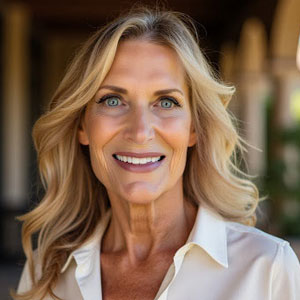
Kim Sorrelle is a best-selling author, leadership expert, and the Founder of Rays of Hope International, a nonprofit she started with her father in 2000 to support communities with medical supplies, orphan care, food, infrastructure, and disaster relief. She shares her message through The Kim Sorrelle Show, her book Love Is, and her 14-Week Love Challenge, and teaches that love is not just something people receive, but something they practice, embody, and become. Shaped by breast cancer, widowhood, and years of humanitarian work in Haiti, Kim inspires audiences to lead with kindness, courage, purpose, and love as a way of life.



Here’s a glimpse of what you’ll learn:
[5:02] Kim Sorrelle reflects on the breast cancer diagnosis that divided life into “before” and “after”
[8:09] The devastating medical journey that led to Kim’s husband’s pancreatic cancer diagnosis
[13:00] Kim’s six final weeks with her husband, hospice care, mercy, grief, and goodbye
[19:38] Why Kim asked “Why not me?” instead of “Why me?” during cancer and loss
[20:37] How the question “What would love do?” became a new way to live
[22:36 ] Walking away from business as usual and stepping into nonprofit work after loss
[23:54] What Haiti’s earthquake revealed about sorrow, shock, resilience, and survival
[28:56] The lesson people with almost nothing taught Kim about joy and quality of life
[30:00] Why love is not a transaction, a feeling, or a two-way street
[33:08] Kim’s definition of love that will shift your perspective
About the episode
Love is often treated as something to find, earn, receive, or protect. But when life strips away certainty, the meaning of love can become less about emotion and more about identity, action, and choice. What if love is not something we fall into, but something we learn to become?
Love becomes clearest when it is lived without expectation. Kim Sorrelle, an author, speaker, entrepreneur, and humanitarian, shares how breast cancer, the loss of her husband, and years of nonprofit work in Haiti reshaped her understanding of love. Rather than asking “Why me?” she learned to ask “Why not me?” and began exploring what it means to live by the question, “What would love do?” Kim explains that love is not a transaction, not a feeling that comes and goes, and not something we can control in another person. Her insight is simple but challenging: start with self-love, release expectations, remove labels, and choose kindness without expecting anything in return.
In this episode of Defining Moments, Melanie Warner sits down with Kim Sorrelle, best-selling author, leadership expert, and the Founder of Rays of Hope International, to discuss why everything we think we know about love may be wrong. Kim shares how grief changed her, what Haiti taught her about joy, and why love is not a two-way street. She also touches on leadership, self-love, and boundaries.
Resources mentioned in this episode:
Quotable Moments:
“The minute you expect something back for your love, it's not love anymore.”
“And so really, the best thing you can possibly do is make sure that's where you start is in loving yourself.”
“You control no one but you.”
“Love is 100% on you.”
“The joy is not found in the things that money has nothing to do with quality of life.”
Action Steps:
Ask “What would love do?” before reacting: This simple question can help you respond with intention instead of fear, grief, anger, or expectation.
Release the need for love to be returned: Letting go of transactions creates space for kindness, generosity, and healthier relationships.
Start by practicing self-love: Appreciating yourself with honesty and grace makes it easier to extend genuine love to others.
Remove labels from the people around you: Seeing people as individuals instead of categories helps reduce judgment and build deeper connection.
Lead with care in your work and relationships: Recognizing people’s humanity can improve trust, appreciation, retention, and overall connection.
Sponsor for this episode...
This episode is brought to you by Defining Moments Press, Inc.
We are a US-based publishing company helping aspiring authors around the world to write, publish, and promote a nonfiction book to elevate their brands, create a meaningful impact, and generate profit in eight weeks or less.
An example of how we help our clients is with Eric Alikpala. He went from earning $100K per year as a coach in his first quarter to doubling his income in Q2, and increasing his income tenfold by Q3 — growing him into a seven-figure author, speaker, coach, and consultant.
Do you have a message that could become a best-selling book and business asset? Defining Moments Press provides the strategy, structure, and coaching to help you get it done quickly and profitably.
Visit mydefiningmoments.com to schedule a strategy call and turn your expertise into a published book and a powerful platform.
If you want to leverage your expertise with a book, check out the 7-Figure Book MethodTM.
Powered by Rise25 Podcast Production Company
Transcript
Intro: 00:00
But it took a few days to get a diagnosis and the diagnosis was pancreatic cancer. And that's just not one you ever want to hear. And my husband was 6-foot-3 and 175 pounds. He never gained a pound in the time that we were married. He was healthy.
He was very active. He ate great. He was very aware of what he was eating, although he did think that donuts were the fifth food group. So there was that. But other than that, he was a pretty healthy eater.
And so they thought, you know, a year, you know, maybe longer, maybe you'll beat the odds and live longer than a year and yeah, but it was six weeks, six weeks later.
Melanie Warner: 00:42
Welcome to the Defining Moments podcast, where leaders, innovators, and everyday heroes share the moments that changed everything. These are the stories behind resilience, purpose, and legacy. Now let's dive into today's defining moment.
Melanie Warner: 00:58
Hi everyone. It's Melanie Warner here, founder of Defining Moments Press. Welcome to our Defining Moments podcast. So excited to have you here today. I have a very special guest and I can't wait to jump into it.
First of all, I want to tell you, most people think they understand love, right? We sing about it, we search for it. We spend our lives trying to find it. But what if everything we've thought and everything that we've been taught about love is completely wrong? What if love isn't something you actually get, something you receive, but more?
Something you become? Today's guest. She lost her health, her husband, her business, and the life that she thought she was building. And what she discovered about herself changed everything. So we're going to hear about her story in just a second.
I want to say a quick thank you to our sponsor for this show, Defining Moments, the show where we uncover the moment that changes everything. Not the highlight reel, Real. Not the fake book profile, not the success story, but the real moments that force us to question everything we thought we knew. And we host this podcast. I also have a TV show called Defining Moments that we're filming right now.
Season one is being edited as we speak, and this is where we chat with authors, experts, corporate leaders, high-level coaches, and people who are turning their expertise into best-selling books, premium brands, and powerful media platforms. This episode is brought to you by Defining Moments Press, a US-based publishing company, and we help experts around the world to write, publish, and promote nonfiction books, plus elevate their expertise, their brand, and create a meaningful impact in a matter of months, not years. Another example of how we did this was with a client named Nikki Smith. She wrote a book about abuse that was abuse in her family. She retired in her 60s.
She ended up writing her book, sharing her very private story, inspiring. So many people even got invited to do her own show and have her own TV show and radio show now, and realized that life was just beginning for her because she was brave enough and courageous, courageous enough to share a very vulnerable story with the world. So without further ado, I want to jump into today's episode and welcome our very special guest and friend, Kim Sorrelle. Thank you so much for being here, and welcome to the show.
Kim Sorrelle: 03:26
Yes. Well, thank you, Melanie, so much for having me. It's really a great show, and I know it's going to do great things for people. So thank you for letting me be a part of it.
Melanie Warner: 03:35
Oh, absolutely. Now, Kim, you and I have known each other. I'm trying to think how long. Probably at least a year or so. We met in a mastermind group and we became friends, and we started doing a couple of different projects.
I know, Kim, you went with us as a speaker to the United Nations not too long ago, and we've been involved. You went with us to Dubai, which was really fun. So we've kind of been able to travel and do some really cool things together. So I, I feel like I know you pretty well. And for the people that don't know Kim, I know there's a community of people out there that know and love you.
And for those of you who don't, Kim is an author. She's a speaker, she's an entrepreneur. She's a humanitarian. I think that's the best word to describe her. And she's spent her entire life serving other people.
She spent years in Haiti after one of the most difficult seasons of her life, and after battling breast cancer, losing her husband to pancreatic pancreatic cancer and watching her entire world crumble overnight, she began a quest to answer one question: what is love? And what she discovered became a book, a mission, and a movement. So, Kim, thank you again for being here. And I want to start with taking us back to 2008. What is that moment like?
You're diagnosed with breast cancer, right? What's happening with this moment? What's going through your head at that moment when you get that diagnosis?
Kim Sorrelle: 05:02
Yeah. Well, it's so interesting because it's like, it's like the moment that changes everything, right? We often have those moments in life that there's before that moment. And then after that moment and before that moment, life was pretty darn good. I started my first business when I was 18.
I had businesses, I had great business success. I coached volleyball, I coached basketball, I did everything with my husband. I worked with my husband. I coached with my husband and my kids. I had just moved out.
We just had become empty nesters and I went to get a physical and I love my doctor. She's so good. And she told me to get a mammogram and I'm like, oh my gosh, it's just a way for the medical system to get money. You know, that was my attitude. I was in my 40s and had no breast cancer in my family.
Like, why would I have breast cancer? It's silly for me to even have to go, but because I respect her, I went. And then the mammogram leads to an ultrasound that leads to a biopsy that led to a Friday afternoon phone call. And it was. I don't even remember what they said.
It was just Kim blah, blah, you have cancer, blah, blah, blah, you know, whatever. And I was shocked because I thought, there is no way I've known so many women who have gone through this path, right? The ultrasound done the biopsy, and it's negative and it's negative and it's negative. And I thought, I'm just going to be another one of those. And so to hear those words that nobody ever wants to hear, it was obviously just so life changing.
And I just, I just started crying. I mean, I didn't even know what to do. It was Friday afternoon. It's not like I could call the doctor back and ask questions or anything. I called my husband at work.
He was like, there in a flash. And if anybody's out there and wondering what to do at the moment, my husband did the most amazing thing that you can do. He just held me. He just held me. And we just held on to each other, and got through that moment and figured it out.
Melanie Warner: 07:10
That's beautiful. And I think that's good because there's so many people who delay getting that done. And some people, they don't get the mammogram because they're afraid of what they're going to find out. And other people think it's just going to be a waste of time because there's nothing there. And so, I mean, I know there's a lot of people that delay, like they put it off or they're worried about it.
And then like you said, I know so many people that have gone through that and everything's fine and they always kind of hold their breath. So getting that, that diagnosis for yourself, going through that process. And then you're, you're, you're in this space of trying to like, accept this. And I would imagine you're trying to pick what your options are, what you're going to do, how you're going to treat it. And through that, as you're going through your own battle of cancer, then you got some more devastating news.
Tell us about what happened next. Yeah.
Kim Sorrelle: 08:09
Well, shortly after, within a couple of weeks after I was diagnosed, my husband started having stomach issues and he went to the doctor and the doctor said, take some Rolaids. You're just nervous because of Kim, you know, whatever. And two months later, things weren't going any better for him. So he went back again and the doctor said the same thing. I'm sure it's just a nervous stomach.
Just take some Tums, Rolaids, whatever. But he did make an appointment for him to see a gastro specialist, but that was another two months away because the holidays were in there. For whatever reason, it was much longer than usual to get into a specialist and the day after his appointment, I was having a complete hysterectomy and a colonoscopy because of the kind of cancer, kind of breast cancer I had. And so if anyone's ever done a colonoscopy, you know, you don't leave your home that day. You don't go more than a few steps from your bathroom.
Melanie Warner: 09:03
Yeah, the prep is the worst part of that.
Kim Sorrelle: 09:06
It is the absolute worst part. The nap during and after is just fine. But yeah, the prep is horrible. So I couldn't go with him to the doctor. And I was the mouth.
I was the one that would be saying, run a test, do something. This poor guy, you know, we've been dealing with this for way too long. And so I'm waiting for him to come home. And finally he comes home. And the doctor wasn't in.
He saw a PA in the office and the PA told him to take some Rolaids. I'm like, oh, is that? He was devastated. I was devastated, but because I was having surgery the next day, there wasn't really anything we could do about it. And I had the surgery.
They found some bladder cancer. And so my recovery was a little different than normal. So a week later, I'm still in elastic pants, you know, elastic waisted pants and watching Grey's Anatomy reruns and, you know, whatever. Still recovering. And I woke up in the morning and my husband, who usually was up way before I was and he was still in bed and he said, guy, my stomach, I just I don't know what's going on.
And I said, that's it. Go to the E.R., you know, at least they'll run a test. They'll do something. They're not going to just send you away. So he drove himself to the emergency room, and my husband was a rule follower.
So in 2008, this is now 2009. Because it was September of 2008, I was diagnosed. It was January 9th. He followed the rules and it said no cell phones. So he turned his cell phone off.
And I'm just waiting and waiting and waiting for a phone call. And he finally called and he said, I guess we're going to keep me overnight. And I'm like, keep me overnight. They don't keep anybody overnight. And it was a Friday.
Like they're keeping him overnight on the weekend. What is this? So I put on real clothes and I hopped in my car and in my Vicodin induced state, drove like a mad woman to get to the hospital. And shortly before I was there, my phone rang again and he said, I guess there's a spot on my liver. And I'm like, spot on your liver.
I just started weeping and I parked my car and I ran in, holding all parts of me that were sore, and they told me where he was, and he was behind a curtain. And the tears are just streaming down my face and I am weeping. And. And I grabbed the curtain and I pulled it back. And he was sitting on the edge of the bed as if nothing was going on.
And he looked at me and he said, listen, I am not going to invite you out anymore if this is the way you're going to behave. And I said, listen, buddy, you are not allowed to be funny right now. And anyone that has ever gotten a diagnosis like this. It's not something that happens in 24 hours. It was a few days of running tests.
Biopsy, you know, the whole all the stuff.
Melanie Warner: 11:50
In the meantime, you're recovering from breast cancer and bladder cancer.
Kim Sorrelle: 11:54
Yeah, yeah, yeah. So, yeah, I actually ended up in the hospital when he was still in the hospital because I stayed in bed with him, but then I got a bad kidney infection. I mean, it was a whole thing, but, but it took a few days to get a diagnosis and the diagnosis was pancreatic cancer. And that's just not one you ever want to hear. And my husband was six foot three and £175.
He never gained a pound in the time that we were married. He was healthy. He was very active. He ate great. He was very aware of what he was eating, although he did think that donuts were the fifth food group.
So there was that. But other than that, he was a pretty healthy eater. And so they thought, you know, a year, you know, maybe longer, maybe you'll beat the odds and live longer than a year and yeah, but, but it was six weeks, six, six weeks later. Yeah.
Melanie Warner: 12:49
Six weeks. So he was diagnosed and they gave him a year and he passed away six weeks later. Oh my gosh, that is such a shock.
Kim Sorrelle: 13:00
Yeah. It really is, it is. But it was also such mercy because when we left the office, we just prayed, Lord, either heal him like it did the lame and the blind and the deaf, or take him to heaven. The ultimate or. But please don't let him suffer.
And we had a great six weeks together. We had hospice that was wonderful, that controlled any pain because it's a very painful cancer. He really didn't have pain. Everything was under control. We never had a piece of hospital equipment.
I mean, we're just living life. We're staying home together and watching Cash Cab and playing gin rummy and whatever. And he didn't suffer until the very end. He woke up. It was a Sunday morning, six weeks in and.
And he was in pain. And so I called the hospice nurse and she came running right over and, and she was giving him more morphine. And then she's on the phone in her bedroom. I'm holding him from behind. He's sitting on the edge of the bed because it hurts to lay down.
So I'm holding him from behind so he doesn't fall off the bed. And she's on the phone right in front of me, calling for hospital equipment and whatever. And, and I'm like, oh my gosh, you know, do I call my kids? And she's like, no, no, no, you've got plenty of time. You have weeks, if not months.
You know, you've got lots of time. And, but I could feel him. I mean, we've been married for almost 29 years and I knew him well, and I just could feel the agony that we prayed against. And. And there was just something in what I was feeling.
And I asked her again, do I call my kids? She's like, no, no, no. You've got lots of time, I promise. You have lots of time. But man, I didn't feel like there was lots of time.
And I just whispered in his ear. I said, baby, just go. And he never took another breath. That was it.
Melanie Warner: 15:02
Wow. I'm so sorry. I mean, who you really honored the vows in sickness and in health for? For each other. And I imagine that would have been so scary going through your own cancer journey, seeing how quickly he declined and passed away.
You know, and I have to say, like, what was going through your head emotionally during all of that?
Kim Sorrelle: 15:32
Well, I kind of put some of my stuff on hold. I knew that I had beat you. I like it. It wasn't ever a matter of oh, jeez. Because they've come so far with some cancers, they've come so far and there's all there's several kinds of breast cancer.
I had a really good one, if you're going to have one. And so I knew I was going to be fine. So there, there was that, I guess. And so I just kind of put some stuff on hold so I could just be with him so we could just be together. And so, you know, I wasn't thinking about what I was dealing with at all.
It was, it was all about what he was dealing with. And, and I'll tell you, there's something interesting that happens when you find out that your life is going to end soon. And they happened with my husband. He just had a peace about it. You know, the rest of us, we don't know, you know, we don't know if it's tomorrow, if it's six years from now, 100 years from now.
You know, who knows? You know. We don't know. But with him, he just had this piece. And there were times we had a great time.
There's no doubt we had a lot of fun together. But there were times that I would just start crying and he would just hold me. And then he'd say, don't cry for me. You're. You're the one that has to stay here.
Don't cry for me. And because, you know, I didn't want to think about losing him, that's for sure. And it was so quick. We never had the conversations. We never talked about, well, what do you want?
Or what's life going to be like without you? We never wanted to have those conversations and thought we had a lot more time to have those if we ever wanted them. So yeah.
Melanie Warner: 17:12
I, I've often, I just, I lost a good friend the other day to cancer. And there was this. It was her birthday a few days ago. So we had this big celebration of life where it was one of the most beautiful but brutal things I've ever done, because everybody knew she was getting to the end of life, but they wanted to celebrate her. And there were probably 120 people on that call just for hours going through how she impacted them, how much they loved her, how you know, and I think that often think the gift of cancer is knowing how much you're loved because you don't have a lot of time.
Some people have much more time than others to process that diagnosis and, and have, you know, that time to say their goodbyes. But I just thought, you know, and sometimes you think, is it worse to just die suddenly and not not get those chances to have those conversations? But everybody on that call was just in tears out of gratitude, of being able to tell this person how much they meant. And I'm sure it was overwhelming for her to receive, but it was so beautiful. And then she had her birthday and then passed away a few days later, two days after her birthday.
And so it was just kind of like to be able to say all those things. You think that if you know that you would want to say these things to people and like you, you didn't really get that chance because you always thought you had more time, you know? Was there a moment when you just realized that life is never going to be the same for you?
Kim Sorrelle: 18:54
Yeah. I mean, in that moment is when I realized that so many things, you can kind of imagine what they'd feel like, you know, you think, well, I've lost somebody before, you know, or whatever, whatever, you know, and you think, well, I can imagine what it's going to feel like. And so that was me. Like, I thought I was imagining what it could feel like, but it's always so different when it actually happens. And so yeah, in that moment, I knew that's it.
You know, like life will never be the same ever again. Yeah.
Melanie Warner: 19:28
And I think a lot of people in grief ask, why me? Or why did this happen? You know, like, why did this happen to your husband? Why is this happening to me? You know, what question were you asking at that time?
Kim Sorrelle: 19:38
Well, it's funny that you would say that because after I was diagnosed, people would say to me, Guy Kim, why you, you know, you do this, you do that, whatever. Why are you? And my response was always, well, why not me? Like, why would I be immune to it? You know, cancer is in the world and we have disease in the world.
It's just the truth. And so I don't think God is in heaven smiting people and saying, you stole that pack of gum when you were 12 years old. So when you're 47, I'm giving you breast cancer. You know, I don't. I don't think that's the way it operates. And so I, it was always more why, why not me?
When people would say, "why you?" Yeah. So I don't know that there was really a question. Maybe it's because I got asked that question as much as I did.
Melanie Warner: 20:30
And you said that also during this time you just became obsessed with understanding love. Why love?
Kim Sorrelle: 20:37
Well, you know, there was a movement a few years ago, people might remember the WWJD what would Jesus do, right? But Jesus is different to everybody. You know, to some he's God, he's light, love, all things good. To some he's a heretic, to some he's a prophet. You know, he's so everybody would answer that differently.
What would Jesus do? But I wanted to know that I was living a life honoring my husband because he honored me when he was here. He was such a great guy. And so I wanted to know I was living life right. And I got married when I was 18.
So this was my first foray into single adulthood. And so I wanted to know that I was doing it right. And so I always thought that WW, JD thing fell a little short. And love is universal. So if you instead say, what would love do then act on it live that way then that you'd be living right.
You'd be doing this life. Right. And so that's why, that's why I.
Melanie Warner: 21:44
I love that I never thought about that, but you're right, because people interpret it, interpret like I often say, like religion is man made. And sometimes it's what comes between people in God and what they call God, you know, and, and people can interpret it, interpret. I always think, what would Jesus do? Because he never got stuck in carpool, in traffic with PMS and hormones, you know, like, what would he do? So it's so funny, but you're right, because love is really the answer to solve everything that's going on in, in relationships, in health, in the world.
Like it just brings such peace. And you explored this, you kind of went deeper into this, this question about what is love really and why love? And I know eventually you ended up walking away from a business that you spent years building. Why would you choose to do that?
Kim Sorrelle: 22:36
Well, I had a son who came over right after my husband was diagnosed and said, I'll take care of everything at work, don't worry about it. And so he did that. And so when I was physically able to go back to work, it was the end of 2009. My husband died in March, and then I got through my stuff and I was able to go back to work, but I didn't know what that was going to look like for me. And I kind of wanted to take it slow because I wanted to figure out what life in general was going to look like.
And so I happened to run into a guy that was running a nonprofit that my father and I had started ten years before then. And I said, hey, do you need any help with anything? You know? What about bookkeeping? And
And he's like, oh yeah, if you could do the books, that'd be great. So January 1st of that year, I became a part time bookkeeper for a nonprofit. And then 12 days later, there was an earthquake in Haiti that killed over 200,000 people. So within two weeks, I was in Haiti and then spent at least some of every month in Haiti for the next several years.
Melanie Warner: 23:43
Wow. So you're basically two weeks into this nonprofit role. Haiti gets hit by this devastating earthquake. You go to Haiti. What did you see when you arrived that you will never forget?
Kim Sorrelle: 23:54
Oh my gosh. Sorrow. Shock. It's as if everyone's breath was taken away. If you think about the magnitude of it, that number of people.
And that's not country wide. You know, that's in the area where the earthquake happened, right? And so to lose that many people, everybody lost somebody in their family. You know, everybody that I saw had a family member die, had friends die. And so even two weeks after two weeks isn't that long.
And there's aftershocks and, and there's still unburying people and they're still finding people alive under rubble that have been there for two weeks. And to think of what, 27 seconds or however long it was, it's not like it's that long, the damage that it could do, but there were most roads you couldn't get down because there was rubble in the roads, because buildings fell down and there was so many buildings that fell down, very few buildings still stood. I mean, it was devastation beyond imagination. It was tough, but it was the people that I just will never forget how hard it was. But yeah, how resilient at the same time, how everybody just kind of band together and looked out for each other.
And so, and how welcoming they were for some help because what do you do? I mean, I don't think anybody wrote a book on what do you do if you lose family and friends and your house and your job and everything?
Melanie Warner: 25:45
Your whole life is gone in 27 seconds. Wow. Never thought about it like that. But that's true. How did the people of Haiti change you?
Kim Sorrelle: 25:55
Well, you know, I've been to Haiti several times before, and the first time I was in Haiti ever was several years before this. And I swore I'd never go back again. Haiti is the toughest place I've ever been, the toughest place I've ever worked. I've been to a lot of developing nations. I've been in the nonprofit world since the mid 90s, so I've been to a lot of places.
And this Haiti is the toughest. It's just it just is. And I was stuck in this area called City Soleil. It's like one of the worst slums in the world. And I was stuck there.
I went in for a meeting and I had no way out. All of a sudden, I had no transportation. I didn't know where to go. I didn't know where I was. It was my first time in Haiti, and there's sewage running down the road and the stench was terrible. And there're people not just with no shoes, but there're people with no clothes.
And there's the poverty that was just so thick in the air, like you, you were breathing poverty. And I thought, man, you know, I'll go anywhere you send me, but please don't ever send me back to Haiti, and I was home for about two weeks. And then when I can't wait to get back to Haiti, I can't wait to go back and see what I can do. So yeah, people and people are people all over the world. You know, it's one thing you learn when you travel, right?
I mean, we're all people. We're all people with names. All individuals have a mom and, you know, whatever friends and family and, and we live with the people in Haiti. That I think that's what is different about the people in Haiti is how they're able to get by. Sometimes people think that if you live in poverty, it's because you're lazy.
That's why laziness has absolutely nothing to do with it. There's a lack of opportunity. It's 75, 80% unemployment. I mean, where are the jobs? They're not jobs.
We've done a lot in our world and have done a lot to damage Haiti. Our country has done a lot to damage Haiti And in insisting that, yes, we'll help you with some aid, but then you have to hire us workers. To do that, you have to import food that you use. You used to grow and the farmers would sell a bunch of farmers out of work in Haiti because we need this company to make money on their rice. So now you have to import 80% of your rice and things like that that we do to people . I don't know why we do these things to people because we're certainly not thinking about people when we're doing that.
So but people in Haiti, I mean, it's about survival. It's their day to day survival for the majority of the people that live in the country.
Melanie Warner: 28:50
So what did people who have almost nothing teach you about life?
Kim Sorrelle: 28:56
That joy is not found in the things that money has nothing to do with quality of life. You know, it's often we think, well, shoot, if we had money, we could live in a bigger house, we could drive a better car, we could go on better vacations and stay in better places. And, our quality of life is just going to be so much better. But quality of life is about the people in your world. And you can have all those things and not have a friend in the world, and your quality of life stinks, but you can have tons of money and still have a horrible quality of life, and you can have nothing and have a great quality of life.
Melanie Warner: 29:39
I love that. And you know, you went on to write a book about love. Love Is. I have a copy right here. And, and it's based on it says a year long experiment of living out first Corinthians 13.
Love. So you say that in the book that love is not a transaction. What do you mean by that?
Kim Sorrelle: 30:00
Yeah. Well, it's interesting. I mean, that was part of my whole journey, right, as I dedicated a year to figuring out the real meaning of love and just happened to be in Haiti most of the time, I was working on it. And, I did use the first Corinthians 13. Love is patient.
Love is kind, does not envy, does not boast, takes one word or phrase each month to figure it out. And, and that's one thing that I figured out is there's so many things about love done in the name of love demonstrated. Shown in the name of love called love that has nothing to do with love. And yeah, love is not a transaction. You know, if I give you money and you give me a pair of jeans, that's a transaction, right?
Love is not that love. Love is 100% on you. It's 100% on you. The minute you expect something back for your love, it's not love anymore. It might.
It might be kind, it might be whatever. But. But it's no longer love.
Melanie Warner: 30:57
Yeah. Like a lot of people, they love someone because they make them feel good. Right. Which is still kind of selfish when you think about it. And I remember my grandmother when I was younger telling me about, you know, that Bible verse.
And she always said to me, when you grow up and you become, you know, become an adult and you look for the love of your life. If you can take that Bible verse, love is patient, love is kind, and you can replace it with the person's name. That's your person. Like if that, if that describes the person that you want to be with, like that's a good person for you to marry, that's a good person for you to be with. And I never forgot that.
I thought that was really interesting because you can apply that as a trait for people as well.
Kim Sorrelle: 31:40
Yeah, yeah. And I've heard people say to replace love with I am, I am kind, I am patient and, and can you do that? Can you say all those things about yourself too?
Melanie Warner: 31:53
What's the biggest lie we've been taught about love?
Kim Sorrelle: 31:58
I think that's a huge one that loves a two way street. That you give love to get love. Yeah, I think that's a giant one. It says that we have some control over people and we don't, you know, you have a baby, you bring a baby home from the hospital and you control everything. You're in total control.
You decide when the baby eats, when the baby has a bath, when the baby takes a nap. But then six, seven, eight months later, your Tupperware is all over the kitchen floor. Pots and pans are banging. You realize you've lost control and you never get it back again. Because you control no one.
You control no one but you. So the minute you think that you control somebody and you can control how love comes back to you, you're setting yourself up for failure. You're setting yourself up for heartache, loneliness, because you don't control it. Love is special and magical in a way that most of the time when you do love, it does come back to you, but quite often not the way you expect it to. So love is not a two way street.
It is 100% on you.
Melanie Warner: 33:02
That's a good point. So if 12 people define love differently in different ways, what's your definition?
Kim Sorrelle: 33:08
Well, my definition of love is this love. We quite often think of it as an emotion or a feeling, something that we can fall into and out of. Right. I mean, it's used that way. But, you know, I think about like, if I watch a scary movie, I don't know, Melanie, if this happens to you, but if I watch a scary movie when I go to bed that night, I hear every creak, every bang, every bump, right?
I'm so afraid I'm hiding under the covers. But the next night I'm better. And that's fear. Fear is a feeling and emotion. It comes and it goes.
Love does not come and go. Love is not a feeling or an emotion. Love is who you are. Love is what you're striving to become. And so how you love, how you live.
Love is totally up to you.
Melanie Warner: 33:57
How would our relationships change if we all understood that?
Kim Sorrelle: 34:01
Oh my word, in every way. I mean, the minute you drop the whole expectation thing, you know, when I when I got to love is kind. That's what I figured out about love. That is kind because we're kind. You're kind.
Everyone's kind. Right? You say kind things, you do kind things. Open a door for somebody, you know, whatever. Bring a casserole over when they're sick.
But whatever. I mean, we show kindness. But love that is kind is doing kind things, being kind only because that's what love is with zero expectation of getting anything in return. And I don't know about you, but I've probably been guilty of it going, wow, they didn't even say thank you, you know, or I went to their daughter's wedding. Why aren't they at my daughter's wedding?
Melanie Warner: 34:43
I see you doing that a lot. I notice you doing little kind things for people that they don't expect they didn't ask for. And I see you doing that. I see you living that example a lot when I'm around you, and I've noticed that about you. It's a very beautiful thing to watch because it's just like you said, it's just part of who you are.
There's no agenda. It's just a natural part of who you are. And, and I think Tony Robbins also said, when you change the word expectation to appreciation, it changes your entire dynamic of the relationship.
Kim Sorrelle: 35:16
I love that. Yeah. So true. That's so how.
Melanie Warner: 35:19
I mean, think of how our businesses would change if we just learned to really, truly love the people that we work with. Instead of getting so caught up in the office politics and the drama and the, the toxicity and all that kind of stuff. Like how would leadership change? How would businesses change if we just added more love into that mix?
Kim Sorrelle: 35:38
Yeah, absolutely. And then led that way, right. LED with your heart led people first. And instead of they're the accountant, they're Lisa, you know, whatever, like recognizing that there are people that also have a life outside of work that sometimes they are affected by and people go through stuff and to be sensitive to that kind of stuff and, and be caring for the people that you work with, I think is it does change everything, including retention rate, including how people feel appreciated, including the bottom line, everything changes for the better when you lead that way.
Melanie Warner: 36:15
So what's one thing if people are listening, right? Are they watching or listening to this? What's one thing that people are doing today that they think is love but actually isn't?
Kim Sorrelle: 36:28
That's a good question. That's a good question. I mean, I think the expectations, I think that's a big part of it. I think one thing that people do is they'll say, I love everybody. I just think you should honestly, like I love everybody and not judge people, It's the freest way to live.
It's the greatest way to live. And I just think, I love everybody. Just love everybody. And so people will say, well, I do, I love everybody, but those darn Democrats or those Republicans, right? Well, then you don't love everybody.
One thing that we do often, way too often is we put labels on people and, and then make assumptions because of the label we put on them. And instead of Kim and Melanie, it's Democrat. It's, you know, you belong to this club, this sorority, this group, this. Well, you might be a member of something, but that's not who you are. That's not who the person is.
So tearing those labels down and instead looking at the individual and appreciating the incredible beauty of all of us being so individual. And even though we're 99.9%, our makeup is exactly the same. That 0.1% that colors our eyes and our hair and decides how tall we are and whatever is unique to.
Everybody. And it's.
It's so special that each person has value. Each person has something wonderful to offer and just get to know people and take the labels away.
Melanie Warner: 38:06
I love that. And you know, it's, it's so cool to how, you know, there are, there are people that if you really break it down, like how I think some people define love and you think of the love languages, right? Like that was a big thing. Like that was a big moment for me reading that book by John Gray. I think it was John Gray.
No, I can't remember who wrote that book, The 5 Love Languages, right?
Kim Sorrelle: 38:30
Yeah, yeah, yeah.
Melanie Warner: 38:33
Right, right. And, and, and it was like, it helped me recognize how I felt loved because my whole life I struggled with it, I didn't feel loved. And it was like my parents, I know they love me. They just didn't say it very much when I was growing up. And it wasn't until I became an adult that I realized I needed to hear it.
Like words of affirmation became a love language. So when I understood what made me feel loved, it was easier for me to communicate that to other people. And so what's interesting about that book is that it opened up. It created an awareness in me to communicate better to where I became better because I understood that. And then there was a whole other side of it, of this is how you feel love and receive love, but then there's things you do to express love.
And I find that some people, they get blocked in their relationships because they're like, well, I'm doing all this for this person because that's how they feel loved, but the person doesn't want all of that stuff. Like people like to give gifts and then other people are like, I don't, I feel guilty receiving this, you know, that's not how I feel loved, but it's how someone, it's their love language to give a gift, you know, and there's so many people that are so good at doing things for other people, but they can't receive somebody doing something for them. And sometimes the greatest gift you can give someone else is to allow them to serve you and love you and support you. And so it's really interesting to think of all these dynamics of love and relationships. And I just, I love learning more about love because I think it's, it's the thing that makes everything go around in the world.
So I love that you have a book that you love. So tell us more about how that book came about. And if people want to get a copy of it, like how can they get in touch with you and all that good stuff?
Kim Sorrelle: 40:24
Yeah, yeah. Well, you know, it came about because I decided to do this and I didn't go into it thinking, I'm writing a book. I went into it thinking, I'm doing this for me, I'm going to do this for me. And then as I got into it, I'm like, this would be a good book, I think. But then I thought, well, if I never get it published, I still think this is for me.
Like I learned so much. Like it changed my life, rocked my world. And I met a couple publishers at a writers conference and two different publishers, two different acquisitions editors and, and both of them wanted to publish the book. So I thought, well, maybe there's something to this. Well, it's kind of nice, you know, whatever.
And so it's available on Amazon. It's in some bookstores everywhere. You can buy books online and some brick and mortar. You can find the book. And yeah, in my last name, I have way too many letters.
Melanie in my last name, two hours, two E's, two L's. So I am literally the only Kim spelled my way in the entire world because it's SORRELLE. So many letters. And so I'm that's my website and I have a 14-Week Love Challenge on there. That is just a quick little something that comes in your inbox on a Monday morning.
And, and just something to kind of think about for the week. And it's the 14 different ISS and is ants of love.
Melanie Warner: 41:56
I love that I love that because what you focus on expands, right? So if you're focused on what's going wrong, you're going to get more of what's not working. And if you're focusing on love, and then you're expanding that love and having that daily email for that challenge, I think would be so fun. I could see so many people, especially people that feel disconnected from the world, they feel emotionally unavailable. Maybe they've gone through grief, maybe they've gone through a breakup, they're restarting life.
They've had loss like you did, of losing a husband or a spouse or a partner. And this is just a way to open up in a safe way for that little piece of them. And I remember when I lost my son, I remember consciously saying, I am never going to love anybody again because it hurts too much. You know, I remember the moment that I shut down and, and it and it just felt like out of protection, you know, and I think there's so many people that have been through so much hurt out there that they put their guard up. And that hurt only brings more hurt.
So I think this is absolutely the cure. So I love that you have this book, we love, love and you have this challenge. So how can people sign up for the challenge if they want to do this with you?
Kim Sorrelle: 43:19
Yeah, well, it's right on my website dot com and, and just go on my website. It's free and you can just sign up for it. Just kind of look at the bars on the side and click.
Melanie Warner: 43:32
Yeah, that's so perfect.
Kim Sorrelle: 43:33
You know? Yeah.
Melanie Warner: 43:34
What a great gift. Thank you so much for being here, for sharing this. I have a few more questions. If somebody listening wants to become more loving, right. Where do they start tomorrow morning?
What's the first step?
Kim Sorrelle: 43:46
I think the first step is really, first of all, understanding what love is and then cutting yourself some slack. I mean, if you love yourself, there's been this misunderstanding over the years of what does it mean self love? You know, what does that mean? It's kind of gotten a bad rap. Like it's selfish.
And the truth of it is, the most selfless thing you can do is to love yourself. Because when you do, when you appreciate you for who you are, when you can look in the mirror and go, man, I love you. Like I'm happy to be me and really love yourself, flaws and all, then you can really love other people. Then the things that you can see in yourself and can appreciate you can appreciate other qualities about other people. And so really the best thing you can possibly do is make sure that's where you start in loving yourself.
Melanie Warner: 44:41
Oh that's perfect. So let's say 20 years from now, if the world truly understood love under these terms, what would be different?
Kim Sorrelle: 44:51
There would be no war there. People would be fed, people would be helped. We'd probably put an end to poverty as we know it today. Everyone would have clean water. Like everything would shift in such a positive way for humanity.
And when something shifts for one person, it shifts for all of us. And, you know, sometimes I think people think, well, there's like a limited amount of money or there's a limited supply. So hang on to what you got or make sure you're one of the 1% or the 10% or whatever it happens to be. There's not, there's, there's no limits. There's, it's not like if somebody else has more, that means you're going to have less.
That's not how it works. So if we could instead look at money and our resources as energy that we can help people with. Yeah, that's what love does. I mean, you look out for humanity.
Melanie Warner: 45:50
Oh, I love that. And it's so true because when I, when I think about this, this mystery guest, by the way, where as we're kind of wrapping up this episode, I always love to bring in a mystery guest. And I, this is like the most perfect person to talk about right now as our mystery guest with you. And this woman, before she became one of the most recognized humanitarians in history, before she won the Nobel Peace Prize, she was a teacher. She was living a relatively ordinary life.
And then one day she was riding on a train, and she experienced what she later called a call within a call, a deeper calling. I call it a defining moment. It was a voice that challenged her to leave behind safety, certainty and comfort. And she was from a wealthy family, but even kind of turned away from that to become a teacher. And it was more about not changing who she was, but it wasn't about even calling her to do something big, like building organizations or becoming famous.
It was simply to love. And at first there was no money, no infrastructure, no plan, only conviction. And when she tried to get funding, she went into banks and they said, how much money do you have to build this whole organization, a nonprofit thing you want to do with love? And she goes, I have $0.03. And they laughed her out of the bank.
And she was fierce. And she said, with $0.03 in God, I can do anything. And she walked into the slums of the poorest of the poorest areas in the world, with little more than faith and a willingness to serve people who questioned her. Her family criticized her. People ignored her.
People were trying to be verbally, even physically abusive to her. But she kept showing up one person at a time. One child, one dying person on the street, one act of love. And eventually those small acts became an entire movement. But what made her so extraordinary wasn't that what she built?
It was how she saw people. Because she once said, if you judge people, then you have no time to love them. And it takes the same amount of time to love them as it does to judge them. And that's maybe the reason that her impact was so profound because she understood something most of us miss. Love is not something we feel.
Love is something we've been talking about here today. And this woman went on to build a $100 million Organization. She wrote over 30 books. She is the foundation for corporate policy today, and this is the defining moment of Mother Teresa. And most people don't realize this, but Mother Teresa said, you can fire a volunteer.
And she said, if you hire somebody and within 90 days, they don't have absolute joy for what they do. She says, cut them loose, right? Here's a saint with these boundaries, even around loving people to say, you're building this organization. The corporate 90 day policies that we have today came from that from her organization, which most people don't realize. Right.
So, Kim, if you look at how Mother Teresa spent her life serving people, and often they were people that the world overlooked. When you hear her story, how close is that to what you discovered in Haiti?
Kim Sorrelle: 49:27
Oh, my. Well, Mother Teresa's order is in Haiti. The Sisters of Charity do a couple of things in Haiti that I just love. And I'm a huge fan of Mother Teresa. And so you see her stamp all over the place in Haiti and everything that you said is just so true and so right on.
And absolutely, if somebody's in the wrong position, you're doing them a favor by letting them go. And, you know, if there's somebody toxic in your life, love would say, let them go, walk away. Because then you give them room to change. You give them the opportunity to grow and change. If you stay, they're going to just stay in the same toxic pattern.
And so, you know, we get love kind of mixed up that way. But yes, I'm absolutely Mother Teresa is definitely someone to look to, to try to be like, to understand where she came from and, and where she went and what she did. She did so much to help our world.
Melanie Warner: 50:29
I love her and I love that she was able to bring love into leadership. How she wrote 30 books. People don't realize how she used books to build her movement and her mission as well. And I often say my little mantra is just love God and love other people, and everything else takes care of itself. And you know, for all of you, thank you so much for listening.
Kim, thank you for being here. You're amazing. I love you and I'm so proud of you. And I love what you're doing. This movement that you're taking and running with and you're, you literally are living example of love.
Like you demonstrate it, you show it, you live it, you breathe it. And I just want to thank you for taking the time to be here today and share your love and your life mission with all of us as well.
Kim Sorrelle: 51:13
Well, thank you so much for the incredible opportunity. And it is about defining moments.
Melanie Warner: 51:19
Oh, thank you so much. And if today's conversation challenged the way you think about love. Then don't just listen to it. Practice it. Take the challenge.
Get the book. Start using it today. These are tools that aren't very expensive. You. It doesn't cost you anything to give love to somebody else, because maybe the most important thing will ever become love itself.
So I encourage you guys to click the links below. If you haven't subscribed to our podcast, please subscribe so that you'll get notice when it comes. We found that half of you haven't subscribed. Even though we have. We're growing our following.
We want to be able to do more interviews like this and serve you in such a bigger way, and hope that today really inspired you to love better and live better. So again, thank you so much for being here. Thank you Kim, and we can't wait to see you guys next time. So take care everyone. Bye.
Meet the Host
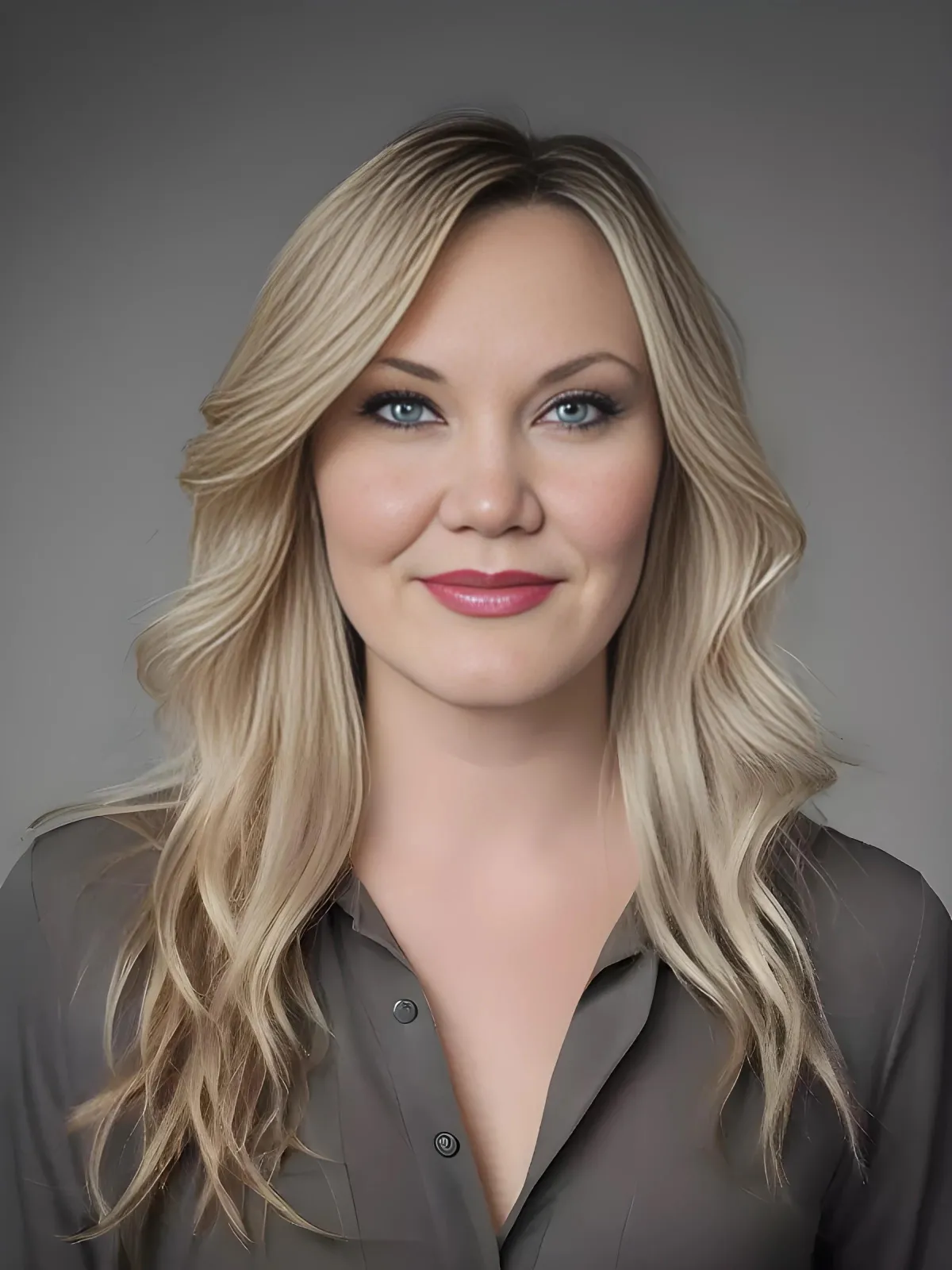
Melanie Warner
Melanie Warner is the host of [Defining Moments where she chats with established experts, corporate leaders, and high-level coaches who are turning their expertise into best-selling books, premium brands, and powerful media platforms. As a media veteran for 4 decades, Melanie walks guests through their own Defining Moments.